Politics & Government
Seattle Taxes The Rich: Council Approves Income Tax
The Seattle income tax - the first in the state in modern history - would charge a 2.25% tax on incomes greater than $250,000.


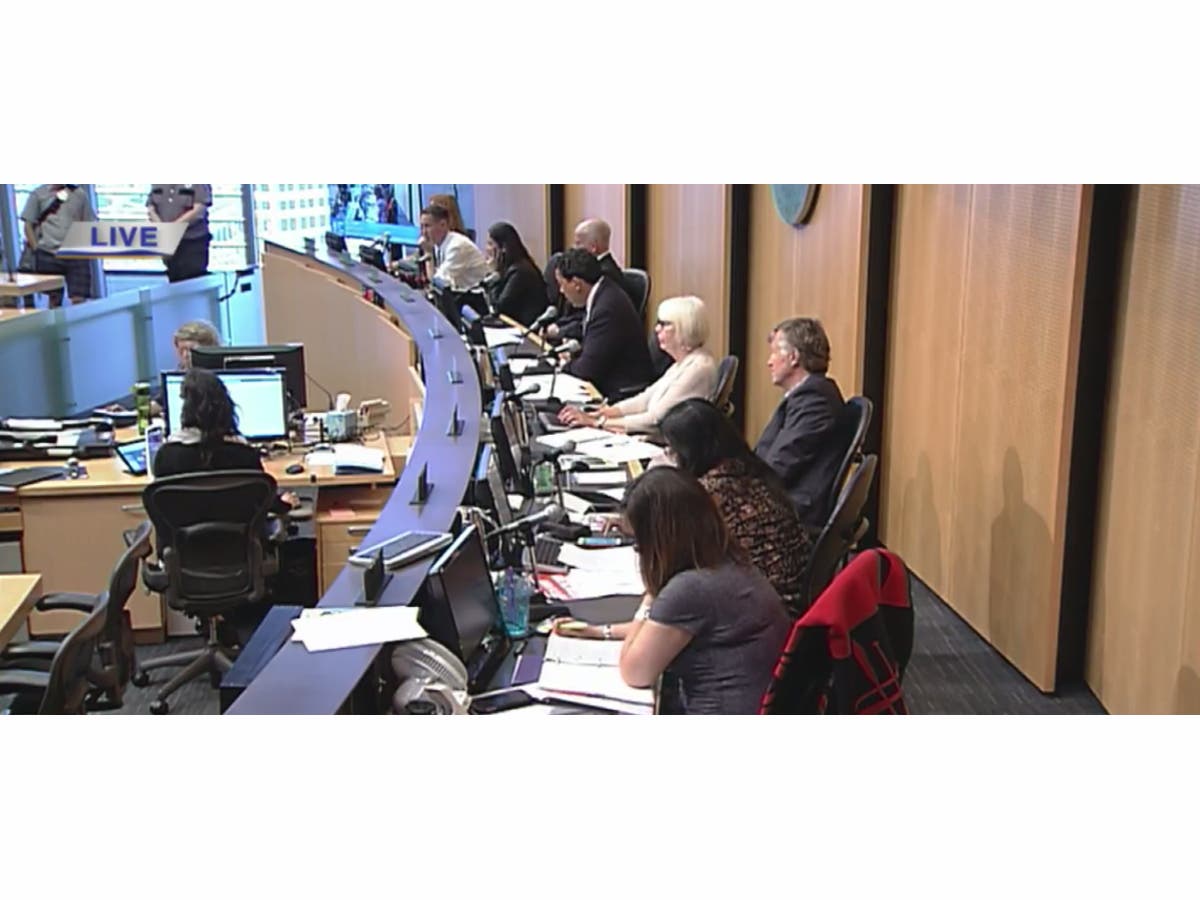
SEATTLE, WA - The Seattle City Council on Monday unanimously approved an income tax for "high-earners." The 2.25 percent income tax would apply to individuals earning $250,000 or more, or households earning $500,000 or more. The income tax is set to take effect in 2018, but it likely won't take effect next year - if ever - because opponents are planning to challenge the law in court.
The city estimates the tax would bring in about $140 million per year. That money would be used for a number of programs: possibly lowering property and sales taxes; beefing-up funding for Medicaid should it be cut by the federal government; paying for carbon footprint reduction; and a variety of other programs providing transit services, affordable housing, and help for the homeless.
The court challenge is likely because income tax is technically illegal in Washington state. The state Constitution deems that property must be taxed at the same rate, and a 1930s Supreme Court decision ruled that income is property - that makes it hard for a city to tax only some income. There's also a state law that prohibits cities and counties from taxing income.
Find out what's happening in Seattlefor free with the latest updates from Patch.
A legal challenge might be exactly what income-tax proponents are hoping for, however. If a court case involving Seattle's income tax can change Supreme Court precedent or state law, it could open the door for more cities, or the state, to install income taxes. Seattle Mayor Ed Murray has said that he wanted the Council to pass an income tax this year so the city could confront legal challenges as soon as possible.
There was opposition to the tax already lined up on Monday. The state Republican Party started an online petition, NotMyTax.com, to gather support to stop what it perceives as an effort to install a statewide income tax. The Republicans call the tax a "disaster." State voters have rejected a statewide income tax in the past - most recently in 2010 with Initiative 1098. Dozens spoke in favor of the tax on Monday at the Council meeting (the Council meeting room was packed), but only one person spoke against the tax, and he appeared to liken the income tax to sexual assault.
Find out what's happening in Seattlefor free with the latest updates from Patch.
Proponents say that the Seattle income tax will make taxation more progressive in Seattle. Property taxes are becoming unaffordable for some homeowners - not only because of new property tax levies, but also because taxable property values are increasing rapidly. But a bigger issue for proponents is the sales tax. Washington's sales tax-based system has been called the most "regressive" in the U.S. because low-income people pay a larger share of their income in sales tax than richer people.
The Institution On Taxation & Economic Policy found that low-income families pay about 16 percent of annual earnings toward taxes, while those who earn over $500,000 pay just 2.4 percent of annual earnings.
"This is a big step forward in Seattle, but hopefully a big step forward for our state," Councilwoman Lisa Herbold said.
The tax has also been framed as a way to "Trump-proof" Seattle. With the additional income, Seattle would be able to afford to ignore any fiscal penalties doled out at the federal level - for example, taking away law enforcement grants from sanctuary cities.
Before the Council approved the income tax, Councilwoman Lorena Gonzalez introduced an amendment to use some of the revenue to study how to, in addition to sales and property tax, lower business and operating taxes. That amendment passed 6-3.
With all Council members present, the income tax bill passed 9-0.
You can watch today's proceedings here:
Image via Seattle City Council
Get more local news delivered straight to your inbox. Sign up for free Patch newsletters and alerts.