Politics & Government
WA Files Restraining Order To Stop Feds From Revoking Visas
If the restraining order is granted, the Trump administration would have to halt its plan to revoke visas from international students.


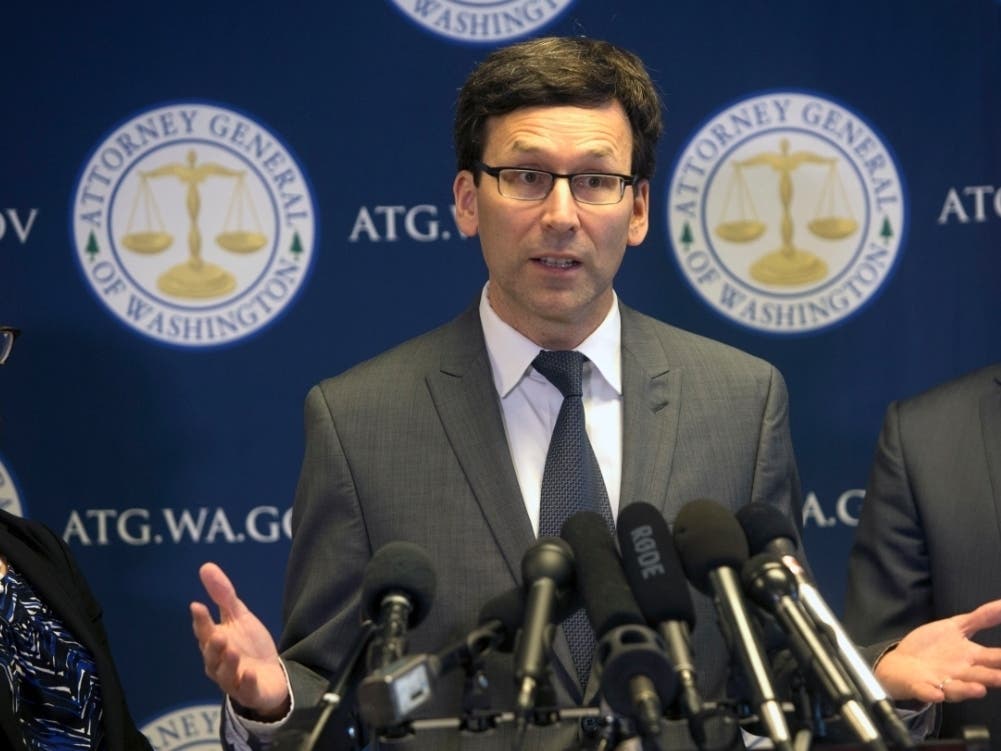
SEATTLE, WA — Washington State Attorney General Bob Ferguson has filed a restraining order asking a judge to halt the Trump administration's plans to revoke international student visas.
Earlier this month, President Donald Trump's administration announced a plan that would cancel student visas for international students if their colleges or universities do not return to in-person learning this fall. If that plan is not halted, it will go into effect beginning Wednesday, meaning schools have just days to determine whether they will reopen in the fall or risk losing their entire crop of international students. Architects of the proposal say it is an attempt to “encourage schools to reopen.”
The move has been met with widespread criticism from higher education officials across the country. On Friday, the Washington state attorney general's office filed a lawsuit aiming to kill the plan outright. The latest restraining order filing would put the rule on hold until the lawsuit determines if the visa revoking plan is illegal, as Ferguson claims it is.
Find out what's happening in Seattlefor free with the latest updates from Patch.
Either way, the restraining order decision will be down to the wire: Ferguson's office says it is seeking a hearing on the order Wednesday, the same day the Trump administration's rule would go into effect.
Ferguson and other opponents of the rule says it is unsafe to try to ply schools into hastily reopening, and unfair to international students. However, there's also a large financial concern for Washington: The state has an estimated 27,000 international students in higher education who bring in roughly $1 billion each year.
Find out what's happening in Seattlefor free with the latest updates from Patch.
"This rule will significantly hurt their students, their budgets, and the health of their communities," Ferguson said. “The Trump administration is undermining public safety decisions made at the local level and jeopardizing more than a billion dollars in tuition revenue and economic activity in order to pursue a political goal of keeping schools open in the fall. We’re seeking to immediately halt this unlawful action.”
Many of Washington's colleges and universities have already suffered hundreds of millions in losses amid the pandemic and say this rule likely will cause them to suffer more. The University of Washington estimates it has lost $440 million to the pandemic, but the loss of its 8,300 international students would cost the school an additional $185 million in revenue. Meanwhile, the state's community college board represents around 13,000 students on F-1 visas who contribute more than $100 million each year to their schools.
Ferguson's lawsuit is the 65th his office has filed against the Trump administration. Of those, Washington state has won 29. Another 35 are still awaiting a ruling, and the last remaining case is being appealed.
Another reason Washington has opposed the visa revoking plan is that it may have been unnecessary in the first place. Many of Washington's colleges and universities had been planning to reopen in person in some capacity before the Trump administration announced the rule.
Last month, the state issued safety guidelines to help higher education classes return this fall. Under their guidance, in-person instruction can return if:
- Students and staff wear masks or facial coverings.
- Class sizes and large gatherings are limited to allow for physical distancing.
- The number of visitors on campus are limited.
- Contact tracers are allowed to isolate or quarantine students who may have been exposed to the virus.
If schools are unable meet those requirements, the state says they should remain teaching remotely, or risk a major outbreak — one of which is still playing out right now in Seattle. As of Friday, 131 students living in University of Washington fraternity houses have caught the coronavirus.
Meanwhile, Washington's K-12 schools are also planning on reopening if they can meet similar guidelines, but they will be allowed to continue remotely if they cannot.
Related stories:
Get more local news delivered straight to your inbox. Sign up for free Patch newsletters and alerts.