Politics & Government
Wash. Lawmakers Go To Supreme Court To Keep Records Secret
Should state lawmakers be subject to the Public Records Act? The state Supreme Court will decide.


OLYMPIA, WA — You might remember in late February 2018 when state lawmakers raced to pass a law to exempt themselves from the Washington Public Records Act (PRA). That effort failed after massive public outcry, but now the issue is before the state Supreme Court.
A Supreme Court hearing held Tuesday afternoon is the latest battle in a legal fight between the Legislature and some of the state's biggest media outlets, which have sued to get lawmakers to comply with the state's open records act.
Here's a look at what has happened so far:
Find out what's happening in Seattlefor free with the latest updates from Patch.
In late 2017, a group of news outlets, including the Associated Press, the Seattle Times, and the Northwest News Network, sued the Legislature after lawmakers refused to release records related to budget deliberations. In January 2018, a Thurston County judge largely ruled in favor of the media outlets.
Each lawmaker's office, Judge Christopher Lanese ruled, counts as a state "agency," and is therefore subject to the Public Records Act. That means your local state senator or representative would have to turn over records under the PRA, just like your mayor, city council, or any local government office.
Find out what's happening in Seattlefor free with the latest updates from Patch.
The state Legislature appealed Lanese's ruling, and that's how the matter ended up in front of the Supreme Court.
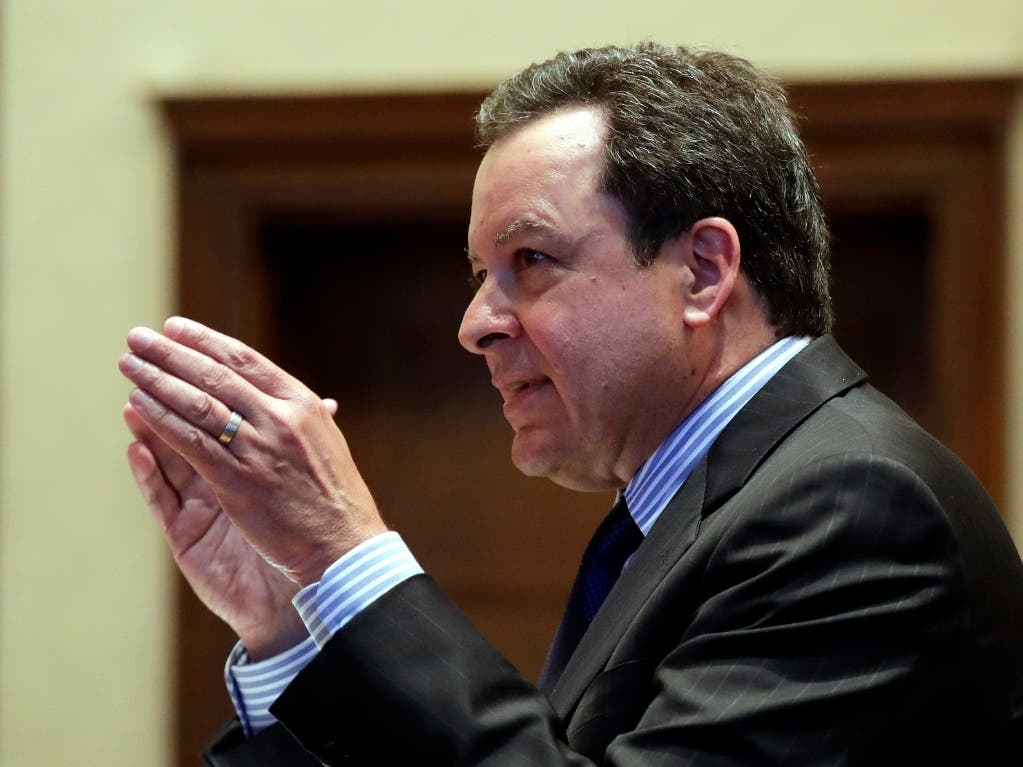
On Tuesday, Paul J. Lawrence, an attorney for the state lawmakers, said the Legislature can't be considered a "state agency" as defined by the PRA. Lawrence pointed to the state Constitution, which deems the Legislature a separate branch of government that "creates" state agencies.
Michele Earl-Hubbard, arguing on behalf of media outlets, said that the Legislature has never explicitly passed a law to exempt itself from the PRA — and when it has tried to do so, it has failed, like in February 2018.
"When [lawmakers] lean to remove themselves from public accountability, they're telling us that's what they're doing," Earl-Hubbard said on Tuesday, referring to two failed efforts in 2018 and 2019 to exempt lawmakers from the PRA.
Oral arguments on Tuesday went quickly, with the entire hearing lasting about 45 minutes. Whatever the Supreme Court rules will be final because there's no higher court to appeal to.
What is the PRA?
The Washington Public Records Act was passed by voters in the early 1970s and gives citizens free access to public records. Under the law, you can ask local and state government offices for just about any document (with key exceptions, like health information, or financial records).
Many of the Legislature's records are already public by default, like laws that have been passed. But there are many records the Legislature keeps secret. For example, internal investigations into corruption or misconduct, or emails with lobbyists.
The lawsuit filed by the media outlets was born when reporters were denied access to records kept by state lawmakers. The outlets had requested "calendars or schedules for specified times and their text messages received or sent by them for a specified time related to their legislative duties" during budget deliberations revolving around the McCleary education funding matter in 2017.
Reporters had also sought five years of "complaints made against lawmakers ... reports on all legislative investigations made within that same time frame of inappropriate or abusive behavior by lawmakers toward staff or each other, and actions taken by each chamber against lawmakers because of interactions with staff."
On Monday, the Seattle Times said that its reporters had asked the Legislature this spring to hand over a misconduct investigation into state Rep. Jeff Morris, D-Mount Vernon.
They were denied access to the report through a records request, with House Chief Clerk Bernard Dean telling them the PRA does not apply to the Legislature.
Get more local news delivered straight to your inbox. Sign up for free Patch newsletters and alerts.