Crime & Safety
Washington Files Suit Against 3 Opioid Distributors
The lawsuit claims the distributors illegally shipped drugs into Washington for years, fueling the opioid epidemic.



SEATTLE, WA — Washington has filed a lawsuit against the three largest distributors of prescription opioids in the state, claiming the businesses illegally shipped pills into the state for years heedless of the effects their drugs were having on the opioid epidemic.
State Attorney General Bob Ferguson filed the suit Monday against McKesson Corp., Cardinal Health Inc. and AmerisourceBergen Drug Corp. The Attorney General's Office says that together, those three companies shipped more than 2 billion opioid pills into Washington between 2006 and 2014, and failed to make sure there drugs weren't ending up in the hands of dealers and addicts. The state says shipping data shows the three companies sent somewhere between 250,000 and 875,000 "suspicious" orders into Washington during those 8 years.
Opioid distributors are required to monitor their shipments carefully to try to prevent the drugs from being misused. Which orders can be considered "suspicious" is determined by increases in the number of pills ordered, and the frequency those orders are placed.
Find out what's happening in Seattlefor free with the latest updates from Patch.
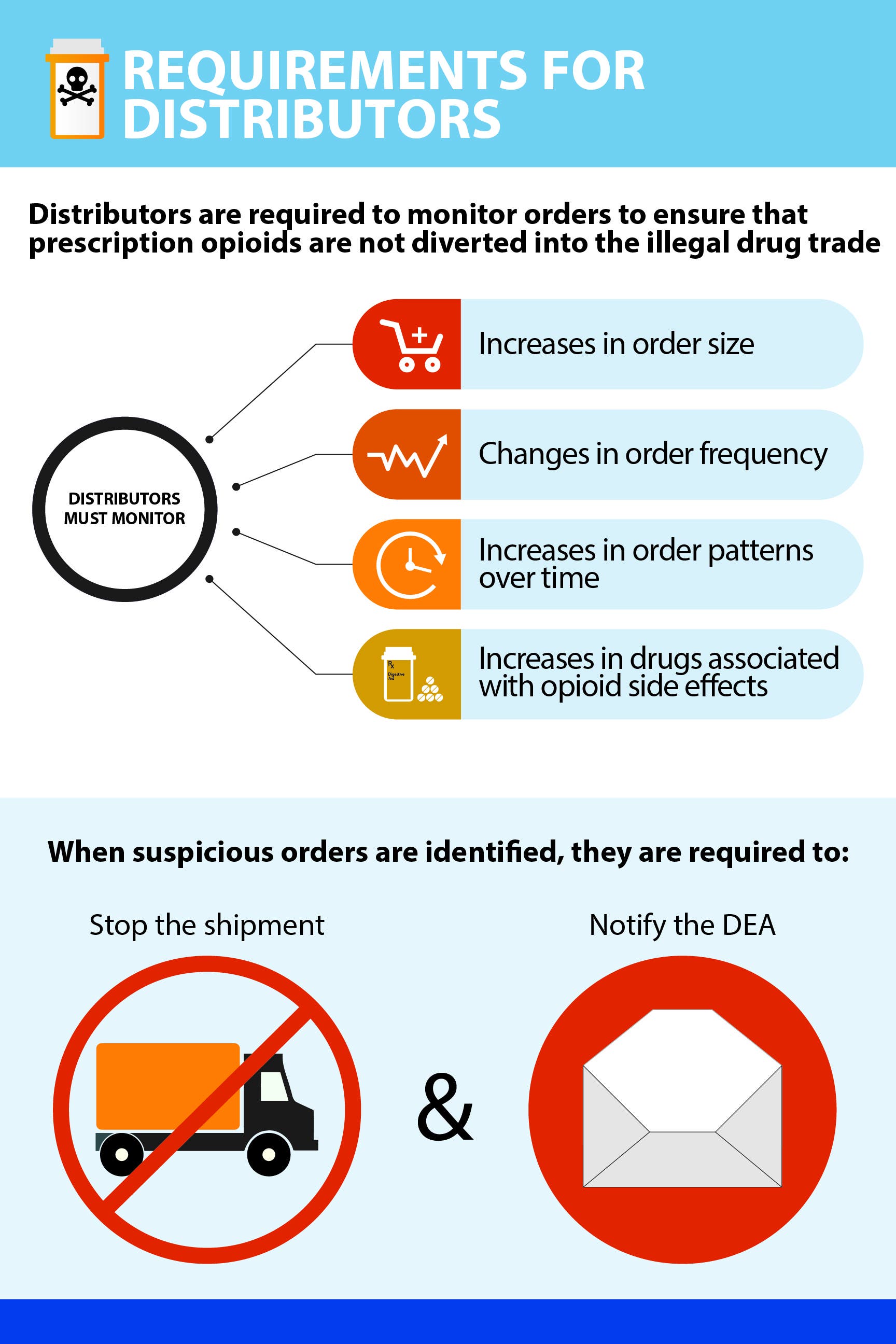
Instead, the suit claims, these three companies repeatedly failed to meet DEA guidelines, and raked in billions of dollars while doing so. All three have been fined several times by the DEA for their negligence, but this latest suit pushes them to give directly to the evergreen state. Ferguson's lawsuit is asking that the three companies be ordered to pay civil penalties, damages and to give up the profits they illegally made in Washington, which would be used to fight back against the addiction epidemic.
“We are woefully under-resourced when it comes to treatment. The people who are responsible for this epidemic should be paying for it,” Ferguson said. “We are going to hold these companies accountable and get more money into our communities for treatment.”
Find out what's happening in Seattlefor free with the latest updates from Patch.
Washington says its opioid epidemic likely peaked in 2011, when more than 112 million daily doses of prescription opioids were given out— that's enough pills for every single Washington resident to have a 16-day supply of drugs. Though the peak has passed, the epidemic continues to be a problem, especially in rural parts of the state. In 2015, Asotin, Clallam, Grays Harbor, Columbia, Garfield, Pend Orielle, Lewis and Benton counties all had more opioid prescriptions than there were residents in their counties.
The lawsuit is far from the first step Washington has taken to hold opioid manufacturers and distributors accountable for addiction. Many cities and jurisdictions filed their own lawsuits against opioid manufacturers near the height of the epidemic, and at the beginning of this year Ferguson filed a similar lawsuit against Johnson & Johnson for misleading marketing of opioids.
Get more local news delivered straight to your inbox. Sign up for free Patch newsletters and alerts.