Health & Fitness
Washington Overdose Deaths Are Nearing Record Levels This Year
More than 400 Washingtonians died of overdoses in the first three months of 2021, and nearly half were linked to fentanyl.


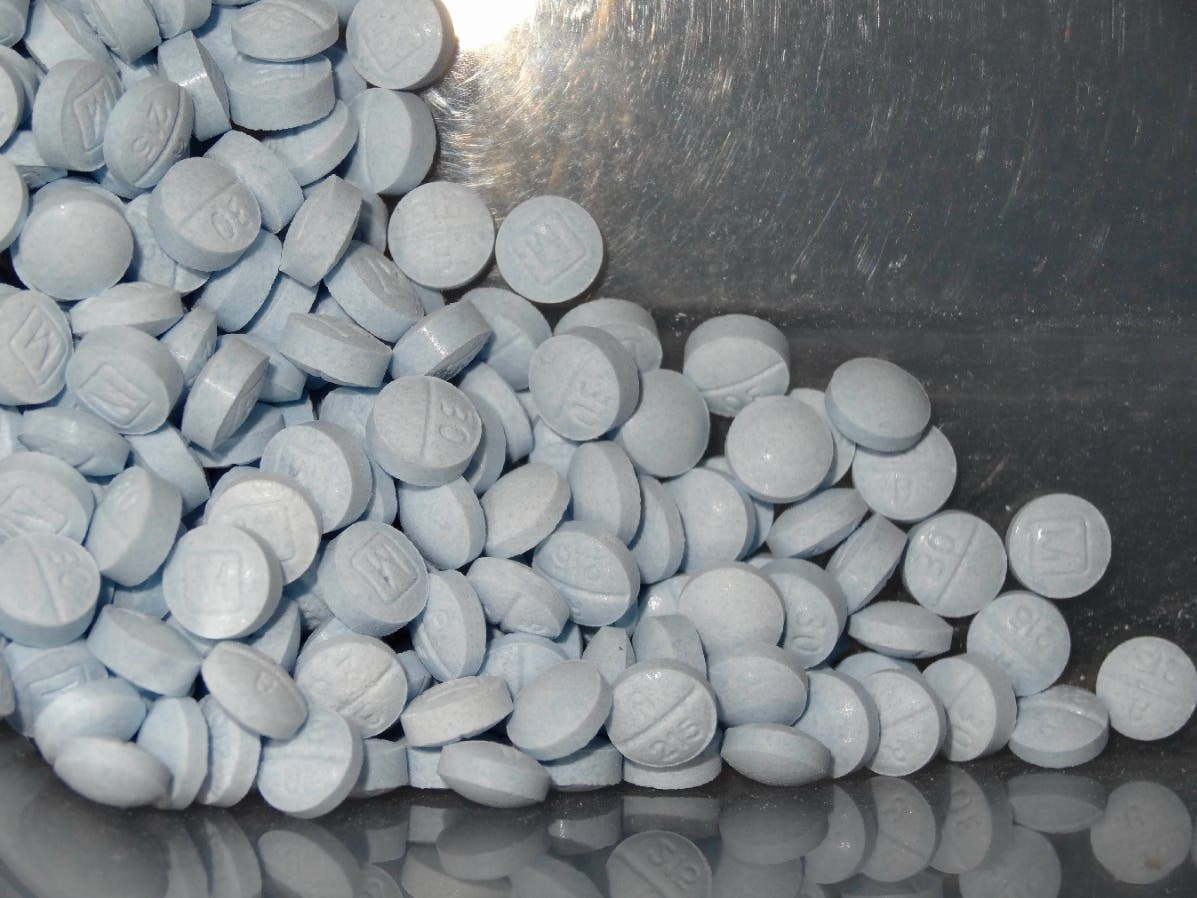
OLYMPIA, WA — Washington is on pace to reach another grim milestone in 2021, with overdose deaths already outpacing last year across the state. New data released Tuesday showed 418 fatal overdoses in Washington in just the first three months of the year, compared to 378 recorded over the same period in 2020. According to the state Department of Health, nearly half of that total was linked to fentanyl, a powerful synthetic opioid often found in counterfeit pills.
State health officials issued a community warning Tuesday:
"Health officials want community members to be aware of blue pills marked with 'M' and '30' that are being marketed as prescription opioid medication. These pills most likely contain some amount of illicit fentanyl, and their purity and potency can vary widely. People should be aware that potency and purity can also vary within one pill. Fentanyl does not mix in evenly with other substances, and one pill can have different amounts of fentanyl throughout. Simply breaking a pill in half does not mean that users will receive an evenly split dose."
The Department of Health said the deadly overdoses were seen across all ages, races, ethnicities and socio-economic groups, but were particularly pronounced in communities of color that already experience disproportionate health outcomes. Another major point of concern was among younger adults, with 55 deaths reported in people under 30.
Find out what's happening in Seattlefor free with the latest updates from Patch.
To help save lives moving forward, the state is asking more people to consider carrying naloxone, especially if they plan to consume any non-prescribed drug or know anyone who does. The life-saving overdose reversal drug is available over the counter and often for free.
"The first few minutes are critical in a potential overdose, especially in rural areas where it can take emergency medical services 10 minutes or longer to arrive," said Dr. Bob Lutz, state medical advisor for the Department of Health. "The majority of overdose reversals happen because a lay person was the first responder and administered naloxone. Not all substance use has to result in overdose. The more Washingtonians we can train on overdose recognition and response, and carry naloxone, the better prepared we are collectively to push back against a drug poisoning epidemic."
Find out what's happening in Seattlefor free with the latest updates from Patch.
The Department of Health urges anyone who uses drugs, or knows someone who does, to take the following steps:
- Carry at least two doses of the overdose reversal drug naloxone.
- Know the signs and symptoms of an opioid overdose: blue lips (ashy white lips on a person of color) and blue fingernails; struggling/no breathing; being unresponsive to external stimuli.
- Use with someone else whenever possible. If you can’t or don’t want to use with someone, consider calling Never Use Alone: (800) 484-3731.
- If using fentanyl test strips, no matter the test result, still proceed with caution.
- Assume that any substance that you do not purchase at a pharmacy or cannabis dispensary contains fentanyl.
- If someone may be overdosing, call 9-1-1, give naloxone, and perform rescue breathing.
- Find locations near you that provide naloxone and instructions on how to use it, as well as a page specifically about fentanyl.
Several options are available for people struggling with opioid addiction, including medications and other recovery resources. More details about treatment options are available online, or by calling the Washington Recovery Help Line at 1-866-789-1511.
Get more local news delivered straight to your inbox. Sign up for free Patch newsletters and alerts.