Crime & Safety
For Women Firefighters, Training With Other Women Is Essential To Hone Skills
A recent training event in Olympia allowed women firefighters from around Washington to learn new skills from each other.


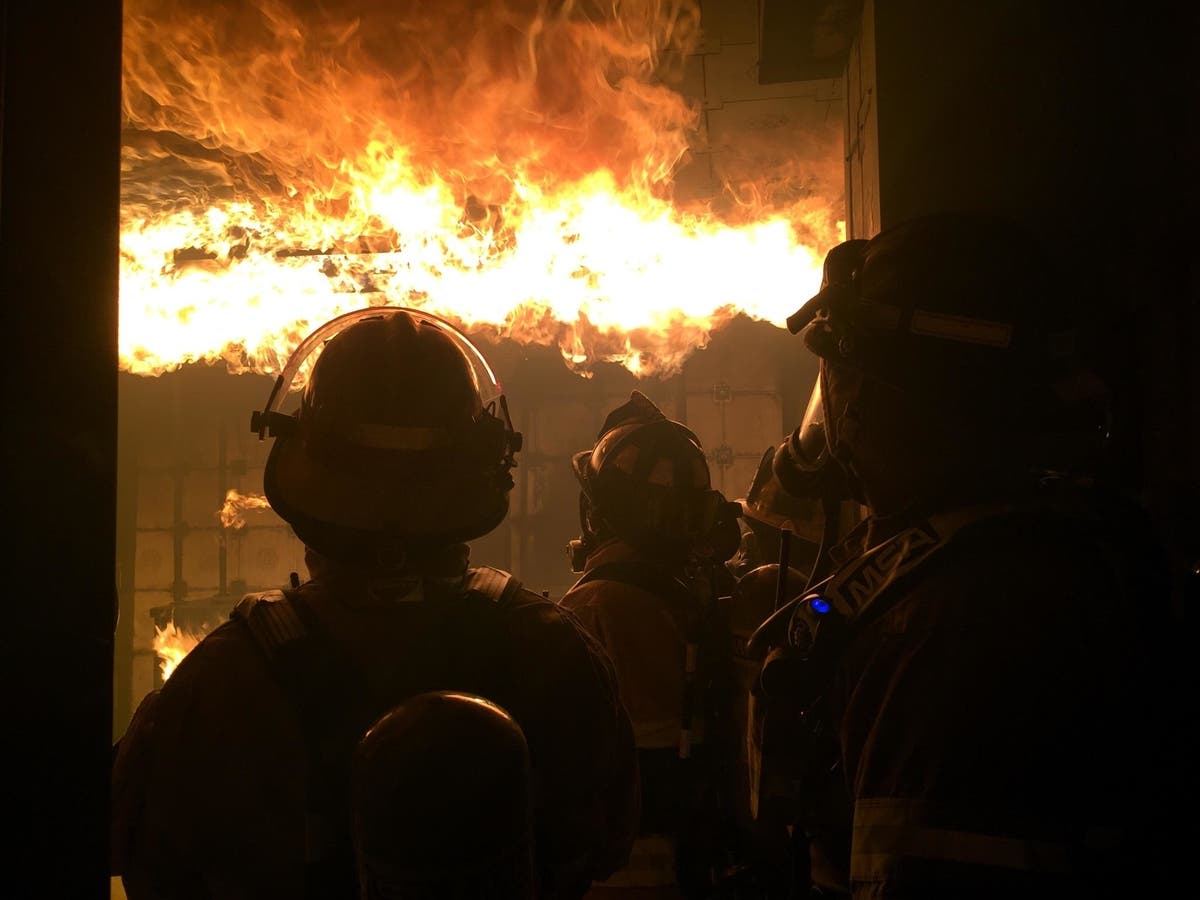
OLYMPIA, WA — Nikki Simson had a chainsaw problem. Before becoming a volunteer firefighter in Olympia area earlier this year, she had never touched one. But she's expected to be able to start a chainsaw, carry it up a ladder and then use it to ventilate a roof. That's on top of the smoke, water and flames all over the place.
Simson wants to become a full-time firefighter, a coveted job that she'll only get if she gets excellent on-the-job training. But for women in a male-dominated profession, training opportunities are an issue. Although their male colleagues are supportive, women firefighters have different training needs, physically and mentally, and training sessions led by women are scarce.
Two weekends ago, more than 40 women from departments across the state (and Canada) took part in a Women In Fire training event. Women from fire departments like Los Angeles, Tacoma and Seattle trained career hopefuls like Simson so they could get comfortable with things like chainsaws or the Jaws of Life. Instead of trying to compete with male colleagues, they got to take their time and figure out what works for them.
Find out what's happening in Seattlefor free with the latest updates from Patch.
"All the physical parts of firefighting are a challenge," said Simson, 32, who works for the East Olympia Fire District No. 6. "We're typically learning from men in a certain where, but there's always 1 million ways to do anything. The [female instructors] say, 'well, here's a another method that you can put in your tool box.'"
The training took place at the Mark Noble Training Center in Olympia, and was inspired by Camp Blaze, a week-long camp that happens every other year in Snohomish County for women age 16 to 19.
Find out what's happening in Seattlefor free with the latest updates from Patch.
Alexandra Chapman, 30, a firefighter in Tacoma, acted as an instructor over the weekend. She described the training as a way for women to fail — not in a bad way, but in a way that helps them explore what works for them.
For example, Chapman said that when she trains with men, she feels like she's competing (and there are usually literal competitions involved), and so she makes sure to perform tasks in ways she knows work best. But among other women, she can try a new approach. Sometimes she "fails," but sometimes she learns a new way to do something.
"The co-ed camps are very informative and I learn a lot, but I feel there's a much better support in [women-led] trainings," she said. "With co-ed camps, everybody wants to show the best of what they can do. People don't seem to be as willing to fail."
Chapman is one of 30 women in Tacoma's approximately 400-member department. There are a little more than 1.1 million firefighters in the U.S., and about 51,000 (both paid and volunteer) are women, according to the International Association of Women In Fire and Emergency Services organization.
Amber Sullivan, 32, a volunteer with the South Bay Fire Department in Olympia, got to work on her extrication skills. Her department doesn't often answer extrication calls, and it doesn't have any spare cars hanging around for people to cut up. Like Simson learning to better handle a chainsaw, getting to use an extrication tool is a valuable step for Sullivan achieving her goal of becoming a full-time firefighter.
"We get to hone in and focus on areas we need to improve and get a lot of one-on-one training," Sullivan said. "We're able to really focus on the training that will make us better firefighters."
It's almost required that firefighters have some experience before applying for a full-time job, so working as a volunteer firefighter is essential — but it's not easy. Volunteers get a small stipend for gas, but they have to balance being a volunteer on top of other responsibilities. Sullivan is a single mother with two young boys, and Simson works full-time outside of firefighting as a barista. Chapman began her firefighting career as a volunteer at age 18 and did it while attending college.
Even with challenges wielding chainsaws or getting used to the male-dominated culture of a firehouse, the goal for all these women — as Sullivan said — is to serve the community and become the best firefighters they can be.
"Your job is st serve the community to the best of your abilities," Simson said. "So I'm always looking for different ways to develop and train."
Image via Jennifer Brown/Women In Fire
Get more local news delivered straight to your inbox. Sign up for free Patch newsletters and alerts.