Politics & Government
Plan to Preserve Park in Ballinger Neighborhood Moves Forward
Planning commission gives OK to recommend plan to city council but will continue debate on zoning language at next meeting
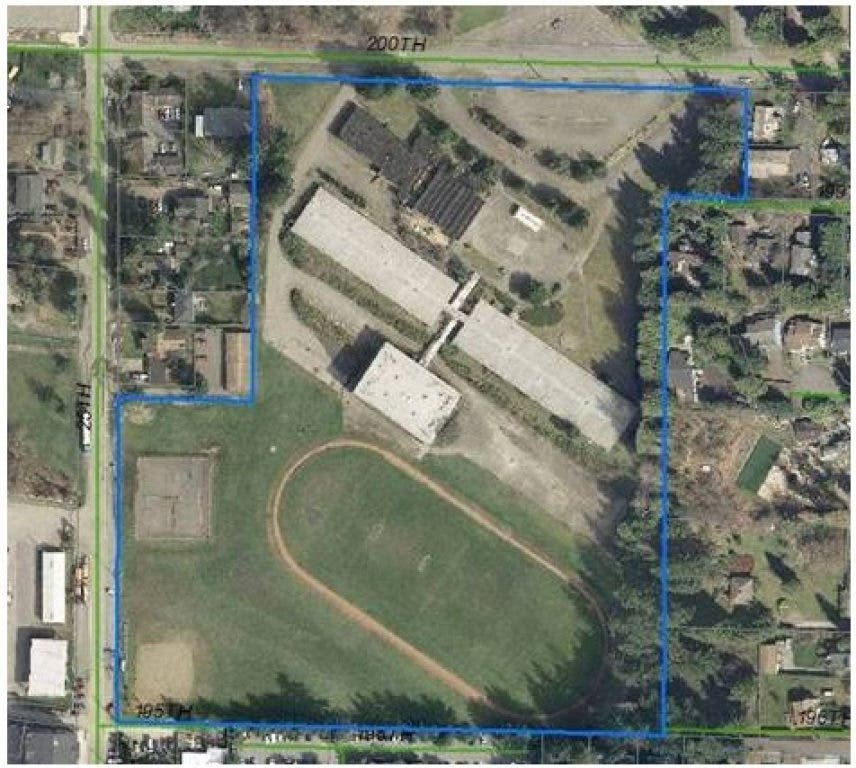
The Shoreline Planning Commission gave a nod to that would preserve open space on a piece of property in the Ballinger Neighborhood Monday, meaning the plan will likely move before the city council by mid-March, but the commission will continue debating specific zoning language at their March 3 meeting.
School district representatives, the Ballinger Neighborhood Association and city officials hailed the plan, which would rezone the property for high-density development but save 6 to 7 acres of land for park space, as a creative way to preserve the neighborhood’s only large piece of open space yet allow the school district, which owns the property, to get a good deal when it finally sells.
"I think this is an example of what people in Shoreline hope happens," Planning Commissioner John Behrens said. "It's nice that since we purchased it with tax dollars, it will stay in public use. If it works out, it will be something we can all be proud of."
Find out what's happening in Shoreline-Lake Forest Parkfor free with the latest updates from Patch.
However, some neighborhood residents fear the plan could mean large apartment complexes, condos or other facilities that don’t fit the neighborhood’s character and could potentially lower property values of the surrounding houses.
Sean Osborn, who lives adjacent to northern portion of the property, suggested finding other ways to preserve the park, such as raising taxes to buy the property from the school district or having the school district donate it to the city, saying he is firmly against the plan as-is
Find out what's happening in Shoreline-Lake Forest Parkfor free with the latest updates from Patch.
“I’d rather welcome 40 new families to the neighborhood than have a giant complex with 500 to 800 people living it,” Osborn said. “I’d rather have a house next door than a giant parking lot with lights shining all night long and cars coming and going 24 hours a day.”
Osborn said he felt left out of the process and had trouble contacting members of the taskforce when they put the plan together.
Other residents praised the plan as the best bet for preserving the park, citing difficulty finding tax revenue and skirting the school district’s obligation to work in good faith to find money for schools.
Garry Lingerfelt, speaking on behalf of the Ballinger Neighborhood Association, read a section of the Revised Code of Washington that requires school districts to get 90 percent of a property's fair-market value when selling.
“The truth of the matter is that a 16-acre park is not reasonable,” Lingerfelt said. “This was a pretty smart way to preserve the green space.”
The Shoreline School District, which owns the piece of property, voted in 2008 to sell it to create an endowment to support Shoreline schools. But neighborhood residents, who have for decades used the open field that once belonged to Kellogg Middle School as a recreation destination, rallied to delay the sale so they could find a way to preserve the chunk of land to be used as a park.
The city created a taskforce, composed of city staff, neighborhood representatives and members of the school district, to come up with a compromise.
The plan would allow a rezone of the property to 28-units per acre or 48-units per acre, and developers would also have the option of developing the property for so-called "institutional uses" such as churches and conference centers.
A few residents told the taskforce at a meeting in January that they were afraid the property could potentially be used for facilities such methodone clinics and jails, but Planning Director Joseph Tovar confirmed that the language would not allow methodone clinics and that jails could be built regardless of zoning language because the state can trump city zoning code. However, he said the zoning language would send a strong signal that the city does not consider the property a good place for a jail.
In addition to the high-density allowances, the plan would come with caveats that would require developers to maintain 80 percent of healthy trees within 25 feet of the edge of the property. Planning commissioners suggested revising the setback limits to require a greater buffer between the property and neighboring houses among other language revisions, extending the debate on zoning to the next meeting on March 3.
The discussion extension means that members of the public will have another opportunity to comment on the zoning language at that meeting.
Tovar said the planning department will revise the language and produce more drawings and diagrams for the March 3 meeting. He said he expects the plan to go before the city council by mid-March, with a final vote on or around the March 28 general meeting.