Community Corner
Seattle City Light To Install New LED Streetlights in Shoreline and LFP
Seattle City Light will be replacing the old streetlights with 2,150 new LED lights in Shoreline and LFP, by mid-October.
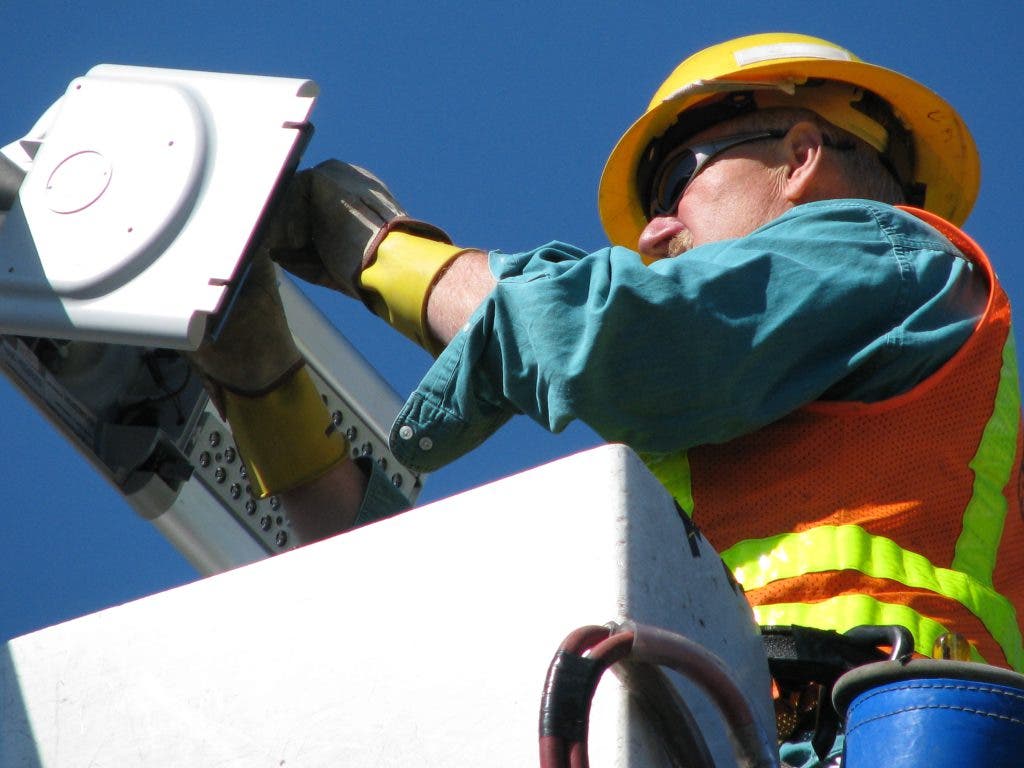
On Sept. 20, Seattle City Light (SCL) will begin replacing the old high-pressure sodium streetlamps with new LED lights in Shoreline and Lake Forest Park.
Last year, SCL installed 6,000 of the LED lamps throughout its coverage area. By the end of 2014, 41,000 new streetlights will be installed throughout the coverage area, with 2,150 of those being placed in the Shoreline and LFP areas.
The project cost, which was originally estimated at between $25-24 million, has dropped in the last year to $20 million for all 41,000 residential street lamps. A small portion of this cost will be covered by federal stimulus funds and SLC will cover the rest.
Find out what's happening in Shoreline-Lake Forest Parkfor free with the latest updates from Patch.
“Every year prices of fixtures drop and the quality of the fixtures get better,” said Scott Thomsen, a Senior Strategic Advisor for SLC. “So by purchasing products one year at a time versus all at once, we’re taking advantage of both of those aspects.”
The newer LED technology uses approximately 48 percent less energy than current high-pressure sodium lights, and they are expected to last at least three times as long.
Find out what's happening in Shoreline-Lake Forest Parkfor free with the latest updates from Patch.
“The four year life expectancy with the high pressure sodium lights meant that after the four years were up half of the lights will have decreased in light output,” said Thomsen. “And about half of them will have gone out completely which is an obvious problem for residents.”
“With the new lights,” he continued, “at the end of the 12-year replacement period, while the lights will have diminished in brightness, they will not be out completely.”
The savings in energy and the fewer service vehicle trips for repairs and replacements, which will result in a reduction of about 20,000 tons of carbon each year for SCL, mean an increase in efficiency and environmental friendliness. Both of which are a priority for SLC, said Thomsen.
The Shoreline and LFP installations, which will be completed by mid-October, will be noticeable to residents immediately because of the difference in color.
The new color temperature that was selected, based on positive feedback from the pilot testing in several Seattle neighborhoods, is a white light, similar to moonlight, in comparison to the sodium lamps, which give off an amber glow.
The LED lamps are superior to the current lamps in terms of safety considerations, as they will allow for better depth of field as well as better peripheral vision.
“You’ll be able to see objects much faster and much clearer,” said Thomsen. “Whether it’s a pothole, a raccoon, or a pedestrian walking in the street.”
In addition to providing better, more energy efficient lighting, increasing reliability and decreasing maintenance needs, the LED lights will produce much better color representation, which is something that is particularly good for law enforcement.
“We had a shooting case about two years ago,” said Thomsen, “where law enforcement say that they could have made an arrest several months sooner if the color of the car had been accurately described as light blue versus silver.”