Ah, summertime. That’s what the calendar says. The weather says something else… Anyone who's lived here a while knows Mother Nature is a capricious lady who doesn’t take suggestions. Meteorologist Scott Sistek at KOMO TV and radio blogged on July 1 that Seattle is “now officially wetter than it was before.”
The National Oceanic and Atmospheric Administration updates the nation’s weather statistics every 10 years for a rolling 30-year average and in the latest calculations we now get 37.49 inches- .36 inch more rain in a year than previously. While global warming predictions show us getting wetter over the next couple decades, this isn’t necessarily part of that. Their numbers for the 1951-1980 period are 38.62”, for 1961-1990 37.20”, for 1971-2000 37.07”, and now 37.49”. Clearly it goes up and down on some other cycle in addition to whatever else we’re doing to it.
It’s also getting warmer. Sistek quotes Thomas R. Karl, L.H.D., National Climate Data Center director: “The climate of the 2000s is about 1.5 degree F warmer than the 1970s, so we would expect the updated 30-year normals to be warmer,” and sure enough, July and August’s average high temperature is up by about a degree here, to 77 degrees Fahrenheit, and lasts for weeks longer. That does fit the predictions, that our summers will be hotter for longer, and puts more pressure on our water resources.
Find out what's happening in Shoreline-Lake Forest Parkfor free with the latest updates from Patch.
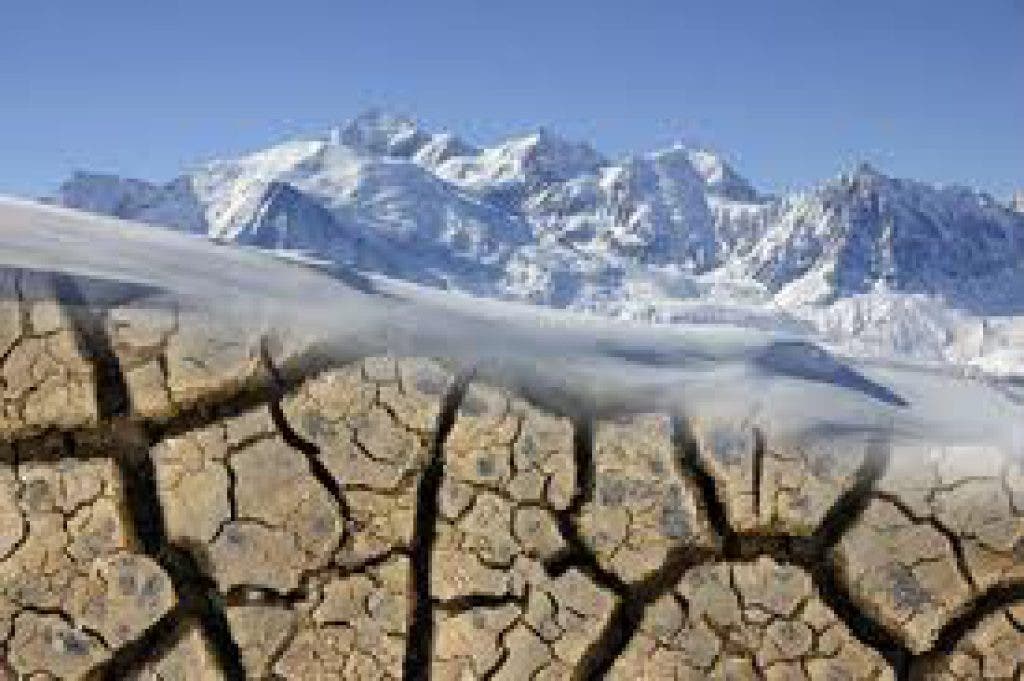
As I wrote in , “ and we need to take the changing precipitation pattern into account, and we need to do it now. As the summers get warmer and drier the winters will be rainier and cooler (the 45 degree coolest high of the yearly cycle now lasts a couple weeks longer, too) we will need to store our summers’ water supplies in something other than snowpack. According to the History International TV show “How The Earth Was Made” 470,000,000,000 gallons of water melts off Washington’s glaciers each year. Assuming that number is accurate that’s about what we need to replace for summer usage.
There you go. Doesn’t sound too bad just yet, but don’t count on it staying so benign. Since our climate is changing around us we have to adapt, because it's a whole lot easier while it's still mild, and you’ve heard what happens to those who can’t.