Health & Fitness
It's A Good Time For Family Planning
With parents aging and their health and lifestyles changing, children need to discuss some changes and decisions that will be needed in the near future. Summertime is an ideal time to do so.
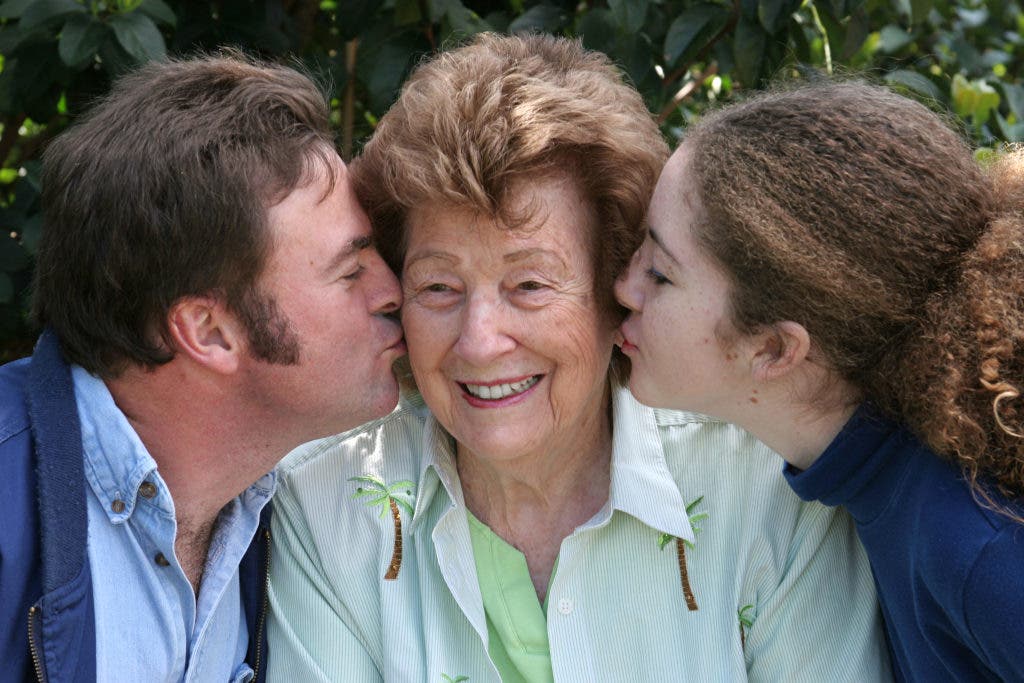
Summertime brings a lot of family time.
With family reunions, picnics, weddings and other events, long-distance family members travel to gather together. It is also the perfect time to do some planning for the future. With parents aging and their health and lifestyles changing, children need to discuss some changes and decisions that will be needed in the near future. Parents should take the time to tell their children where important documents are kept and what their wishes are in the event of needing health care directives or experiencing long term care needs.
For those children who live away, the change they see in their parent's health and mental capacity may be alarming — whereas siblings that have daily contact are working with these issues constantly. Here is the chance to compare notes and work together as a complete family in the long term care planning process.
Find out what's happening in University Placefor free with the latest updates from Patch.
For you parents who are well and active, this is a good time to hold a family meeting and share with your children your plan for long-term care. Tell them where financial and legal documents are located. Review health care directives, living wills and long term care alternatives.
Experience has shown that even families that are close can quickly grow angry, jealous and hostile toward each other when an aging parent begins to need long-term care. If a sibling moves into the parent's home, others can easily be suspicious of ulterior motives and fear losing their inheritance.
Find out what's happening in University Placefor free with the latest updates from Patch.
On the other hand, the child providing the elder care becomes bitter and feels there is no support or help from siblings. Pre-need meetings for the purpose of making a plan, before eldercare becomes imminent, avoids these types of conflicts.
In its book, “The 4 Steps of Long Term Care Planning,” the National Care Planning Council provides guidelines and checklists for family planning meetings. Here's an excerpt from the book:
“The first step to holding a meeting, and perhaps the most difficult one, is to get all interested persons together in one place at one time. If it's a family gathering, perhaps a birthday, an anniversary or another special event could be used as a way to get all to meet. Or maybe even a special dinner might be an incentive."
The person conducting the meeting can be a parent or one person of a couple who are doing their planning, years before the need for care arises. A meeting on behalf of someone already receiving care or needing care in the immediate future could be conducted by that person or by a member of the family, by an adviser or a friend.
The agenda could be formal or informal. If you want a formal agenda, we suggest using our care planning checklist as the agenda. Copies of the care plan should be prepared prior to the meeting and presented to those attending. Discussion is encouraged and we recommend that the person in charge not dictate but encourage input from everyone.
After a thorough discussion of the issues and the presentation of the solutions to the problems that will be encountered, there should be a consensus of all attending to support the plan. If the plan needs to be altered to meet everyone's expectations then by all means do so if that can be done. But it is not always possible to please everyone so there must sometimes be compromise.
The end of the meeting should consist of asking everyone present to make his or her commitment to support the plan.
GET IT IN WRITING! All good intentions seem to be forgotten with time. It may be years after this meeting before the long term care plan begins. If there are vocal commitments to help with transportation to doctors, give respite to the caregiver or other commitments, write them down on the care agreement. You can even have each person put a signature to his or her commitment if you think that is important.