Health & Fitness
UP PUBLIC SAFETY: Make a Kit
Are you ready for the next disaster? Learn how to make a home disaster preparedness kit in this latest installment of the UP Public Safety blog.
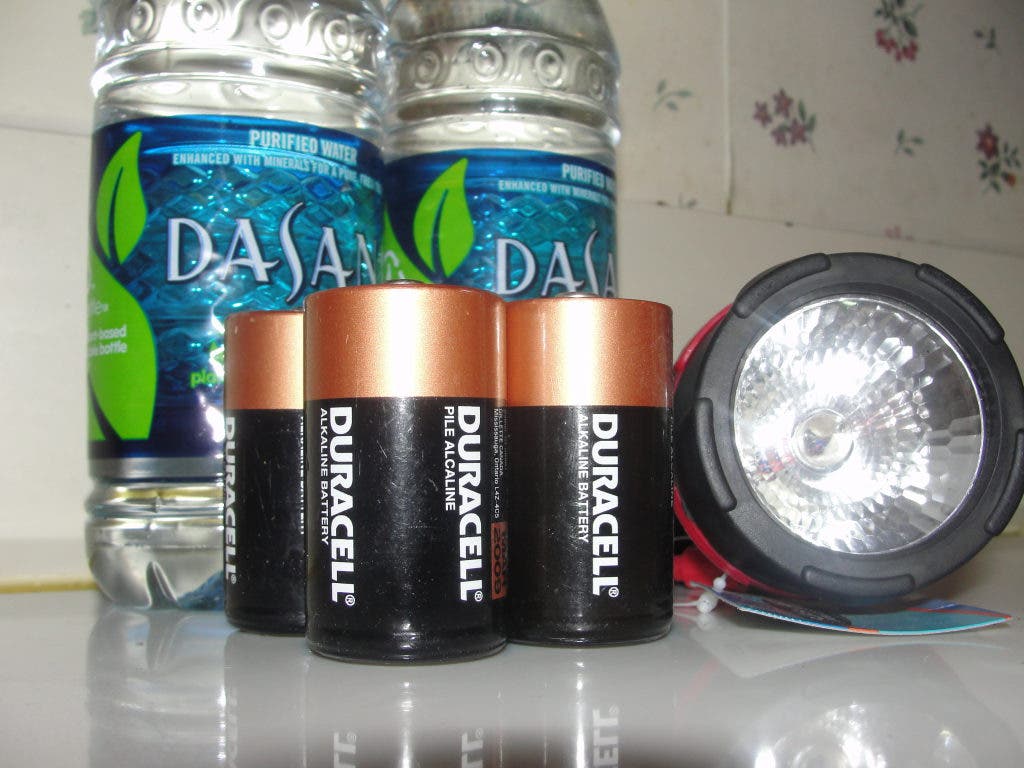
Boy Scouts say it best: Be Prepared.
What does that really mean, though? For a disaster, that means being prepared to survive on your own for at least three days without electric power or access to a store.
Quiz time! Which of the following items should be in your kit?
Find out what's happening in University Placefor free with the latest updates from Patch.
- One gallon of water per person per day
- Battery powered radio
- Flashlight
- Dust masks
The answer is… All of the Above! OK, that was a trick question. I should also point out that this is just a partial list. Other items for a basic kit you will need include:
Find out what's happening in University Placefor free with the latest updates from Patch.
- Food for three days for every person in the household
- Moist towelettes for hygiene
- Utility wrench (for turning off gas, water)
- Garbage bags
- Whistle
- Can opener
- First aid kit
Note that I said a BASIC kit. For you preparedness experts out there, I strongly recommend that you expand upon this. (If you aren’t an expert yet, just read to the end of this article and you will be!) For an ADVANCED kit, add the following items:
- Prescription medicines for those who need them
- Baby supplies for the young’uns (diapers, formula, etc.)
- Pet food for the critters
- NOAA weather radio (battery powered)
- Cash
- First aid reference book
- Sleeping bag
- Matches, lighters
- Toys & games for kids (non-battery powered – remember those?)
- Change of clothing (long sleeved shirts and long pants) and a spare coat.
- Spare glasses, contacts, dentures
- Feminine supplies
- Important papers (identification cards, insurance info, etc.)
- Bleach for disinfectant (basic bleach only –scented or color safe is NOT very helpful). It can also be used for treating drinking water (16 drops per gallon). You can also get iodine tablets from camping stores.
Speaking of camping, if you have camping supplies, they make a great basis for a disaster readiness kit. If you can survive in the woods for a few days, you can surely make it at home even if the power is out.
Is this list complete? Only you can decide for sure. You know your unique needs better than anyone. If you use medical equipment that requires electricity, you should have a generator to run it. This is also good to keep food in refrigerators from spoiling. Books for reading? (A book is what people used to read before the Kindle was invented.) Space blankets? Travel pillows? For more ideas, check out the FEMA website on kits: http://www.ready.gov/basic-disaster-supplies-kit
Food suggestions: I recommend foods that require little or no cooking, such as canned fruits, vegetables, beans, meats, etc. Pre-cooked meals like the military’s MREs are a great option if you have the inclination to order them (available online from several vendors). They can be eaten cold if necessary and usually come with a water-activated chemical heat pack so you don’t have to. If you decide you want to have easily cooked food (spaghetti, etc.) as an option, make sure you have the camp stove, fuel, and extra water to support that plan.
Pack your kit in backpacks if possible. If for any reason you have to evacuate, a backpack is much easier to transport to a shelter than an old shopping bag.
I also recommend that you have a small kit in your car, with warm clothing, comfortable walking shoes or boots, and water and food for 12 hours. Put these items in a backpack as well in case you have to leave your car to walk to safety. Make sure that this kit is big enough to support everyone who routinely rides in the car, but not so big that you can’t carry it to the nearest off-ramp.
OK, here’s the real tricky part. Are you paying attention? Are you? ARE YOU? Then read on…
PRINT THIS BLOG. NOW. Take it around the house and collect these items, checking them off as you go. Put them into a bag, box, old backpack, whatever. NOW. When you have found everything you can, get in your car, go to the store, and buy whatever else you need. NOW, if it’s not too late at night. Otherwise, tape the list to your car steering wheel so you won’t forget to complete your shopping in the morning. Why am I so insistent? I have heard it said that if you don’t accomplish this task within 24 hours of reading this, you probably won’t do it. Life will intrude, as it usually does, and this little task will drift lower and lower in your priority list until it disappears altogether, never to be thought of again until the earth starts to move beneath your feet and you realize, “I should have built that dang kit!” So PRINT already. GO. NOW. I’ll wait…
[Jeopardy theme music playing]
Oh, you’re back? Is the kit built? Congratulations! You are one step closer to being ready for a disaster. There’s more, you ask? Why yes, there is. The best kit in the world isn’t a substitute for thinking in advance about what to do when the Bad Day happens. That’s the next blog – Make a Plan.
CALENDAR
As I hear about public safety-related events, I’ll try and announce them at the end of my blog. Coming up, Cops and Coffee in the new police station (UP Civic Building, suite 201), April 12 from 9:30-11:30 AM. The next Public Safety Commission meeting is at 6:00 PM April 19th, at City Hall. Come one, come all!