Health & Fitness
Celebrate the legacy of MLK by supporting an increase in the minimum wage. There is no better way to honor this man.
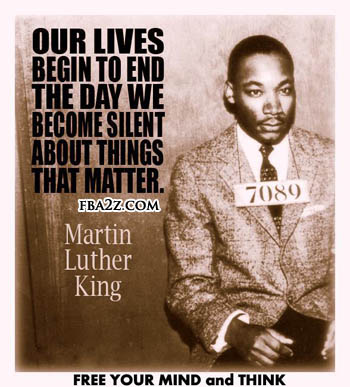
“What does it profit a man to be able to eat at an integrated lunch counter if he doesn’t have enough money to buy a hamburger?” Martin Luther King, Jr. asked in 1968.
King is most widely remembered for his leadership in the civil rights movement, but also he insisted throughout his public life that gains toward racial equality must be accompanied by living wages for all working people.
As our nation celebrates King’s life, we would do well by his legacy to embrace his powerful vision of economic justice.
Find out what's happening in University Placefor free with the latest updates from Patch.
The March on Washington for Jobs and Freedom, where King delivered his famous “I Have A Dream” speech, called for civil rights but also for a minimum wage that would “give all Americans a decent standard of living.” Organizers of the march estimated that to be at least $2 per hour. Adjusted for inflation, that would be more than $15 today.
Throughout 2013, the 50th anniversary of the March on Washington, low-wage workers captivated the American public with bold, courageous action in a struggle for living wages. Fast-food and retail workers went on strike, calling for a $15 hourly wage, challenging some of the country’s largest and most profitable corporations. Clergy, community organizations and unions representing low-wage workers launched dozens of campaigns to win higher state minimum wage laws and local “living wage” ordinances.
Find out what's happening in University Placefor free with the latest updates from Patch.
At the time of his assassination, while in Memphis supporting sanitation workers striking for dignity on the job and in their paychecks, King envisioned a nationwide “Poor People’s Campaign” to help low-wage workers form unions and to raise the minimum wage to a livable income.
Were he alive today, King likely would be on the picket lines with striking fast-food and Wal-Mart workers, speaking at rallies calling for a dramatic increase in the minimum wage, and standing with janitors, hospitality workers and airport workers fighting for a union.