Seasonal & Holidays
Taurid Fireballs: Look Up This Weekend In Wisconsin To See Them
The Taurid meteor shower isn't particularly prolific, but fireballs make this show amazing. Here's how to see them in Wisconsin.


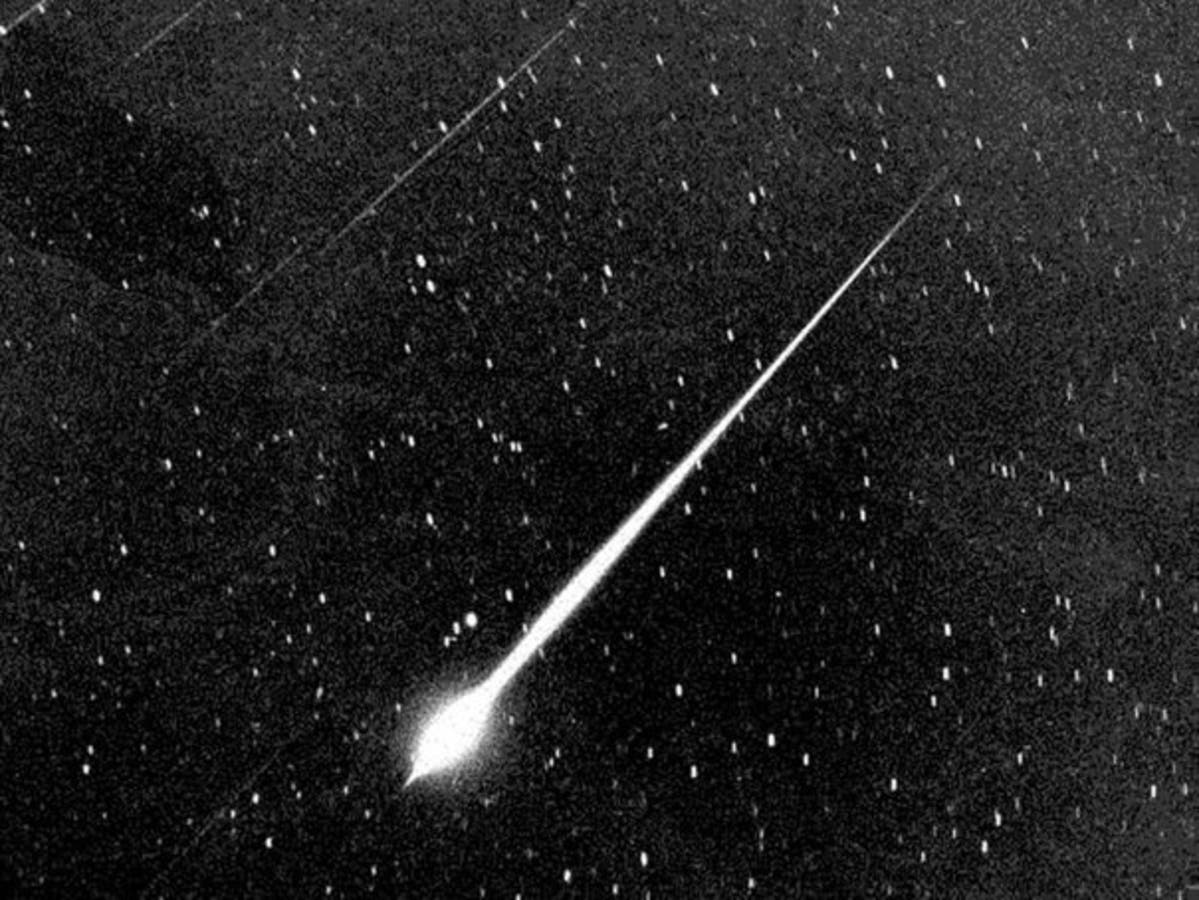
WISCONSIN -- If you are lucky enough to catch it over the next few days, the Taurid meteor shower in Wisconsin has the potential to show off some amazing shooting stars - though you'll have to battle Wisconsin weather in order to do it.
Observers say the Taurids don’t produce a lot of meteors — maybe a handful an hour — but they are known for a high percentage of dramatic fireballs. They’re flying right now over Wisconsin, and reach peak activity Nov. 4-5. Meteors should be visible through the end of the month.
There’s no moon to interfere, but the weather in Wisconsin won't exactly be ideal. That's because the forecast calls for scattered showers every night into Nov. 6.
Find out what's happening in Brookfieldfor free with the latest updates from Patch.
As Comet Encke orbits the sun, it leaves behind a trail of debris in its wake. In some years — 2015, for example — they produce outbursts, but this isn’t one of those years. The outbursts occur when Jupiter orbits close to the comet stream and its gravity pushes the particles toward Earth.
(Get Across America Patch’s daily newsletter and real-time news alerts. Or, find your local Patch here and subscribe. Like us on Facebook. Also, download the free Patch iPhone app or free Patch Android app.)
Find out what's happening in Brookfieldfor free with the latest updates from Patch.
Meteor watchers may see an outburst in 2019, NASA’s meteorite expert, Bill Cooke, told Space.com.
To see the most meteors, be patient. Your best chances to see fireballs occurs in the hours between midnight and dawn. The radiant point, Taurus the Bull, will be well above the horizon. It’s not far from the Pleiades star cluster, also known as the Seven Sisters.
“You don’t need to identify this constellation to see the meteors,” Earthsky.org said. “They will appear all over the sky.”
The Taurid meteor shower is unusual in that it consists of two separate streams. The South Taurids, which have already peaked, are produced by Asteroid 2004 TG10.
You may also start seeing meteors associated with the Leonid meteor shower, which runs Nov. 6-30. It’s a little more prolific than the Taurids, which produces about 15 meteors an hour at its peak, which occurs around Nov 17-18. This shower has a cyclonic peak every 33 years where hundreds of shooting stars can be seen.The last time that happened was in 2001.
What makes the Leonids spectacular is their swift movement across the sky — about 44 miles per second — and that increases the chances of fireballs.
Also coming up are the spectacular Geminids, which originate from the constellation Gemini. Typically one of the best meteor showers of the year, it produces up to 120 multicolored meteors at its peak, which is Dec. 13-17. The shower runs from Dec. 7-17, and viewing conditions should be excellent this year because the first quarter moon will set shortly after midnight, leaving dark skies in peak viewing hours.
(Photo By NASA/Getty Images)
Get more local news delivered straight to your inbox. Sign up for free Patch newsletters and alerts.