

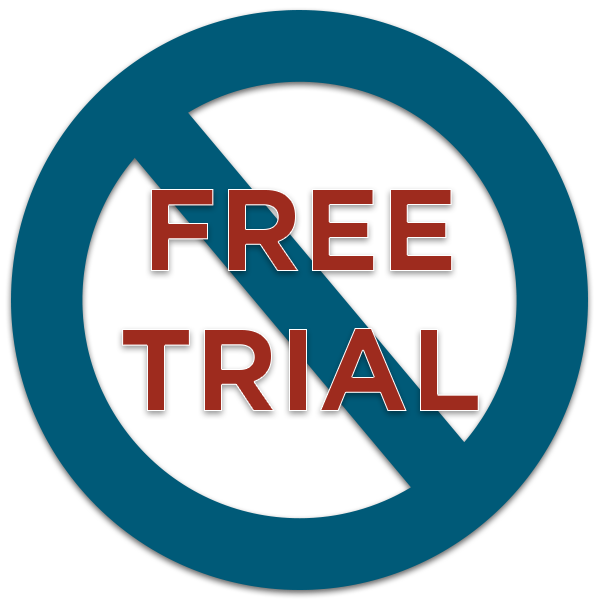
For centuries, consumers have believed when they were told something was “Free” that it really was. Not always true in today’s world of commerce. “Negative Option Marketing” has changed all of that.
According to the Federal Trade Commission (FTC), Negative Option Marketing is a term used to “broadly refer to a category of commercial transactions in which the seller interprets a customer’s failure to take an affirmative action, either to reject an offer or cancel an agreement, as assent to be charged for goods or services.”
“Negative Option Marketing has become more and more prevalent, and, unfortunately, abused by some,” said Ran Hoth, BBB Serving Wisconsin CEO/president. “Many times, consumers believe they are receiving a free item and later discover they’ve been charged for products or services they never intended to purchase.”
Negative Option Marketing turns the sales transaction around. Instead of a merchant having to “sell” you the product or service, the option starts with the assumption that you have already bought it. It is then up to you, the consumer, to contact the merchant and cancel the order if you don’t want to accept the offer. Unless you contact the seller and tell them that you do not want the product or service, you will automatically be billed for it. Sometimes, these offers are buried in small print in online order confirmation pages where the consumer has to uncheck a box to decline the offer, thus making it tricky to catch.
Anytime a consumer is offered a “free gift” or “trial offer” most likely there is a longer-term, more expensive negative option transaction taking place. BBB suggests you read the fine print very carefully, and pay attention to the following:
- Make sure you know the details of the offer and when the trial expires. You will be required to cancel the offer before the trial period expires. If you fail to do so, you’ll continue to receive the product and be charged accordingly.
- Do your Research. Check out the company history at BBB.org and see if others have had problems.
- Read the terms and conditions carefully, as you will be bound to them. As well, beware of pop-ups which could lead you astray.
- Don’t click to fast. Review the order form. Look for pre-checked boxes. You may be giving permission to send you more products that you’ll have to pay for if you don’t cancel, or you may be agreeing to a strict cancellation policy and not know it.
- Monitor your credit card and bank statements. Check for unknown or recurring charges that you weren’t aware of.
- How much time do you have to enjoy the free trial offer, and what is your deadline to cancel before you incur charges?
- Compare pricing. Don’t get locked into a commitment to buy overpriced goods.
- How do you cancel (email, mail, phone) and how easy is it to do? Unscrupulous businesses may create many obstacles to their cancellation policy making it difficult to get out of free trial offers.
BBB’s Code of Business Practices requires businesses to be transparent by clearly disclosing to consumers any recurring commitment into which the customer may be entering, including information on how future billing will occur. In addition, the FTC’s Negative Option Rule requires sellers to disclose all of this information to consumers in a clear and conspicuous manner. Consumers who think they’ve been victims of deceptive marketing and who haven’t been able to resolve the issue directly with the merchant should call their bank or credit card issuer to dispute the charge. They should also report their experiences to their local BBB at BBB.org.
Find out what's happening in Greenfieldfor free with the latest updates from Patch.
For an online version of the story click here