

The first frost decided to grace us with its presence, so I felt it gave me the go ahead to talk about ice wine. Last week I had the opportunity to spend some time in the icewine capital of North America – Niagara on the Lake, Canada. (for you spellcheck junkies – it is spelled many ways. In the United States we spell it ice wine, in Germany eiswein and Canada uses icewine, which is a patented spelling on the word). The whole Niagara area is amazing and worth a trip if you have never been, but the area where they produce the liquid gold is a must see!
The story of ice wine is fascinating in itself, but the taste is so unique and refreshing, that even the toughest red wine drinkers will take a sip. Around the globe there are only a few places that make a great ice wine. Germany and Canada are the largest producers and we focused our trip on the area in Canada that produces 75 percent of their icewines: Ontario.
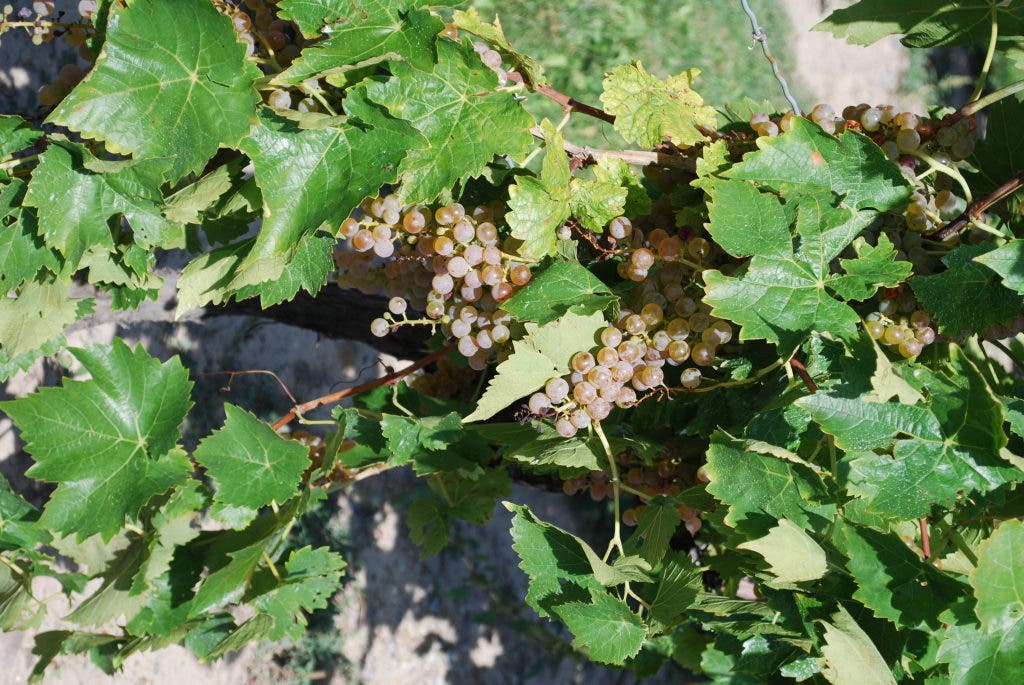
I believe the fun part of ice wine is the process they go through to get a finished product. The Riesling grape is used most times to produce ice wine, but Canada also uses an award-winning grape called Vidal for its icewine. Winemakers are also making small batches of ice wine with other grapes including the red grape, Cabernet Franc. Inniskillin winery, which we visited, in Ontario uses primarily the Vidal grape, which is also a prominent grape used in our backyard at Cedar Creek Winery in Cedarburg, Wisconsin.
Find out what's happening in Hudsonfor free with the latest updates from Patch.
The grapes start out like every other grape, but during the months of August, September and October when all the other grapes are waking up — the grape to make ice wine is still sleeping out there. These grapes by law, in Canada and in other countries, must be harvested, naturally frozen and pressed in a continuous process only when the air is 17 degrees Fahrenheit or lower. There is no stopping and starting; once the harvest begins you keep on going. Because of the low temperature, most of this is done after the sun goes down and into the night. They must work quickly because when the sun comes up, so does the temperature. Pictures of harvest time are full of snow-covered vines and gloved hands, covered heads and layers of clothing on the pickers.
Canada is very fortunate because of its location, they are guaranteed these winter temperatures every year, other areas are warmer in the winter and not so lucky. For this reason and also the labor intense process, some ice wines can cost hundreds of dollars to cover the cost of labor and possibly the ruining of the grapes for the season. The winemaker plays an important part in the ice wine harvest, checking every day and sometimes more then once a day to achieve the right amount of sugar and temperature to begin the harvest. There are certain states and countries that are experimenting with artificial ice wine to cut down on the cost. But the ice wine purist will never agree to do away with the natural freezing process.
Find out what's happening in Hudsonfor free with the latest updates from Patch.
You may be saying how can frozen grapes make wine good enough to drink? The sugars do not freeze in the grape, but the water does making it a very small, sweet concentrate left to use in the wine. We were able to taste the Vidal grape last week, even though it was not even close to being done, this grape was one of the tastiest I have ever had! I could already taste the finished product.
If you have never tasted an ice wine I would encourage you to give it a try. If your budget is limited try one from Idaho or Wisconsin and then put the Canadian ice wine on your Christmas list this year.
Cheers!