Community Corner
Elephant Conservationists Want Wisconsin Ivory Ban
New rules last year largely banned imports of ivory, harvested mainly from African elephants, but don't regulate the in-state ivory trade.


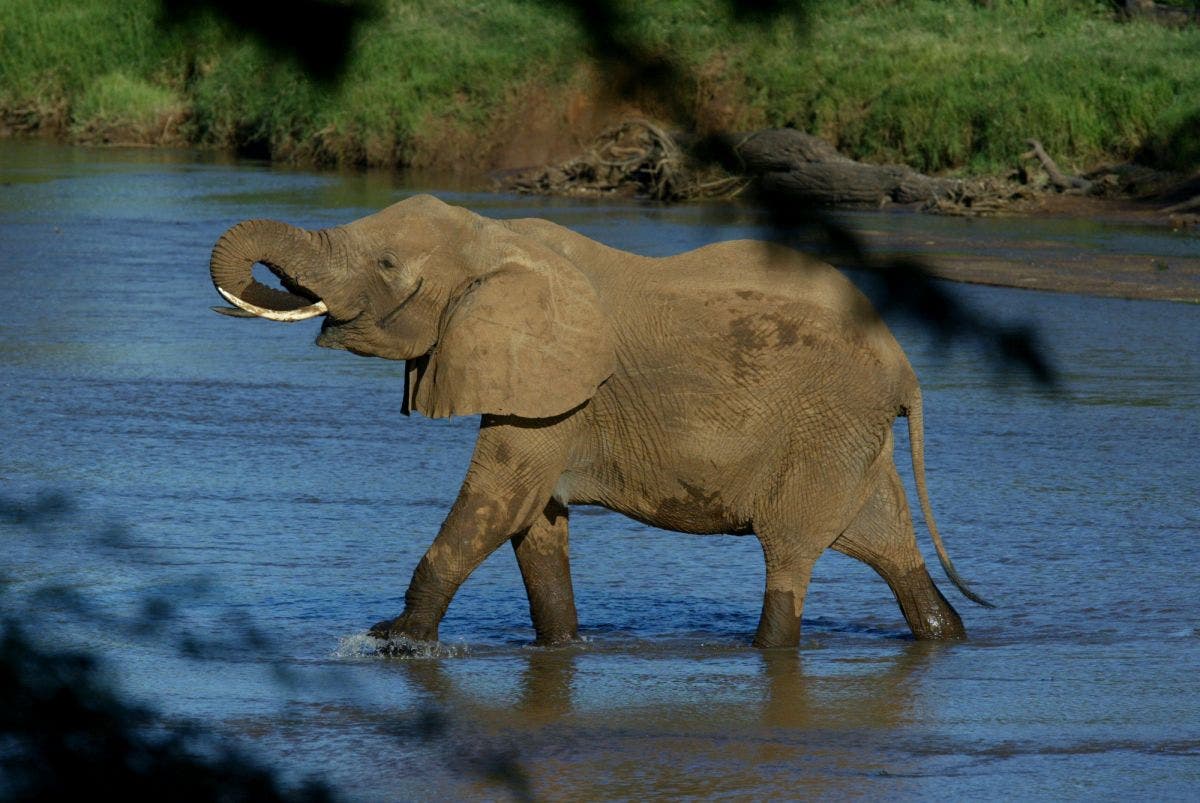
MILWAUKEE, WI — Four states have added an extra layer of protection for intelligent, majestic elephants, which are teetering on the edge of extinction as dozens are slaughtered daily by poachers who want only to harvest the ivory in their tusks. Conservationists at the Milwaukee County Zoo and others want Wisconsin to become the fifth, joining New Jersey, California, New York and Hawaii.
The zoo’s petition drive, launched last August on World Elephant Day and continuing through the 2017 observance on Aug. 12, has already collected more than 5,000 signatures of people who want to see the sale of products containing ivory and rhinoceros horn banned in the state. Once the petition drive is complete, the signatures will be turned over to the Milwaukee County executive’s legislative liaison with the hope that a bill banning the in-state sale of products containing ivory and rhino horn will be introduced, zoo spokeswoman Jennifer Diliberti-Shea told Patch.
“Ninety-six elephants die every day in Africa because of poaching,” Diliberti-Shea said, adding that the United States is one of the leading destinations for ivory imports. At that rate, an elephant dies every 15 minutes. They’re dying at a higher rate than new calves are born — the gestation period is 22 months — and if the trend continues, African elephants will become extinct within 25 years.
Find out what's happening in Milwaukeefor free with the latest updates from Patch.
As many as 10 million elephants once roamed the savannas and forests of Africa. Now, according to the World Wildlife Foundation, there are only 415,000 African elephants remaining in the wild.
When the highly sentient elephants — known to mourn and feel sorrow and grief — are targeted by poachers, they die excruciating, slow deaths from hemorrhage. They’re first shot with poison darts or high-powered automatic rifles, and as they lay dying, the poachers gouge the tusks from the elephant’s skull, The Dodo reports.
Find out what's happening in Milwaukeefor free with the latest updates from Patch.
The zoo petition is found here. A second petition calling for has gathered more than 31,650 signatures.

Those rules prevent the trade of ivory between states but don’t regulate the ivory trade in individual states, which is why Milwaukee Zoo and other supporters want the state legislature to pass an ivory ban. Several other states are considering bans, including Vermont, Illinois, Massachusetts, Florida, Oklahoma, Virginia, Maryland, Washington, Iowa and Connecticut.
The zoo is home to a pair of African elephants, Brittany and Ruth, and programming is designed to raise awareness not only of elephants’ plight in the wild but also their social structure.
“This is a perfect opportunity for us,” Diliberti-Shea said of the zoo’s educational programming.
“When a child takes interest in stopping poaching or human encroachment” — another threat to both elephant and rhino populations — “you never know when you’re going to be speaking to the next Dian Fossey,” Diliberti-Shea said, speaking of the famous zoologist, primatologist and anthropologist who studied mountain gorillas over 18 years in Rwanda. Her work was spotlighted in the film “Gorillas in the Mist.”
Below, watch this video from the Milwaukee Zoo of Brittany and Ruth.
Feature image: (AP Photo/Karel Prinsloo)
Get more local news delivered straight to your inbox. Sign up for free Patch newsletters and alerts.