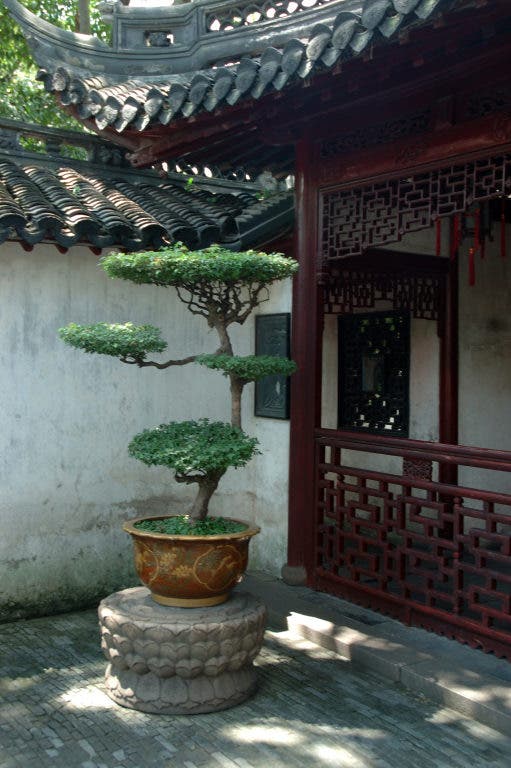
World renowned bonsai artist Suthin Sukosolvisit is the featured guest for Milwaukee Bonsai Society's 41st Annual Exhibit Opening Reception on Friday night at Boerner Botanical Garden. Sukosolvisit will also be on hand to lead workshops as the event continues throughout the weekend.
Friday's reception is free and open to the public. Mr. Sukosolvisit will lead those present through a critique of the trees on display. The reception starts at 6pm and goes until 8.
You can see the bonsais all weekend at Boerner’s Education and Visitor Center, which is located at 9400 Boerner Drive, Hales Corners, Wisconsin, in Milwaukee County’s Whitnall Park.
Find out what's happening in Oak Creekfor free with the latest updates from Patch.
If you are interested in attending any of the workshops, you have a few options. There's a public workshop all day on Saturday for $70. Mr. Sukosolvisit will be conducting workshops on Saturday and Sunday. You can attend for half-day or full day. Workshop information and registration details are here. Or you can download a registration form (pdf). Silent observers of Mr. Suksolvisit's workshops cost $10.
About Suthin Sukolvisit
Find out what's happening in Oak Creekfor free with the latest updates from Patch.
Sukolvisit, originally from Thailand, is the owner of Royal Bonsai Garden in Stoughton, Massachusetts. He will judge the exhibit and award ribbons. Sukosolvisit has guided the education of the Milwaukee club’s members over the past three years.
About the Art of Bonsai
Bonsai are living trees displayed in a hand crafted ceramic pot, on a small table or stand, along with a small companion piece, composed to convey a sentiment of beauty - a feeling the Chinese and Japanese believed to be universally inherent in all of nature. Each artist has developed their tree to one of many traditional styles; designed so that the tree will have a sense or feeling of age.
Founded in 1969, The Milwaukee Bonsai Society is a non-profit organization dedicated to the knowledge and appreciation of Bonsai. The word bonsai, pronounced “bonesigh”, is derived from two Japanese characters, bon and sai. “Bon” transulates to pot, and “sai” to tree, shrub or planting.
One does not need to be an expert to appreciate the art of bonsai. Anyone who has an interest in nature, horticulture, the arts or sculpture will find the art of bonsai fascinating and enjoyable.
Members of the bonsai club will be available to answer questions, including how one might become involved with the art.