By Jeffrey Shovers, M.D.
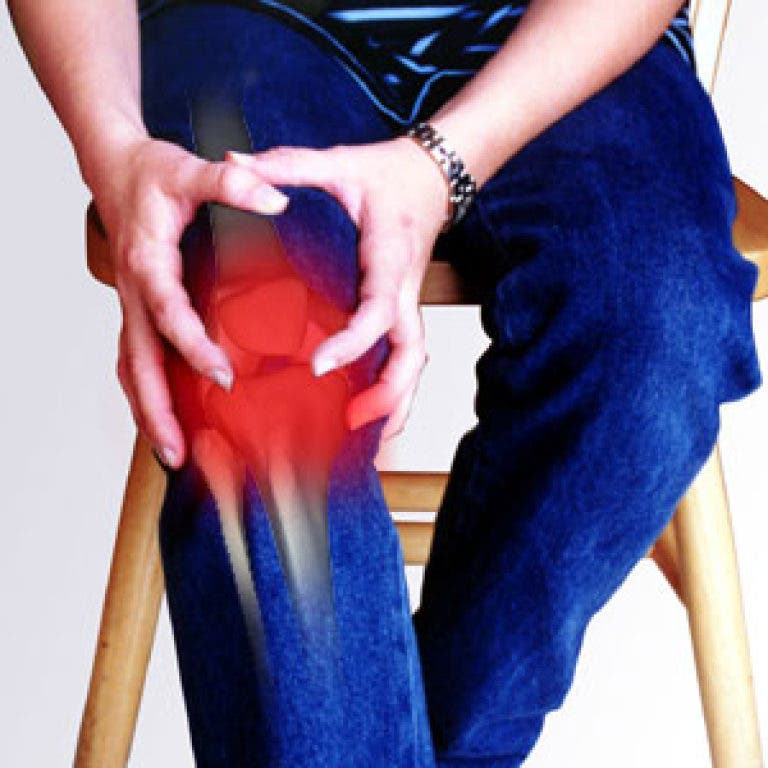
Knee pain, or osteoarthritis of the knee, can be a debilitating and life-altering condition for many.
However, diet, especially related to maintaining a proper weight, and exercise play critical roles in treating osteoarthritis of the knee and other weight-bearing joints.
Find out what's happening in Port Washington-Saukvillefor free with the latest updates from Patch.
About 60 percent of adults in this country are overweight and 30 percent are obese. Those numbers continue to rise, and we know that obesity is a definite risk factor for developing osteoarthritis. We also know that heavier patients often have more pain associated with arthritis.
If an arthritic patient is overweight, we encourage that person to lose weight and adopt a non-impact exercise program; activities such as swimming, walking, bicycling or using an elliptical trainer can be well tolerated while helping to burn calories and maintain joint motion. Low-resistance strength training can also be helpful.
Find out what's happening in Port Washington-Saukvillefor free with the latest updates from Patch.
There are many programs available through our local YMCA, health clubs and rehabilitation / physical therapy departments that can help patients get on the “right track.” The key to success, however, is commitment and perseverance. Often working with a personal trainer or being part of an exercise / weight loss accountability group can help a person to “stay the course.” If followed, he or she may experience less pain and improved outcome in combination with other treatment modalities.
In addition to helping with weight control, another benefit of exercise is improved muscle strength and function. This is extremely important for arthritis patients. Research confirms that weakness of the hip and thigh muscles are associated with osteoarthritis, and in some cases that weakness may precede osteoarthritis.
The muscles around a joint enable movement but also provide a shock-reducing type of effect, reducing the forces that a joint experiences with any weight-bearing activity. The stronger and healthier these muscles, the more they benefit overall joint function. This can have an important preventative role toward the development of osteoarthritis. In the person with knee arthritis, this benefit can help to compensate for the underlying joint damage (loss of cartilage). Flexibility training can also help reduce joint stiffness that typically occurs with the osteoarthritis disease process.
Clearly, exercise and weight-loss are important in the treatment of osteoarthritis. Unfortunately, many arthritis sufferers find it painful and difficult to exercise. Their joints are sore and stiff and don’t want to move. This is where a knowledgeable health care provider can help devise a comprehensive treatment plan to reduce joint pain and optimize exercise potential. There are many medical options for treating osteoarthritis pain, including nutritional supplements (example: glucosamine/chondroitin sulfate), various over-the-counter and prescription medications, cortisone and / or visco-supplementation injections, bracing and orthopedic surgery.
Even with exercise and proper bodyweight, osteoarthritis is not entirely preventable. Most people will develop osteoarthritis to some degree over time with age and “wear.” This can be impacted by hereditary factors, injury, joint infection, joint alignment and other variables.
Although osteoarthritis has no “cure” (apart from prosthetic joint replacement), its progression and its consequence on a person’s quality of life can be favorably altered by optimally combining medical management with a healthy diet, regular proper exercise and an ideal body weight.
Dr. Jeffrey Shovers is an orthopedic physician with Aurora Advanced Orthopaedics specializing in sports medicine and orthopedic surgery. He can be reached at the Aurora Advanced Health Care Clinics in West Bend or Hartford, at 1-877-600-1999.