Politics & Government
Sweeping Postal Service Changes Could Impact Local Businesses
Responding to declining use of snail mail, the Postal Service is looking for ways to save money.
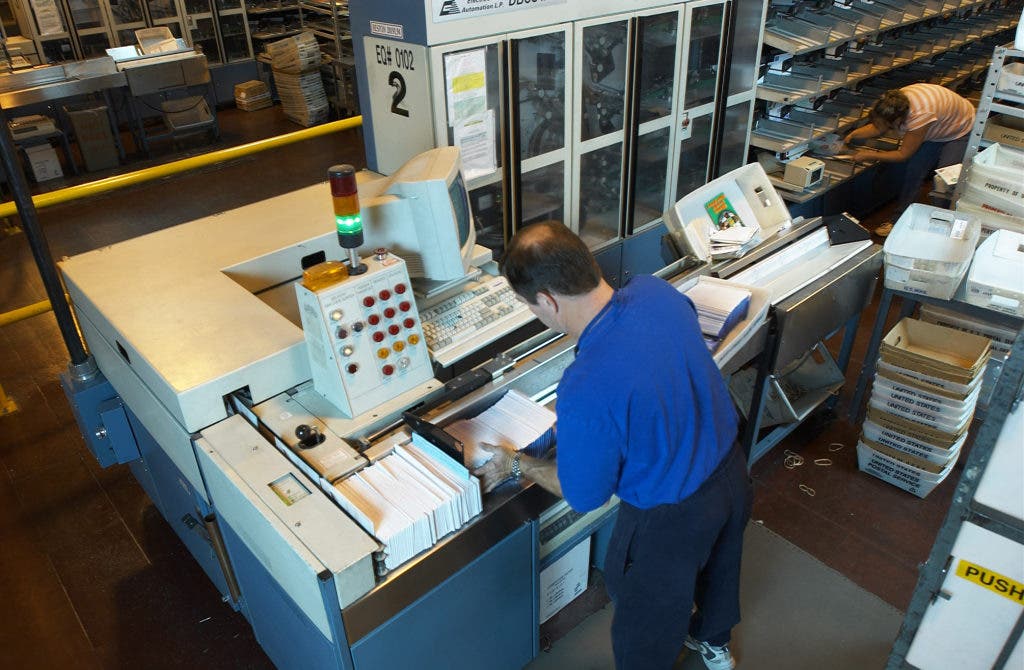
The U.S. Postal Service is thinking big with cost-saving plans announced Monday — $20 billion by 2015.
Closure of up to 252 mail processing plants is part of the plan, along with the end of overnight delivery for first-class mail. Letters — as well as many bills and bill payments — would have a 2-3 day service standard.
Will these high-dollar, nationwide changes have any impact on small, local businesses in an increasingly electronic world? They might.
Find out what's happening in Port Washington-Saukvillefor free with the latest updates from Patch.
At in Whitefish Bay, co-owner Terry Stuhlmacher said they still pay most of their bills through the mail, with about 50 pieces of mail going out every week. He said if the delivery time changes, they will have to mail some things out eariler, and consider paying some bills online.
"That's probably going to be the future," Stuhlmacher said. "It's too bad, but I guess it's just something that has to be done. People are going to be more and more inclined to pay online."
Find out what's happening in Port Washington-Saukvillefor free with the latest updates from Patch.
Sean Hargadon, Postal Service spokesman, said the number of people who pay bills online has grown from 5 percent to 60 percent in the last decade.
The "electronic migration" is happening in personal communication, too.
Laura Fabick, who has owned in Fox Point for 12 years, said she has witnessed many customers, particularly younger ones, relying more on email for sending invitations and letters. However, a stationary-loyal customer base has kept her in business for years, and she doesn't expect them to go anywhere with the delivery standard changing.
"They're kind of entrenched in their ways," Fabick said. "You'll always have your clients that will always send a formal invitation or thank-you note through the mail, and those people have stayed true to that."
However, as the younger generation takes over more of the market, Fabick thinks things will change.
"People who've had years of experience sending and receiving letters appreciate that," she said. "The younger people who haven't, don't appreciate that. The way they know is email. It's a changing world."
The USPS changes are a reaction to steep decline in usage of first-class mail, which generates about 49 percent of the Postal Service's revenue, according to Chief Financial Officer Joe Corbett. In the last 10 years, single-piece first-class mailings decreased by 50 percent.
The Postal Service ended its 2011 fiscal year in September with a net loss of $5.1 billion.
Among the mail processing plants being examined is one in Kenosha. Hargadon said if that plant, which is part of a post office, closes, the post office will stay open and the two processing machines will move to the Milwaukee processing plant. Collectively bargained agreements ensure that no workers lose their jobs.
The proposal will go the Postal Regulatory Commission for an advisory opinion, and will likely move forward in April.