Neighbor News
A Clarification of Moral Differences Between Sacred and Secular Codes
A further clarification of moral codes, separating the sacred sources from the secular sources and the moral structure.

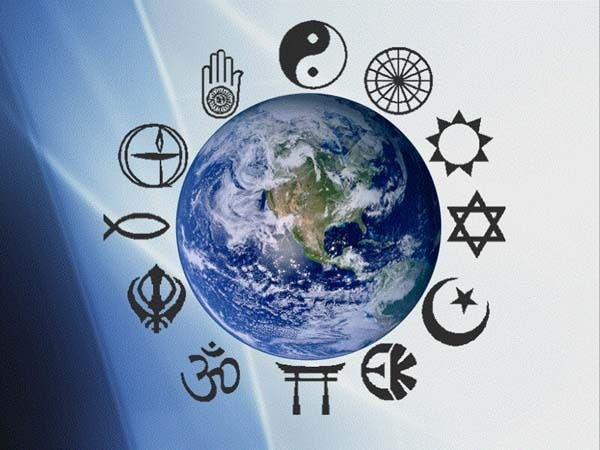
After the introduction of a couple articles on my take of the nature of morality, I have found it necessary to expand the discussion and attempt to clarify my supposition. In the previous articles I maintained that a moral system is a structure of moral imperatives; positive, negative and neutral that guides the interaction and behavior relative to the culture. My thesis, which has been challenged, is that the best moral structure is one that doesn’t favor one moral group over that of another, but the most effective moral structure is that of a broad secular nature and structure. Also, an effective and functional moral structure will allow for personal adaptation and adoption, which allows for a personal moral code that will not impose its imperatives on others but is relevant to the individual only or like minded people.
If one can envision a moral structure as a woven rope with a constant core, which represents the core of secular imperatives, values and beliefs; and, the outer wrappings and weave, made up of the individual moral codes unique to the individual, group and culture; revealing a less abstract concept of moral structural construction. Therefore, it is of the greatest importance that the secular core of morality be functional and it impartially represents the widest swath of the social strata. This statement would indicate there are moral secular structures that are unique only to all separate groups and the larger the group the more secular the secular moral code.
The secular moral structure provides a foundation of values, folkways, and beliefs that constitute a good share of the recognized legal code. When the imperatives of the profane and sacred are intermingled into a legal code, it is sufficient to cause social conflict; since not all members of a large society share the same sacred beliefs as a foundation for morality. Examples of this are best illustrated in the imposition of Sharia Law, Hindu Law, Jewish Law or extreme Christianity on large heterogeneous communities. The application of such codes result in theocracies, which bring undue pressure and control on those who don’t share the theocratic beliefs and values.
Find out what's happening in Shorewoodfor free with the latest updates from Patch.
Admittedly, much of the morality of the United States can be traced back to its European roots of the 16th, 17th, 18th, 19th and early 20th centuries, which was highly sacred in nature. The sacred beliefs and principles were mostly European and British Protestantism. As Max Weber (1864 – 1920) claimed, Protestantism made possible the Industrial Revolution and Age possible. However, as the heterogeneous nature of Western Civilization has changed, the move from a sacred moral structure to a secular moral structure has been necessary to accommodate the changing needs of society. Currently the U.S. is still in the process of moral structural transitioning and continues to clear the sacred imperatives from the secular moral code.
Don’t get me wrong, there are many imperatives that are shared between the secular and sacred moral codes. I don’t think those imperatives will be discarded, since most are functional and just don’t express the beliefs of religious adherents. However, issues surrounding abortion, sex education, pregnancy prevention, out of wedlock birth, etc; are all antiquated imperatives that are quickly losing widespread adherence.
Find out what's happening in Shorewoodfor free with the latest updates from Patch.
Controversy will continue with those who want to claim that the moral code they support was given by some divine source rather than the adaptation and evolution of social function and social structures. The best moral structure is the one that guides without creating extreme restrictions.