Community Corner
Is the Grass Really Greener on the Other Side?
Some Shorewood residents are concerned about the spraying of pesticides by their neighbors.
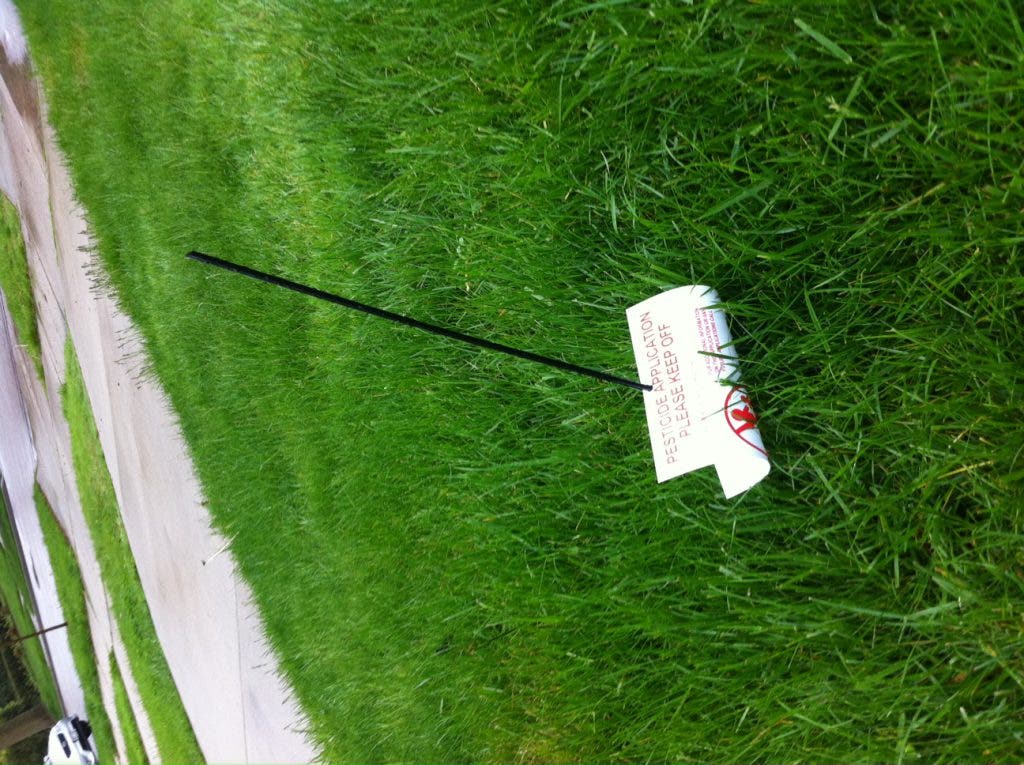


Some Shorewood residents are bit unsettled by the use of pesticides on lawns around the village. Now that it’s nice out and the spraying has commenced, what effect do these chemicals have?
One resident, who asked to remain anonymous, said he doesn't want his lawn looking terrible all summer long and has no problem using pesticide spray.
“Dandelions are a sign of neglect and I can’t get outside to dig them up, nor do I want to," he said.
Find out what's happening in Shorewoodfor free with the latest updates from Patch.
A next-door neighbor responded, “I can’t let the kids or my dog outside, and I am worried about the small organic garden that gets carryover spray from them.”
Few believe pesticides are healthy, but there is a sense amongst customers of traditional lawn care services they wouldn’t be available if it were “truly dangerous.” In addition many companies, popular in this area, are known for their aggressive marketing campaigns.
Find out what's happening in Shorewoodfor free with the latest updates from Patch.
There is regulation of the toxins, despite the very strong chemical lobby in Washington. The EPA limits the use and application of many pesticides, though they do state clearly on the website “By their very nature, pesticides can cause harm to humans, animals, or the environment because they are designed to kill or otherwise adversely affect living organisms.” The EPA maintains a register of reduced-risk conventional pesticides listed here.
Now, spraying on private property is fully within residents' rights, but there are many laws and ordinances restricting the use of pesticides. Wisconsin bans their use on public school grounds.
“… Even spectators at a game or passersby face inhalation exposure to pesticides that volatilize or vaporize off the treated area,” the state website says.
Many villages such as Shorewood and have agreed to not use pesticide on public green spaces like parks. Application conditions are also restricted; spraying is not allowed in wind or rain.
If you experience an application occurring in wind or rain, or the spray being applied to areas not related to grass, you are urged to call the company and report the violation.
"I drove past someone spraying on Morris yesterday & had to close the car windows because it drifted in. I could taste it in my mouth," Shorewood resident JoAnn Early Macken wrote on Facebook.
Gretchen Mead, executive director of the Victory Garden Initiative, said there needs to be better measures to protect families in the area from pesticide contamination.
“Many chemical spraying companies do their work on blustery spring days," she said. "I was outside in my backyard with my new-born son a couple years ago, and some friends came with their kids to see the baby."
She said she could smell the pesticides as they came up the driveway as the family had drove past a local home with their windows as it was being sprayed with pesticide with their windows down.
"The chemicals blew directly into their car, in their faces, in their mouths, and on their skin and their clothes," she said. "We didn't think it was a good idea for any of them to hold the new baby."
"We need better measures that protect people from this type of contamination where we raise our families."
There are many resources to find information on deeper health implications of the treated lawns. An effort in Whitefish Bay, the Healthy Communities Project, has received funding and national attention.
The National Pesticide Information Center (800-858-7378) can help you decide what to do, especially if you have a specific issue. For example, one Shorewood called to address organic raspberries growing on the side yard where a neighbor has started using pesticides.
“They seem to have a lot of information on their website and a call line (to answer any questions you may have about pesticides)," the resident said. "They claim to be neutral, i.e. not promote pesticides or tell people not to use them.”
These resources allow you to step up your interest in pesticide use, possible violations and actively engaging neighbors in limiting the impact.
- The Wisconsin Department of Agriculture, Trade and Consumer Protection enforces Wisconsin’s pesticide laws. Persons and businesses that sell or use pesticides must follow these requirements. Complaints on use should be filed here. This organization also offers a link to sign up to receive advance notification when a neighbor is going to spray.
- A 13-year-old in northern Virginia has launched a national campaign to inform people about neighborhood pesticides, and offers a place to launch a small campaign without making it personal. Get a door hanger to put around the neighborhood.
- One resident wrote a letter to neighboring University of Wisconsin-Milwaukee campus, which does not ban the use of pesticides, though all state and local schools in Wisconsin are required by law to not use the products, citing the presidential panel on pesticides. Another resident successfully battled a neighboring building management company in a letter by personalizing using the pesticide application image, labeling the parents and children by name who were inhaling the application in the back yard.