Health & Fitness
Breaking the 200,000 Mile Barrier with Your Vehicle
How to acheive the 200,000 mile mark on your vehicle
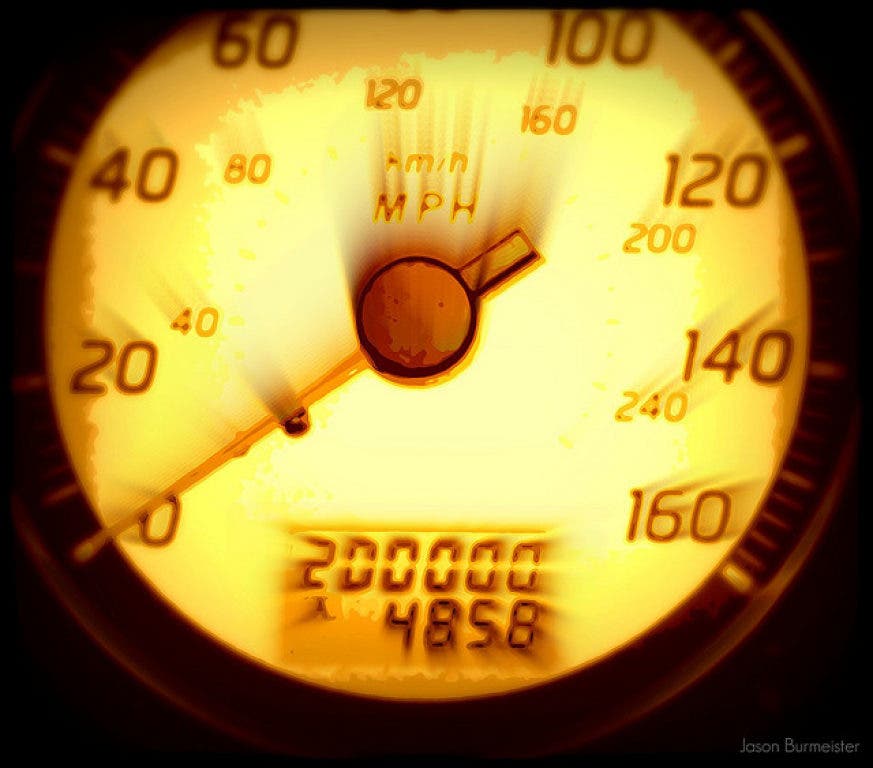
Nowadays, driving your vehicle for 200,000 miles is very common, and with a little planning, it can be done economically. My personal opinion is your vehicle should go that far without any major component repairs (i.e. engine or transmission), but you need to have a plan.
Routine Maintenance
First off, routine maintenance is critical and is far easier to budget for. Unexpected breakdowns can be costly and very inconvenient. For the most part, breakdowns are the result of poor or neglected maintenance.
Fluid Replacements
Fluid replacements at proper intervals are critical. All manufacturers have maintenance schedules stating when they should be done. Keep in mind, you will need to tailor your maintenance schedule to your driving habits. If you do a lot of high speed driving or trailer towing, fluid changes would be needed sooner than if you didn’t.
Find out what's happening in Sussexfor free with the latest updates from Patch.
Oil changes are one of the cheapest repairs you can do on your car, but has a dramatic effect on your vehicles longevity. All fluids will breakdown over time and will cause costly repairs.
Things like anti-freeze need to be changed on a regular basis. Many cars come equipped with extended life anti-freeze, but it still needs to be replaced at proper intervals (typically every 5 years or 100,000 miles, whichever comes first). Most transmission failures can be traced to transmission fluid that degraded and caused lack of lubrication.
Find out what's happening in Sussexfor free with the latest updates from Patch.
You will find you get better mileage, longer tire wear, and fewer breakdowns.
The beauty of following a maintenance schedule is that you can plan on expected costs. A good repair facility will track your maintenance and keep you abreast of what is needed. You can also read and follow the recommendations in your owner’s manual. Just be sure to document what you have done.
Your Car is Like You
Finally, your car is a lot like you. If you abuse your body, things wear out. Your knees or back can give out from lack of exercise or poor lifting techniques. Diabetes and high blood pressure can be a result of poor diet and exercise.
Treat your car well. Don’t overload it, don’t let your engine idle for long periods of time, and keep clean fluids in it. Have your vehicle safety inspected at least twice a year. You will find you get better mileage, longer tire wear, and fewer breakdowns. And, oh yeah, a car that is a lot more fun to own and drive.