Business & Tech
Don't Squirm – Get Some Worms to Make Great Compost at Home
Local business sells red wigglers that help organic gardeners turn waste into food.
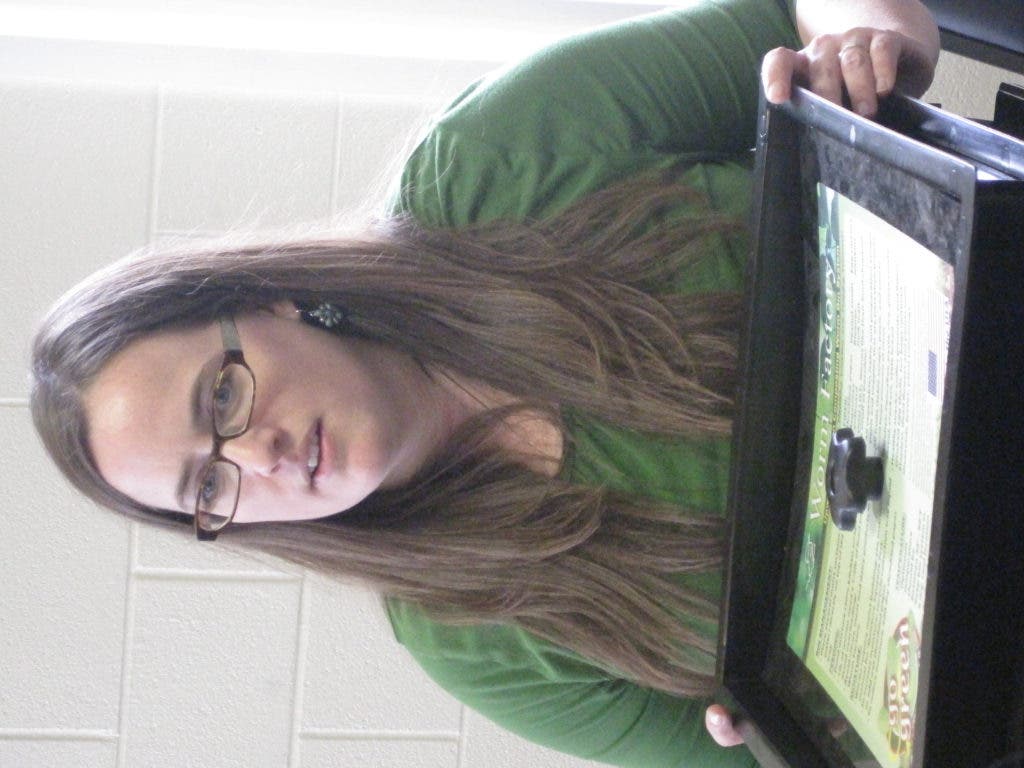


While interviewing a homesteading family a few years ago, Heather Zydek opened up a real can of worms.
Through the interview, Zydek, who is a freelance writer, learned about the concept of using red wigglers, a type of small worm, to create super-rich compost. Having grown up in the Chicago area in a time when “people sprayed everything,” Zydek was intrigued. After finding instructions and worms online, she started building and maintaining worm bins in the basement of her Wauwatosa bungalow.
In the years that followed, Zydek said, “I gave some bins away, and became the go-to for information for friends.”
Find out what's happening in Wauwatosafor free with the latest updates from Patch.
Then an illness created a break in Zydek’s path. “It took awhile to get back on track. I did some soul-searching about what to do with my life,” she said.
With a realization of her expertise in vermicomposting, Zydek officially opened her new business, Gardens, Not Garbage! in February.
Find out what's happening in Wauwatosafor free with the latest updates from Patch.
Although Zydek advertises her products on a website, because she advocates buying locally, she does not sell anything online. , a Wauwatosa design business, carries Gardens, Not Garbage! products, including one-pound boxes of worms and bins.
Zydek makes the 20-gallon bins from recycled plastic tubs. She also takes orders for a tiered system called “the worm factory.” Zydek’s products are also available at Sweet Water Organics, an urban farm in Bayview.
Most people who buy the vermicomposting kits are organic vegetable gardeners.
“They want the organic fertilizer,” says Zydek. A secondary reason for maintaining a system is to recycle vegetable scraps. “The worms eat half their body weight in a day, so in a week, [one pound of worms] need about 3 1/2 pounds of food waste,” Zydek said.
The worms multiply rapidly to fill the space, but, according to Zydek, “they’re self-limiting. They sustain their population in the amount of space and with the amount of food they’re given.”
She added, however, “If you get too many worms, you can always give them away. It’s a good problem to have.”
The red wigglers who are the agents in the vermicomposting process differ from the familiar earthworm not only in color but in size. The small worms need decaying matter to eat, making discarded vegetable bits a perfect diet. The composted matter these worms create is also different from the material in an outdoor bin because it contains worm manure, called “castings.”
“It’s a big bacteria fest of good bacteria,” said Zydek. “The (worm) compost has more beneficial microorganisms and more beneficial bacteria than regular compost.”
A cold basement, which keeps a consistent temperature year round, is the ideal environment for these worms. Kept outside, the worms, which are not very hardy, will freeze.
Molly DelVecchio has been vermicomposting for about a year. An organic gardener, DelVecchio started using Zydek’s compost bin and worms with her 7-year-old daughter.
“She loves things returning to the earth, and it seemed simple to do.” DelVecchio said. She described the process as low-maintenance and said she checks the bins once a week, but adds, “It’s not a big deal to skip a week.”
According to DelVecchio, having the worms to feed stimulates her daughter’s interest in preparing food, especially saving the scraps for the worm bin. Her daughter especially likes putting eggshells into the bin, because the worms nest in the eggshells.
“When you look inside, there are all stages of the life cycle, babies and a wide range of sizes.” She keeps the bin in a dark closet near the kitchen for convenience. “I’m more apt to use it that way,” she said.
Since overcoming initial small discomfort with having, as she puts it, “non-mammals in the house,” Zydek has maintained multiple worm bins for several years. Likewise, DelVecchio has had an unexpected reaction to the worms themselves.
“We really enjoy having the worms around,” she said. "They’re nice, low-maintenance pets.”