Community Corner
How to Prepare for West Nile Season in Milwaukee County
As 2012 saw a major spike in human West Nile cases reported in Milwaukee County, here are some tips for protecting yourself against the virus.


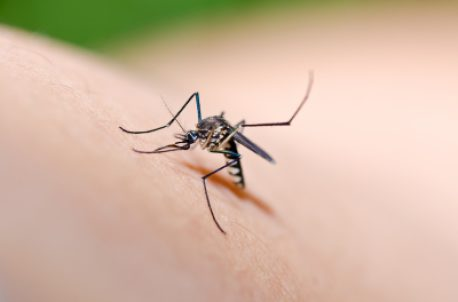
Milwaukee County saw a major spike in human West Nile virus cases reported in 2012, with the one-year total topping the previous decade combined. Patch has some helpful tips from state experts for protecting yourself against the virus this season.
The Wisconsin Department of Health Services announced Thursday that a dead bird in Washington County tested positive for the virus, marking the beginning of West Nile season in Wisconsin.
Milwaukee County had 27 human cases reported in 2012, while there was a total of 25 cases reported between 2002 and 2011, according to U.S. Geological Survey data. Paul Biedrzycki, Director of Disease Control and Environmental Health for the Milwaukee Health Department, isn't taking the increase lightly.
"We don't know what this year will look like, but last year was a big wakeup call," he told Patch Friday.
Of the 27 cases reported last year, 15 were in the City of Milwaukee, and the other 12 were reported elsewhere in the county, Biedrzycki said. Though he directs a city program, he plays a part in countywide surveillance.
Last year saw a nationwide increase in reported cases. Biedrzycki said there isn't consensus on the cause, but there was probably a "convergence of factors," such as prolonged periods of hot weather. The heat could reduce standing water, bringing birds and mosquitoes closer together and helping the virus spread more rapidly.
He also suggested that population density and the presence of a "robust" surveillance and reporting system could spell the difference between Milwaukee County and Ozaukee County, which has had only one reported human West Nile case since 2002.
Here are some helpful tips from the Wisconsin Department of Health Services on avoiding the virus:
- Limit time spent outside at dawn and dusk, when mosquitoes are most active
- Apply insect repellant to clothing as well as exposed skin
- Make sure window and door screens are in good repair to prevent mosquito entry
- Reduce mosquito breeding sites by properly disposing of items that hold water such as tin cans, plastic containers, ceramic pots, or discarded tires
- Clean roof gutters and downspouts for proper drainage
- Turn over wheelbarrows, wading pools, boats, and canoes when not in use so they will not collect water
- Change the water in birdbaths and pet dishes at least every three days
- Clean and chlorinate swimming pools, outdoor saunas, and hot tubs. Drain water from pool covers. Trim tall grass, weeds and vines, since mosquitoes use these areas to rest during hot daylight hours
- Landscape to prevent water from pooling in low-lying areas
- Seek treatment for children or older adults — or anyone with a compromised immune system — even when experiencing only mild flu symptoms
The virus cycles between birds and mosquitoes, and mosquitoes can transmit the virus to humans. That's why Diep Johnson, epidemiologist with the Wisconsin Division of Public Health, says preventing human infection takes a conscious effort — and not just from individuals.
"It takes the whole neighborhood to work together to do this," Johnson said. In other words, you can take the necessary preventative steps, but if your neighbor does not do so, you may be just as vulnerable.
About West Nile
About 80 percent of those infected by the virus do not experience symptoms, according to the Wisconsin Department of Health Services website. About 20 percent will experience mild symptoms such as "fever, headache, muscle pains, a skin rash, swollen lymph nodes and photophobia."Less than one percent will experience severe symptoms such as "high fever, neck stiffness, extreme muscle weakness, tremors, convulsions or disorientation."
Get more local news delivered straight to your inbox. Sign up for free Patch newsletters and alerts.