Health & Fitness
Zika Virus Cases Increase In Maryland, Precautions to Take
Maryland health officials urge residents to use mosquito repellant when they're outdoors over the 4th of July weekend to combat Zika virus.


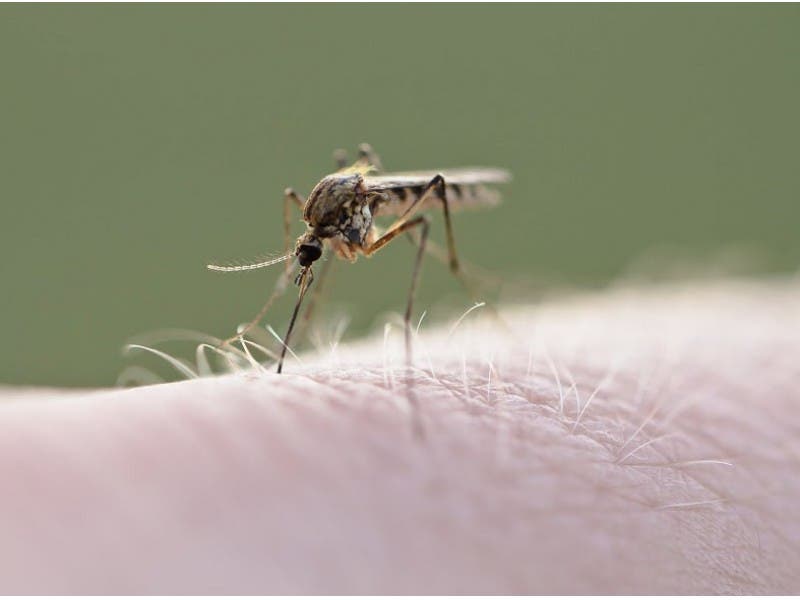
Annapolis, MD — Have your mosquito repellant handy as you spend time outdoors over the Fourth of July weekend, say state health officials, who note the number of Zika virus cases in Maryland has again increased.
There are now 31 confirmed cases of the virus in Maryland, according to new data released by the Centers for Disease Control. All of those people were infected with the disease while traveling to areas overseas where there are outbreaks of the virus, the CDC data shows.
“Maryland’s confirmed cases of Zika have all been tied to travel from areas where the virus is being actively transmitted,” said Health and Mental Hygiene Secretary Van T. Mitchell. “A traveler with a Zika infection who is asymptomatic, as most Zika-infected people are, could be bitten by a mosquito, which could spread the virus when it bites someone else. We want to guard against such occurrences here in Maryland.”
Find out what's happening in Dundalkfor free with the latest updates from Patch.
Residents should take steps to guard against Zika transmission given the link between Zika infection of pregnant women and the occurrence of birth defects in their babies. According to the CDC, Zika virus is chiefly spread through mosquito bites, though less frequently, transmission via sexual contact, blood transfusion and to newborns during pregnancy has been documented.
Zika is a mosquito-borne illness that is characterized by a fever, rash and joint pain. While the illness typically resolves within a week, some severe cases may require hospitalization. Aside from mosquitoes, Zika can be spread through sexual contact in some cases, the CDC notes.
Find out what's happening in Dundalkfor free with the latest updates from Patch.
People attending outdoor events this weekend and throughout mosquito season should use mosquito repellant with DEET, and eliminate sources of standing water in the backyards or other areas where they might hold a cookout.
The Maryland Department of Agriculture regularly conducts surveillance for mosquitoes, in cooperation with the Department of Health and Mental Hygiene, to determine if they are present and in certain cases, if they are carrying diseases like Zika or West Nile Virus. Those efforts will be enhanced in light of Zika.
»SEE ALSO: Mosquito Invasion: Tips from Maryland's Bug Guy
Meanwhile, authorities are scrambling to prevent the spread of the disease in the United States. Zika is spread by a specific type of mosquito — the Aedes aegypti mosquito. There is currently no vaccine for the virus.
Aedes aegypti mosquitoes were once thought to be a threat to only the southern United States. But the CDC map shows the mosquitoes reaching as far north as New York City, New Jersey and Pennsylvania.
Maryland's Department of Agriculture began spraying parts of the state in late May to kill mosquitoes. If there is a high risk of Zika virus transmission due to mosquito activity or a human case of Zika, the agriculture department will spray for adult mosquitoes within 24 to 48 hours in a target area to kill any adult mosquitoes that may carry the virus.
Zika Symptoms
In most cases of Zika, there are no symptoms. In a few cases, Zika can trigger paralysis (Guillain-Barré Syndrome).
When present, symptoms are mild and last less than a week. They include fever, rash, joint pain and red eyes. There's no vaccine or specific treatment. Instead the focus is on relieving symptoms and includes rest, re-hydration and acetaminophen for fever and pain. Aspirin and non-steroid anti-inflammatory drugs (NSAIDs) like ibuprofen should be avoided.
Tips from Maryland’s Bug Guy blog to avoid mosquito bites:
- Apply mosquito repellent to exposed skin before you go outdoors. He recommends any brand that contains up to 30 percent DEET.
- Place a small fan on your patio if you eat outdoors. The light breeze created by the fan will greatly reduce the number of mosquitoes flying and biting.
- Eliminate standing water by cleaning your gutters, dumping your birdbath twice a week, turning over your wheelbarrow, emptying the wading pool, and getting rid of water-filled containers.
- Add a soil microbe known as Bacillus thuringiensis israelensis, a.k.a. Bti, to an aquatic water garden or standing water on your property that could breed mosquitoes. The microbe comes in doughnut-shaped tablets that can be placed in water to kill mosquito larvae.
The CDC offers these tips to prevent the spread of the disease:
- Wear long-sleeved shirts and long pants.
- Stay in places with air conditioning and window and door screens to keep mosquitoes outside.
- Take steps to control mosquitoes inside and outside your home.
- Sleep under a mosquito bed net if you are overseas or outside and are not able to protect yourself from mosquito bites.
- Use Environmental Protection Agency (EPA)-registered insect repellents with one of the following active ingredients: DEET, picaridin, IR3535, oil of lemon eucalyptus or para-menthane-diol.
- To prevent the spread of sexually-transmitted Zika, condoms should be used properly.
"We do not know how long the virus can stay in the semen of men who have had Zika, and how long the virus can be spread through sex," the CDC says.
The Maryland cases were not broken down by region or county. Click here to view the full map of cases in the United States that the CDC updated Wednesday.
Get more local news delivered straight to your inbox. Sign up for free Patch newsletters and alerts.