Crime & Safety
Coronavirus Scam: Phony Cures, Risky Emails Target MD Consumers
Emails claiming to be from health organizations about the coronavirus may be attempts to steal MD consumers' data or sell phony cures.


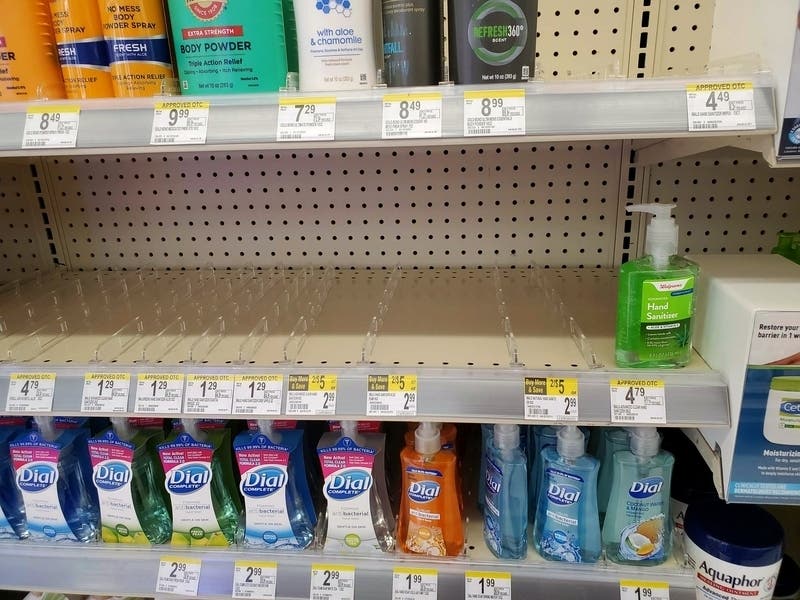
BALTIMORE, MD — Authorities are warning Maryland residents to be on guard against scams involving the new coronavirus disease, also known as COVID-19. Scammers are setting up websites to sell phony health products that claim to prevent or cure COVID-19, and using fake emails, texts, and social media posts about coronavirus as a ruse to steal money and personal information.
“Scammers are taking advantage of people’s fear of getting sick from COVID-19. Consumers can avoid being cheated by understanding how these thieves are trying to steal their personal information and money,” Maryland Attorney General Brian Frosh said in a release Friday.
There are no approved vaccines, drugs, or treatments specifically for the new coronavirus. Pitches for any health product claiming to prevent or cure coronavirus are almost certainly fraudulent, Frosh said.
Don't miss updates about precautions in Maryland as they are announced. Sign up for Patch news alerts and newsletters.
Posing as authorities with the Centers for Disease Control and Prevention in Atlanta or the World Health Organization, the scammers send emails claiming to offer updated information about how people can protect themselves from COVID-19, Frosh said. Unsolicited emails about the virus are likely phishing attempts to get money or you personal information, or may be an effort to download viruses or malware onto the recipient’s computer.
Do not click on suspicious links online or in emails for information, officials said. For the latest, most accurate information about the coronavirus, go directly to the CDC (www.cdc.gov), WHO (www.who.it), or the Maryland Department of Health (www.health.maryland.gov).
The Food and Drug Administration warns that fraudulent products not only fail to work, but they could also cause serious injury. Complaints against fraudulent health claims can be filed with the Federal Trade Commission at www.ftccomplaintassistant.gov or the FDA (www.fda.gov).
Someone asking for donations — especially in cash, prepaid credit cards, gift cards, or bitcoin — to help victims of COVID-19, or for research into finding a vaccine or cure, is likely a scammer, authorities said.
Check sites like www.charitynavigator.org to determine the legitimacy of a charity. Donors can also contact the Maryland Secretary of State’s Office at 800-825-4510 to verify that a charity is registered in Maryland as required by law.
The U.S. Securities and Exchange Commission is warning people about online promotions claiming that the products or services of publicly-traded companies can prevent, detect, or cure coronavirus, and that investment in these stocks will increase in value. These could be “pump-and-dump” schemes in which promoters hype up a stock, get many people to invest, and then sell off their own shares quickly for a profit before the end of the hype makes the stocks worthless.
You can report COVID-19 scams to the Consumer Protection Division by calling 410-528-8662.
Related:
Get more local news delivered straight to your inbox. Sign up for free Patch newsletters and alerts.