Politics & Government
DACA's Effect on Alabama's Economy: New Study Looks at Possible $1.16 Billion Fallout
A new study by the Cato Institute looks at what repealing DACA might do to the national and state economy.


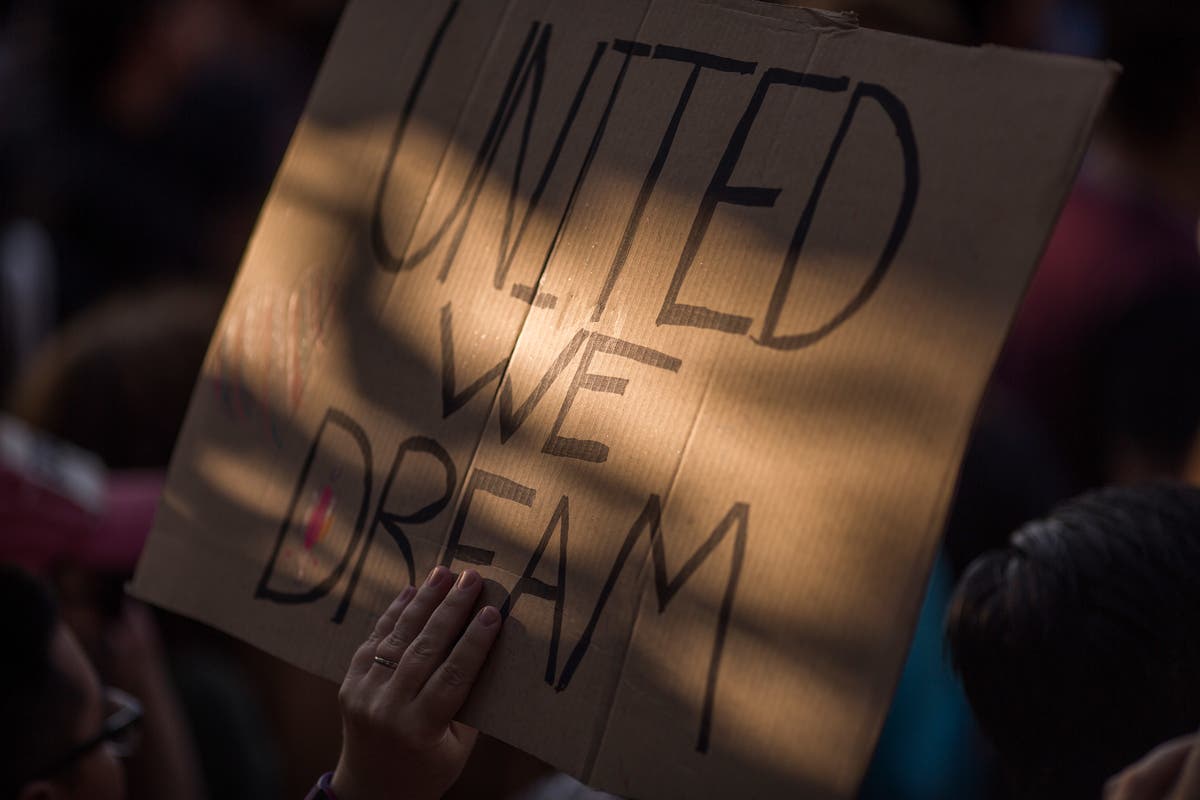
MONTGOMERY, AL - President Donald Trump's proposal to repeal DACA has been met with opposition from a bevy of directions, namely, of course, from those affected most by it, those referred to as "dreamers," who would be deported if the DACA law were taken away. Beyond the ethical concerns involved with Trump's plan, many economists have looked at what the economic effect the mass deportation of the "dreamers" might have on the country and individual states.
The Cato Institute's recent study determined the aggregate economic cost would be more than $200 billion and the cost to the government would be $60 billion, numbers Cato's Ike Brannon says are conservative estimates. "Most of this high cost is driven by the fact that the 'dreamers' tend to do well in school and as a result do well in the job market after they complete their education," Brannon said.
For Alabama, the budget costs would be approximately $258 million, with economic costs at roughly $925 million, for an estimated total of $1.18 billion.
Find out what's happening in Across Alabamafor free with the latest updates from Patch.
The Cato Institute began its original analysis by comparing DACA recipients to those immigrants who hold H-1B visas. The study found that these are high-skilled, well-educated immigrants who are demographically analogous to DACA students, all of whom must necessarily enroll in higher education programs in order to be eligible. (For more updates on this story and free news alerts for your neighborhood, sign up for your local Birmingham Patch morning newsletter.)
According to the study, the average DACA recipient is 22 years old, employed, and a student and 17 percent of them are on track to complete an advanced degree. The college attrition rate of DACA recipients is small compared to domestic students, an indication of the exceptional caliber of the DACA students and their degree of motivation, no doubt partly driven by the fact that dropping out of school for them can result in deportation. As well, H-1B holders are generally between 25 and 34, have an employment rate of nearly 100 percent , and have usually completed a college education. "We posit that they are akin to what DACA recipients will look like in a few years’ time," Brannon said.
Find out what's happening in Across Alabamafor free with the latest updates from Patch.
(Photo by David McNew/Getty Images)
Get more local news delivered straight to your inbox. Sign up for free Patch newsletters and alerts.