Community Corner
Church Bombing; Speedway Opens: September In Alabama History
Some famous Alabamians and significant landmarks in the state celebrate their births in September.


BIRMINGHAM, AL — September represents some significant milestones for the state of Alabama. Not only were some of Alabama's most famous natives born in September, but some of the state's major landmarks opened during the month as well.
With 2019 being Alabama's bicentennial, Patch looks at some of the important events occurring in September throughout Alabama history:
September 1, 1934: Following Alabama’s lead, a nationwide textile strike begins, with 15,000 Alabama workers among the 400,000 strikers nationwide. The strike ended September 22 after mediation efforts by the Roosevelt administration.
Find out what's happening in Birminghamfor free with the latest updates from Patch.
September 3, 1910: Boll weevils are first discovered on Alabama soil in Mobile County. The devastation the insect would cause to cotton throughout the South ultimately spurred agricultural diversification away from "King Cotton."
September 5, 1925: Centreville reaches the highest ever recorded temperature in Alabama when thermometers hit 112 degrees.
Find out what's happening in Birminghamfor free with the latest updates from Patch.
September 8, 1960: NASA’s George C. Marshall Space Flight Center in Huntsville is dedicated by President Dwight D. Eisenhower. Among many contributions to the U.S. space program, center director Wernher von Braun and his team developed the Saturn rockets that launched American astronauts to the moon in 1969.
September 12, 1913: Jesse Owens is born in Oakville, Alabama. Owens was one of the first U.S. athletes who combined talents as a sprinter, low hurdler, and broad jumper. In 1936, he won four gold medals at the Berlin Olympics: in the 100 meter, 200 meter, broad jump, and as a participant on the 400-meter relay team.
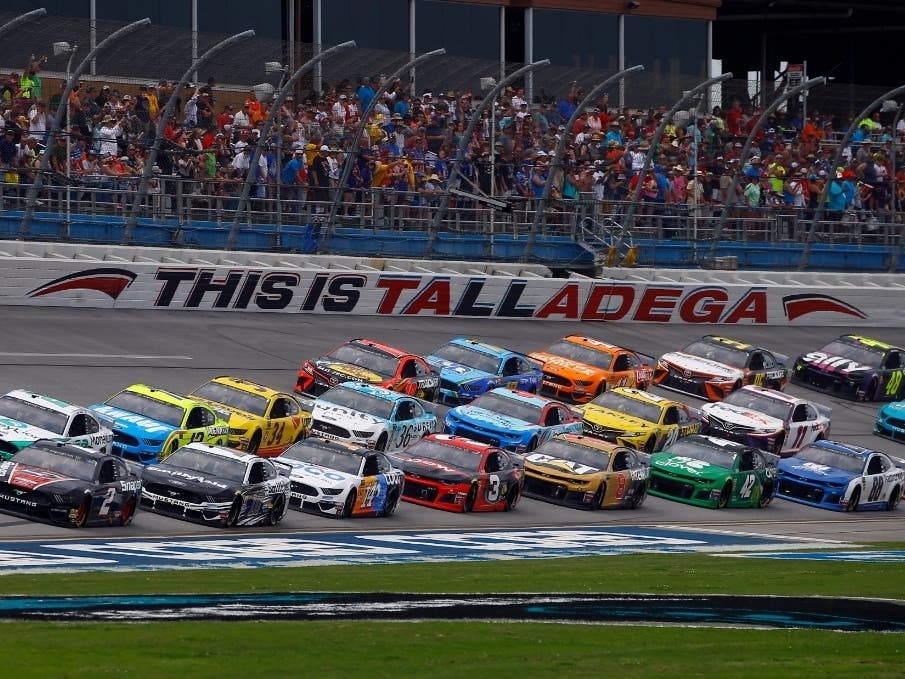
September 14, 1969: Talladega Speedway opens with its first running of the Talladega 500 which is won by Richard Brickhouse. Some drivers boycotted the first run saying the track was unsafe at high speeds. The facility cost $4 million dollars to build and attracted a crowd of 65,000 to the first major race.
September 15, 1963: Four black girls are killed and 21 others are injured when a bomb explodes at Birmingham’s 16th Street Baptist Church, a center for nearby civil rights demonstrations the previous spring. Three Klansmen accused of the bombing were convicted: one each in 1977, 2001, and 2002. A fourth suspect who died in 1994 was never put on trial.
September 17, 1923: Hank Williams is born in Georgiana, Alabama. After his first appearance on Nashville’s Grand Ole Opry in 1949, the singer-songwriter went on to become a country music legend despite his death in 1953. His grave is located in Montgomery’s Oakwood Cemetery.
September 20-21, 1819: The state's first general election for governor, members of the U.S. Congress, legislators, court clerks, and sheriffs is held. Held on the third Monday and following Tuesday of September, the voters elected William Wyatt Bibb as the state’s first governor.
September 30, 1893: Julia Tutwiler persuades the Board of Trustees of the University of Alabama to try a qualified form of co-education. A faculty committee agreed to "admit young women of not less than 18 years of age, of good character and antecedents, who are able to stand the necessary examinations: for entrance to the sophomore class or higher." In the fall of 1893, two women students entered the university.
Get more local news delivered straight to your inbox. Sign up for free Patch newsletters and alerts.