Politics & Government
City Works Toward Plan To Help Tuscaloosa Bar Owners
Mayor Walt Maddox is currently working on a plan to provide to the City Council that would see additional aid doled out to bars


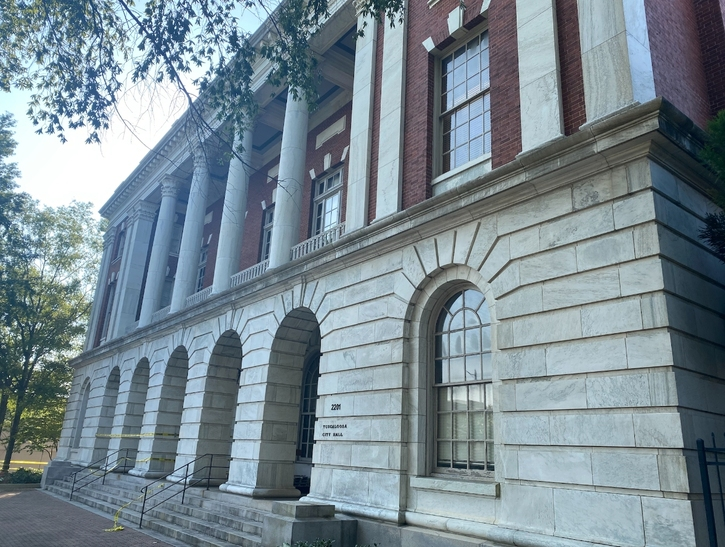
TUSCALOOSA, AL. — Tuscaloosa bar owners may be on the receiving end of some needed financial help during the mandated two-week shutdown that went into effect Monday night. Tuscaloosa Mayor Walt Maddox during Tuesday's Public Projects Committee meeting received permission to begin formulating a relief plan to be presented to the City Council at its regular meeting next Tuesday.
The measure was presented by city officials who used data from 2019 to project the expected financial loss for local bars and restaurants during the shutdown. If the bars this year lost the same amount over the same period last year, the mayor's office projects the city forgoing $28,000 in sales tax, while businesses would lose out on in between $337,000 - $466,000 in alcohol sales over the 14-day period.
The primary bars impacted are those with lounge licenses, who don't offer food or additional amenities that provide loopholes when it comes to the type of service offered on paper.
Find out what's happening in Tuscaloosafor free with the latest updates from Patch.
Maddox hopes a plan to help the 29 bars affected will provide the funding to mitigate any burden on the establishments. The onus will be on the city, though, for the timetable in making that happen.
"We have to move fast," Maddox said. "If the goal is to get these businesses through the next two weeks, then we need to move in this same time period."
Find out what's happening in Tuscaloosafor free with the latest updates from Patch.
The mayor then said for the upcoming fiscal year, $1.5 million was budgeted for "experience economy," roughly $400,000 of which could be used to help the bars recover any losses over the next two weeks. The money, as described during the meeting, would be initially allocated for Restart Tuscaloosa, but redirected for small business relief.
District 4 Councilman Lee Busby suggested setting an up-to amount for the initiative, based on the pull of demand as opposed to pushing out the money available. The first rounds of Restart Tuscaloosa through the Small Business Relief Fund saw $1 million awarded over seven phases beginning in June.
"I do not think the starting point should be let's take $400,000 and push it out," he said. "We can set an up-to amount from the damage we assess."
District 5 Councilman Kip Tyner agreed with the need for action, but pointed out his surprise in saying over half of the businesses that were forced to shut down did not apply for funds under the Restart Tuscaloosa Small Business Relief Fund.
"Since what has been done [with the closures], I feel like we should do what we can," Tyner said, voicing support for a new round of aid to the bars in need of assistance.
The mechanisms already in place for Restart Tuscaloosa could prove a valuable model to go off of for a possible next round of funding, the mayor said.
"We as a team want to provide the accountability and review measures needed in a process like this," Maddox said. "I would ask us to look at how good Restart has been. I would hate for us to try to reinvent the wheel."
Several bar owners spoke during the public comments portion of Tuesday night's regular City Council meeting, but perhaps the sharpest criticism of the mayor's latest executive order came from Tuscaloosa businessman Stan Pate, who showed up to the meeting with a "gift bag" for Maddox.
According to Pate, the red cloth grocery bag contained an array of items that those hurting financially are all too familiar with, such as saltine crackers, mayonnaise, bologna and other items he described to the council.
"I know this menu," Pate said. "I can speak from experience."
Pate went through a long list of ills he believed to be brought on by the executive orders issued from the mayor's office due to their negative economic impact. At one point, Pate told the mayor to invest in park benches.
"The homeless coming in Tuscaloosa are going to need them," Pate said.
Conversely, the other public comments were more focused on bridging the gap with city leaders to find a compromise that would allow bar owners to stay operational.
Jeanette Walters, owner of Scooter's Bar, asked if the city had considered limiting the ages for bar patrons, as her business primarily serves an older clientele.
"In the situation we’re in right now, instead of closing all the bars," she said. "Why can’t you possibly raise the age limit where the kids can’t come in the bars?"
City Attorney Glenda Webb pointed out that age restrictions are a highly-litigated issue and because of disparate impact, it was recommended the city not have an age-limiting discussion for the executive order.
Session Bar owner Hunter Wiggins also spoke to the latest shutdown, saying his bar was not "one of the individuals who have put us in the predicament."
Wiggins said he had furloughed 14 employees, despite reopening and observing all of the proper guidelines, while also relying on table service — a concept he had incorporated and leaned on for the location's atmosphere even prior to the pandemic.
Lobbying for a compromise that would see his and other bars reopened without bar counter service, Wiggins stressed the importance of both the city and businesses working together to get to the other side of the crisis.
"These are weird times and there isn’t a handbook on how to operate in a pandemic and everybody in my industry needs to give a little bit in how they operate so we can get to football season," he said.
An issue raised by Harry's Bar owner Jake French during public comments focused on the lack of communication ahead of Monday's directive, which abruptly prohibited bars from operating after 5 p.m. the day it went into effect. The decision by the mayor came after 531 new COVID-19 cases had been identified on the UA campus over the last week, with fears of further spread throughout the community that could jeopardize football season and in-person instruction at UA.
French told the Council that a couple of weeks ago his sales were down 80%, but undeterred, he said the hope was to push through. However, Monday's news "blindsided" him.
"The first time I heard anything, I didn’t get an email and I didn’t get a phone call," he said.
"Not once was I asked 'what do you think?,'" French later added.
Reagan Starner, owner of R & R Cigars, also addressed the Council during the public comments portion, citing his business as one of the 29 who will have to cease bar service.
At his location, Starner said the focus is on an intimate setting dedicated to customer service, which has scaled back on its capacity to only 25 people inside at one time. His clientele, he described, is not one likely to consist of college students cramming into an establishment.
"I’d rather be able to work and make that money then take it from you guys," he said.
While many expressed doubts that the shutdown would last two weeks and be lifted, Maddox earlier in the day Monday left the possibility on the table for adjustments.
"Just because we said 14 days," he said. "It doesn’t mean 14 days and we won’t take action."
Get more local news delivered straight to your inbox. Sign up for free Patch newsletters and alerts.