Schools
Federal Judge Sides With UA In Early Court Battle Over Closure Of Student Magazines
A federal judge has denied a request from UA students seeking to force the school to reinstate two student-run magazines.


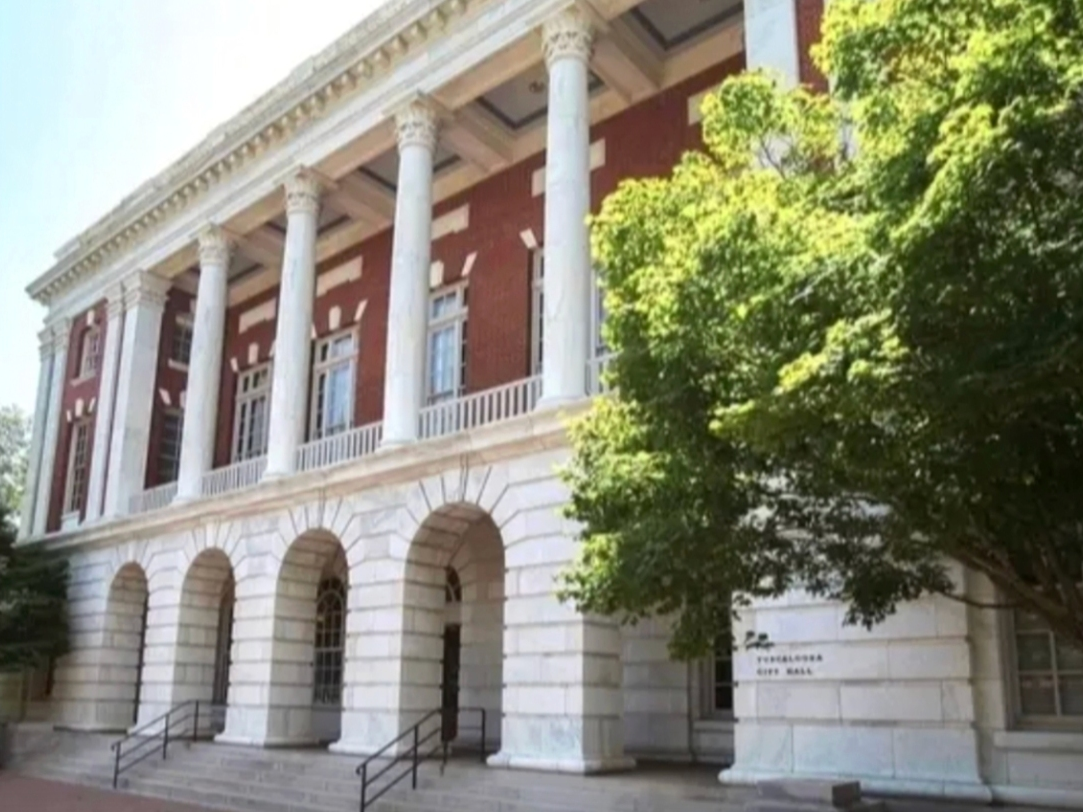
TUSCALOOSA, AL — A federal judge has denied a request from University of Alabama students seeking to force the school to reinstate two student-run magazines that were shut down late last year.
Click here to subscribe to our free daily newsletter and breaking news alerts.
United States District Judge Edmund LaCour Jr. instead ruled last week that the university likely did not violate the First Amendment when it closed the publications and replaced them with a broader student magazine.
Find out what's happening in Tuscaloosafor free with the latest updates from Patch.
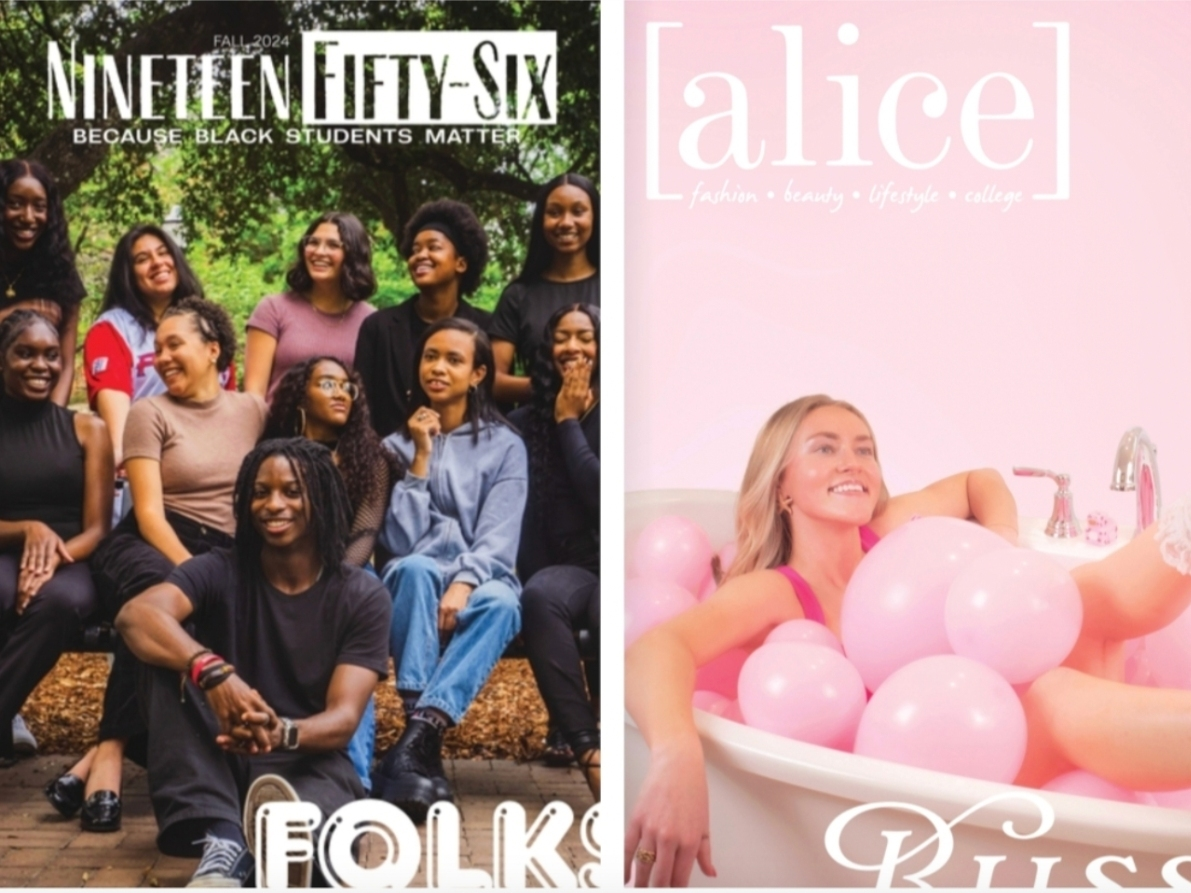
As Patch previously reported, Alice Magazine and Nineteen Fifty-Six were informed in early December 2025 that the two publications would be permanently shut down because they did not comply with new federal regulations.
Following a letter last summer to federal agencies from U.S. Attorney General Pam Bondi, UA leadership cited concerns that identity-focused student media programs could create legal exposure under federal anti-discrimination guidance issued by both the U.S. Department of Education and Department of Justice.
Find out what's happening in Tuscaloosafor free with the latest updates from Patch.
Alice Magazine was described as a publication “by and for women,” while Nineteen Fifty-Six was founded as “a Black student-led magazine that amplifies Black voices."
In a 37-page ruling issued Thursday, Judge LaCour, who was appointed to the federal bench by President Donald Trump in August 2025, denied a motion for a preliminary injunction filed by eight students connected to the now-defunct publications.
According to the ruling, university officials concluded the magazines’ “by and for” focus on a single race or sex could raise compliance concerns under federal law, particularly following guidance warning schools about programs perceived as exclusionary even if technically open to all students.
Judge LaCour ruled the students were unlikely to succeed on the merits of their First Amendment claims, finding the university’s decisions regarding which student publications to sponsor and fund constituted government speech and academic discretion.
“The Free Speech Clause does not empower me to second-guess that judgment,” Judge LaCour wrote in the opinion.
The judge also concluded the university’s actions were content-based rather than viewpoint discrimination, writing that the decision to discontinue the magazines was tied to their identity-specific focus rather than an effort to silence particular perspectives.
Judge LaCour went on to note that the university is replacing the publications with a new general-interest magazine intended to include “voices from all backgrounds and perspectives.”
The Student Press Law Center criticized the ruling Friday, warning it could weaken legal protections for student media nationwide.
“The court’s decision flies in the face of nearly six decades of student press law that clearly designates student media as student speech, not government speech,” Student Press Law Center Senior Legal Counsel Mike Hiestand said in a statement. “Not only does the ruling permit the University of Alabama to get away with a blatant example of censorship, but it also jeopardizes the First Amendment rights of college student journalists nationwide.”
The nonprofit also criticized the court’s reliance on the U.S. Supreme Court’s 1988 Hazelwood v. Kuhlmeier decision, a case that gave public high schools broader authority to regulate student newspapers.
“Over the last year and a half, we’ve seen college administrators across the country fold to demands to target student speech that in years past would have been recognized and protected as part of the university’s unique function as a ‘quintessential marketplace of ideas,’” Hiestand said. “This end-around the First Amendment to gut protections for college student media poses a risk to the independence of all college student media in America.”
The center said the ruling represents a departure from decades of precedent treating college student media as protected student speech rather than university-controlled speech.
The lawsuit remains ongoing despite the denial of the preliminary injunction.
Have a news tip or suggestion on how I can improve Tuscaloosa Patch? Maybe you're interested in having your business become one of the latest sponsors for Tuscaloosa Patch? Email all inquiries to me at ryan.phillips@patch.com.
Get more local news delivered straight to your inbox. Sign up for free Patch newsletters and alerts.