Arts & Entertainment
Tuscaloosa Bar Owners Express Frustrations After Abrupt Closures
Mayor Walt Maddox issued an executive order Monday closing all bars for the next two weeks, while prohibiting bar service at restaurants


TUSCALOOSA, AL. — It came as a shocking move to many Tuscaloosa bar and restaurant owners Monday when Mayor Walt Maddox issued an executive order closing all bars and prohibiting bar service at restaurants for the next two weeks.
While these establishments have taken hit after hit since the onset of the COVID-19 pandemic, the new shutdown has many local business owners worried about the uncertainty the next two weeks will bring. They are worrying about the future from a public health standpoint, but are also scared for their livelihoods.
Along otherwise busy locations like Greensboro Avenue, it was unusually quiet, even for a Monday during a pandemic, as many bars were already closed for the day or never opened ahead of the 5 p.m. cutoff.
Find out what's happening in Tuscaloosafor free with the latest updates from Patch.
"Other bar owners have reached out to me and were all pretty upset that this came out of nowhere and the last week of the month," said Chad Smith, owner of Alcove International Tavern and co-owner of Loosa Brews. "We all have rent and insurance and all of our bills are due at the first of the month. The last weekend of the month is a big part of all of us being able to pay our bills, and that was just swept out from under our feet by an executive decision that didn’t involve us."
Alcove didn't even attempt to open its doors on Monday, according to Smith, as the popular establishment's normal business hours were set to begin at 4 p.m.
Find out what's happening in Tuscaloosafor free with the latest updates from Patch.
Brandon Hanks, owner of The Booth, told Patch that he and others would have preferred a heads up from city officials considering Monday was an inventory day, but said the sharpest pain will be felt by his employees who will be out of work for the next two weeks.
In looking at the specific changes, Hanks said it's hard not to feel targeted as a lounge liquor establishment, while other bars who only serve beer can shift to table service and remain open.
"Our employees are in a panic because most of them depend on this to maintain their rent while they are taking classes," he said. "There wasn’t an option on working with anybody and they didn’t say this is because nobody is doing what they are supposed to be doing. There were no citations for occupancy. Instead of sitting down with us, they made a move and went right after the bars."
One option Hanks provided as an example would have seen his bar serve only beer by table service to allow it to still be in business. However, the expressed approach from the city focused more on addressing rising cases as opposed to the nightlife that reportedly was contributing to the spread.
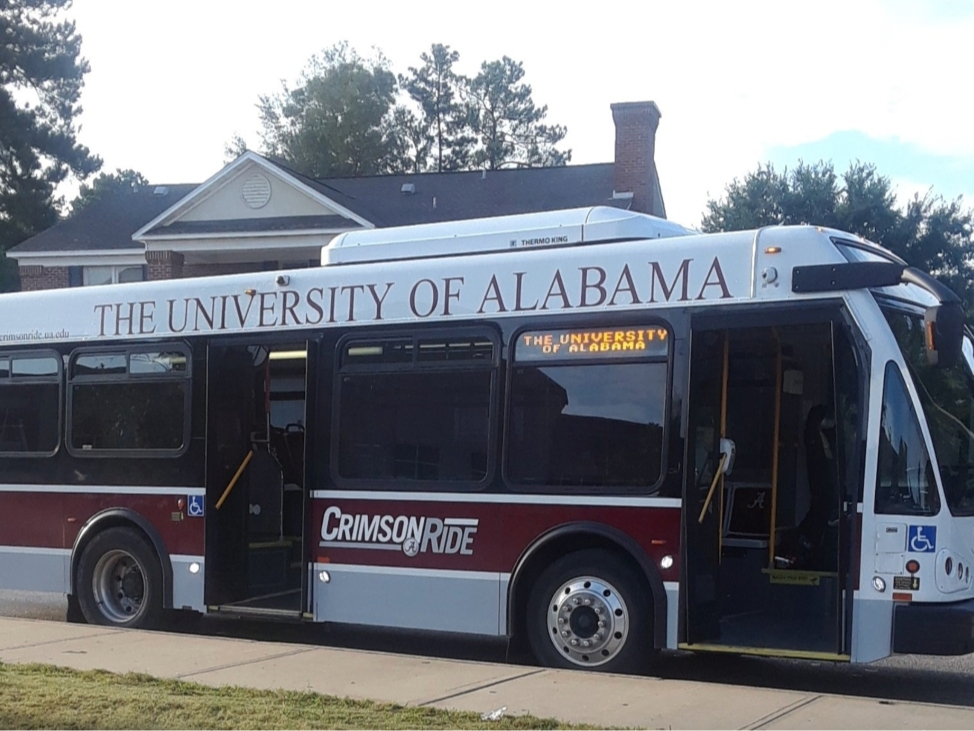
The directive from Maddox comes after a sustained increase in new cases of the novel coronavirus reported on the University of Alabama campus. This rise in cases, which university health officials said was noticed at least in part from the Greek system, resulted in swift action by the city, following the recommendations of the UA Situational Response Team and other experts.
As of Monday, the University of Alabama reported 531 cumulative positive COVID-19 cases at the Tuscaloosa campus.
The new regulations also come on the heels of Tuscaloosa receiving negative nationwide attention a little more than a week ago when a post-Bid Day crowd flooded the Strip and spurred the first arrests by the Tuscaloosa Police Department as it enforced the statewide mask mandate.
Smith told Patch that apart from being taken completely by surprise, the order also drops the hammer on bars who had been following all of the appropriate public health guidelines for reopening since the last shutdown.
"I was hoping it wouldn’t be this extreme, just blanket across the bar industry," he said. "At Alcove, we don’t even cater to the college crowd. It’s citizens of Tuscaloosa that pay our bills ... now we’re out of work for two weeks."
After weathering the first shutdown in March, the prospect of another protracted closure is a hard reality to face for Smith and others, as the bar owner told of watching some other businesses flaunt the mandates while he worked to observe all of the necessary standards to keep his staff and customers safe.
Reagan Starner, owner of R & R Cigars, told Patch that a week ago the conversations concerned shutting down restaurant bar service. However, that emphasis was then placed on shutting down bars completely.
"How can you tell bar owners in Tuscaloosa it's ok to go to bingo night at Moe's but not be able to enjoy a cocktail at Gray Lady?" Starner asked. "How can you buy a beer at World of Beer, but not Loosa Brews? Once again, governments are picking winners and losers while business owners hold the bag."
Ahead of the Monday shutdown, Smith said Alcove was operating at 50% occupancy, with limited seating and hours. The bar had already taken a financial hit in losing the older segment of its clientele, he said, as many customers chose to no longer go out due to the ongoing pandemic.
"We’re a professional environment, geared toward young to older professionals," he said. "Now, we’re being forced to completely shut down for a dynamic we’re not even involved with, so it's just gotten even more frustrating."
Jake French, owner of Harry's Bar, told Patch that those in the bar industry, especially the smaller businesses, feel targeted without being presented with any real evidence to show that their continued operation has had any impact on the spreading of the virus.
"With the mayor shutting the bar businesses down again in Tuscaloosa, we have yet to see any information that says 100 people in a bar setting will spread this virus more than 15,000 people in Walmart, Lowe's or any big-box store. They say two weeks, but everyone here knows it will be longer."
Hanks also mentioned big-box stores such as Target, Lowe's and Walmart, which see much bigger crowds than bars or restaurants and are allowed to continue operations, despite being a known source for potential transmission.
"These same places are transmitting it like crazy and to say college students aren’t there, they are," Hanks pointed out. "To see them in large groups and at restaurants and then say you’re going to pin it straight on bars or house parties?"
Now that all of his employees are headed for unemployment, Hanks said they are doing so under the assumption that the emergency order will be lifted and not extended further in two weeks. He said he has insisted to employees that the closure will likely be for longer than the initial order due to the closing of some businesses, while others are allowed to stay open.
"[Bar goers] are going to pile up in the other places and get in trouble," he said. "Look at Nashville, they continue to extend it ... Everybody is playing catch up as it is, too."
French then said it's important for citizens to question what he views as a government overstepping its authority in once again shutting down bars.
"Are we at a point in American history where the Constitution, the bedrock of our great nation, is continuously undermined by politicians with no recourse?," French asked. "These are some questions that the citizens of Tuscaloosa really need to start asking our leaders and demand answers for."
Separately, the question Smith continues to ask is "why?"
"Why is the university not holding some other responsibility for this?" he said. "Why aren’t all the college kids banned from bars and threatened with fines? Why are local businesses and local employees being shut down instead of preventative measures placed on UA students? Why are decisions being made that are not geared by recommendations?"
Smith then said UA should be held accountable for the students and their behavior, not the bar industry, as it was the university that opted to bring all of its students back for in-person instruction.
"It feels like only the bars are targeted while the fact is that all these kids live in student housing that are the equivalent of cruise ships on land," he said. "What did they think was going to happen when they brought them all back? In addition, there’s still no talk about all of them working out in gyms and going to church and everything else that they do. Instead, it’s just blanket regulations slapped on the bar industry."
The owner of two bars, Smith said there has been plenty of mention lately that the city would communicate with local business owners to work toward the best possible plan. However, he feels like the majority of bars have been left out of any discussion.
"This is not the first time here recently that all of a sudden we hear the city is going to be discussing this with bar owners," he said. "Maybe it's because I don’t own college-kid bars, but I should be looped in also. I represent another demographic that is getting inadvertently negatively affected."
Hanks agreed, saying there was no communication from the city to allow time for business owners to prepare or have a say in the matter before the emergency executive order went into effect Monday night.
"I didn’t know anything about this until Sunday," he said, mentioning the rumors that began to circulate about the direction the city would go. "I had to call the mayor's office to get on the call. I know Walt Maddox is in a tough spot, he can't win with either side in this, but just a little bit of warning, a little bit of 'let's work with you.' At least the restaurants can continue on, but we’re just completely out of the equation."
Smith says he plans to begin asking all of the aforementioned "why?" questions over the next two weeks, in addition to asking questions about monetary aid — an idea that was floated by Maddox during Monday's press conference at Manderson Landing.
"You’ve got X-amount of employees and money has got to be given to them," Smith said. "Rent is due in a week, there's insurance, liability insurance. All these things come in and we are cut off without another two weeks. That is just kind of taken from us."
Hanks also mentioned the possibility of short-term funding, but cited past experiences in expressing his doubt of how much help his business will receive.
"The biggest thing I want to push is our employees, so we can go get some kind of funding to help the bars out," he said, before mentioning the $1 million given out in seven phases to local businesses as part of the Restart Tuscaloosa initiative. "We applied from the very beginning and we never saw a penny. Numerous bars around us received money. But my question is are they saying the same thing this time? Are we going to be in the same boat this time?"
Starner, who has a liquor license for his specialty cigar shop, lamented the reality that his business will likely survive the new shutdown, while others won't.
"This is an unnecessary measure that will cripple already hurting businesses," he said. "There's no federal money or state money that's coming in to bar owners to offset these new shut downs. "Bars will close. UA and the city only have themselves to blame when it happens."
The bar business has floundered in the months since the onset of the pandemic, but Smith reiterated that there haven't been any virus-related issues encountered after his bars implemented stringent protocols to combat the spread, which stayed in line with local and state mandates.
"We've had no spike in sales since the college kids came back," he said. "We’re not affected by them, but now we are."
Get more local news delivered straight to your inbox. Sign up for free Patch newsletters and alerts.