Schools
UA Survey Aims To Understand Challenges Faced By Women Veterans
The study aims to gather responses from 3,000 women veterans to better understand the challenges they face transitioning to civilian life.


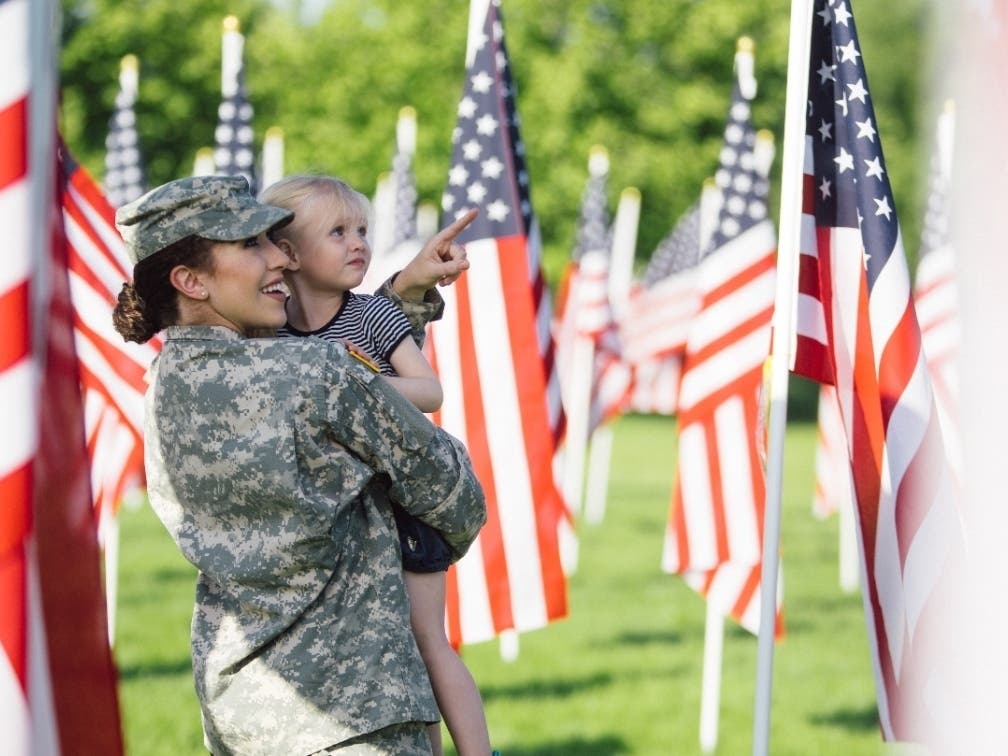
TUSCALOOSA, AL — A national survey of veteran women being conducted by researchers at the University of Alabama is geared toward providing the first comprehensive look at the challenges in transitioning to civilian life. The survey also will provide veteran service organizations with data needed to expand outreach and better meet needs.
UA clinical associate professor in educational research Dr. Karl Hamner is leading the effort with Dr. Kate Hendricks Thomas — a UA doctoral graduate, Marine Corps veteran and current adjunct instructor at George Mason University’s Department of Global and Community Health.
Led by The University of Alabama, the survey asks women about their time in the armed forces along with their needs and preferences in transitioning out of the service, along with looking to chronicle experiences of women veterans in civilian life.
Find out what's happening in Tuscaloosafor free with the latest updates from Patch.
Find out what's happening in Tuscaloosafor free with the latest updates from Patch.
- The Department of Veterans Affairs reported in 2019 that there were 40,696 women veterans living in Alabama.
- Women currently make up 16% of U.S. enlisted forces and 19% of officer corps.
- The suicide rate for female veterans is 2.1 times more than civilian women, while the rate for male veterans is 1.3 times that of civilian men.
- Survey aims to gather responses from 3,000 women veterans
“A lot of people assume the experiences of women in their transition are really no different than of men, but that’s not the case,” Hamner said. "Both recent research and the personal accounts of women themselves show us that many women who served are having trouble, but we don’t have a good picture of why. There is a lack of data, and this assessment will provide a baseline of information in a lot of areas.”
Thomas said she struggled with all the stereotypical issues veterans face after leaving the military, such as alcohol abuse, depression, loneliness and choosing toxic relationships. However, she said in connecting with other women veterans she was able to find both camaraderie that stopped her feeling alone in her transition as well as strategies to cope and move forward.
“I really struggled with my transition for a number of years,” Thomas said. “I was ready to leave the Marine Corps, but it was incredibly hard to become a normal girl again. Our transition needs are just different from men ... Once you let your hair out of the bun you wore in active duty, you don’t stand out anymore. You don’t get identified as a veteran very often. You can become invisible.”
The anonymous, private survey is estimated to take between 20 and 30 minutes, and only summary-level data will be reported.
Women who want to participate can visit the online survey or contact Hamner at khamner@ua.edu or Thomas at katehendricksthomas@gmail.com.
Have a news tip or suggestion on how I can improve Tuscaloosa Patch? Maybe you're interested in having your business become one of the latest sponsors for Tuscaloosa Patch? Email all inquiries to me at ryan.phillips@patch.com.
Get more local news delivered straight to your inbox. Sign up for free Patch newsletters and alerts.