Health & Fitness
Coronavirus: Arizona Should Plan Now For Pandemic, CDC Says
A top Centers for Disease Control and Prevention said it's only a matter of time before the new coronavirus reaches Arizona communities.


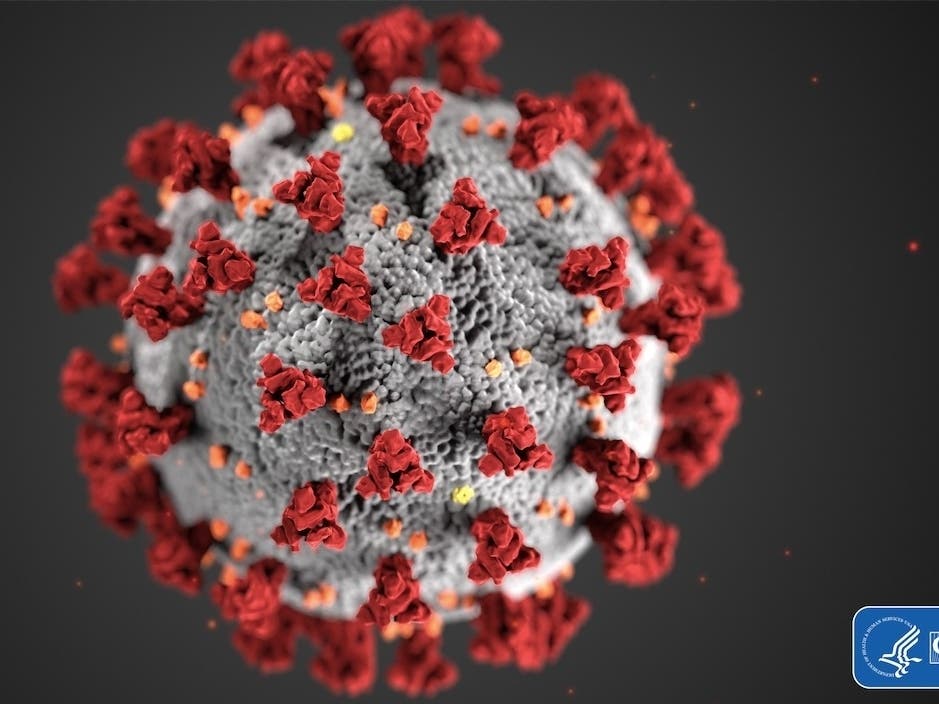
It’s only a matter of time before the new coronavirus spreads to communities across the United States, including Arizona, a top Centers for Disease Control and Prevention official warned Tuesday.
Dr. Nancy Messonnier, the director of the CDC’s National Center for Immunization and Respiratory Disease, told reporters in a conference call the question is no longer if the coronavirus, now officially called COVID-19, will spread across the United States but when that will happen.
Communities, schools and businesses in Arizona and elsewhere should begin preparing now for “the expectation that this could be bad,” Messonnier said.
Find out what's happening in Across Arizonafor free with the latest updates from Patch.
“I understand this whole situation may seem overwhelming and that disruption to everyday life may be severe. But these are things that people need to start thinking about now,” she said. “You should think about what you would do for child care if schools or day cares closed.”
One case of the new coronavirus has been confirmed in Arizona involving a person affiliated with Arizona State University who had traveled to Wuhan, China, the center of the outbreak. That individual has recovered.
Find out what's happening in Across Arizonafor free with the latest updates from Patch.
Related: Arizona Coronavirus Case Confirmed
Globally, at least 80,000 people have been infected and 2,700 people have died from the new coronavirus, creating a global pandemic, according to the World Health Organization. It is spreading so quickly overseas that infectious disease experts and scientists warn there may be no way to contain it.
The CDC said Monday that 53 cases of COVID-19 have been confirmed in the United States. Three dozen of the patients are among passengers repatriated from the Diamond Princess cruise ship quarantined for weeks off the coast of Japan; three patients were infected in Wuhan, and the others contracted the virus while traveling abroad.
World Health Organization Director-General Tedros Adhanom Ghebreyesus said in a news conference Monday the “sudden increase in new cases” outside of China is “deeply concerning.”
Flu Versus The New Coronavirus
The symptoms of the new coronavirus are similar to seasonal influenza, according to Johns Hopkins Medicine. Both are infectious respiratory illnesses, but they’re caused by different viruses.
Both cause fever, cough, body aches and fatigue, and can result in pneumonia. Both illnesses can sometimes cause vomiting and diarrhea. Both can be spread from person to person by sneezing, coughing or talking.
Common good-health practices such as frequent hand-washing, covering coughs and staying home from work or school during the course of the illness can help control the spread of both illnesses.
Neither responds to antibiotic treatment, but both may be treated by addressing symptoms, such as reducing fever. Both illnesses can be severe enough to require hospitalization.
But there are some distinct differences between the two:
Flu is caused by several different types of viruses, while COVID-19 is caused by the new coronavirus, which is also called severe acute respiratory syndrome coronavirus 2, or SARS-CoV-2.
Johns Hopkins says there is some evidence COVID-19 could be airborne, “meaning that tiny droplets remaining in the air could cause disease in others even after the ill person is no longer near.”
There is no vaccine to protect against the new coronavirus, as there is against influenza. Scientists around the world are racing to find a vaccine for the new coronavirus, although none currently exists.
A company based in Cambridge, Massachusetts, has shipped vials of its novel coronavirus vaccine to the National Institute of Allergy and Infectious Disease for further research.
Get more local news delivered straight to your inbox. Sign up for free Patch newsletters and alerts.