Community Corner
Performing Black Bears Retired To Arizona Sanctuary
Five American black bears that were part of a traveling show have been retired to a wildlife sanctuary in Arizona.


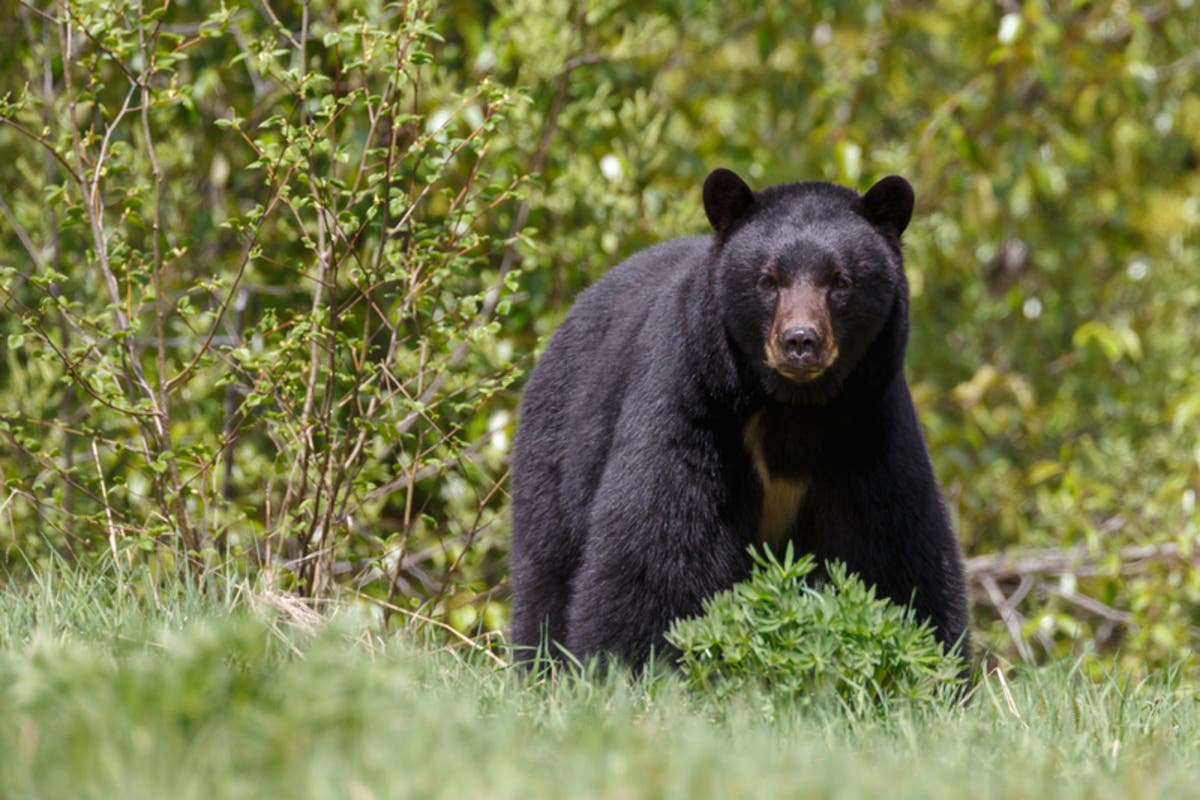
VALENTINE, AZ — Five black bears made to perform at fairs as far away as Michigan, Washington and New Jersey will live out their lives in Arizona after the owner of “The Great Bear Show” announced his retirement. Animal-rights activists had for years criticized the traveling bear show as cruel and inhumane, and proclaimed a victory in owner Bob Steele III’s decision to retire the bears.
The bears — Andy, Cindi, Brock, Bucky, and Barney — have been moved to Keepers of the Wild Nature Park, a nonprofit animal sanctuary located in Valentine in northwestern Arizona.
As part of the show, which ran for 41 years, bears were confined to barren cages, chained to chairs so people could have their photos taken with them, and performed tricks, such as rolling a barrel. People for the Ethical Treatment of Animals, which led a years long campaign against Steele’s traveling bear show, said the performance routines were confusing and often physically uncomfortable.
Find out what's happening in Across Arizonafor free with the latest updates from Patch.
Steele said in a news release that health issues were a consideration in his decision to retire. A statement on The Great Bear Show website says that “after 41 years of service and education, we have decided to retire.”
The bears arrived in May at the newly restored habitat at the Keepers of the Wild Nature Park at the request of Steele, Linda Khachatoorian, the organization’s education program coordinator, told the Arizona Republic.
Find out what's happening in Across Arizonafor free with the latest updates from Patch.
“This has been a long time in coming,” Jonathan Kraft, founder and executive director of Keepers of the Wild, said in a statement. “We have been working for the past three months retrofitting a former tiger habitat to accommodate the five bears. We appreciate everyone that has helped with the project: staff, volunteers and all of our fantastic supporters.”
Caring for the bears will cost about $7,000 a year, Khachatoorian told the Arizona Republic. They’re currently going through rehabilitation, which includes various enrichment activities and more nutritious diets.
PETA helped fund the improvements to the park, including a swimming pool and shade platforms. The organization regularly raised concerns about the bears’ welfare with U.S. Department of Agriculture regulators, though Steele denied on his website that his show had ever been cited by the USDA for violation of the Animal Welfare Act.
Instead, he said on the website that PETA’s concerns were false and that he “always treated and respected (our) animals and friends,” the Arizona Republic said.
American black bears are the smallest and most widely distributed bear species in North America, where there are about 600,000 of them. Arizona has about 3,000 black bears, a fraction of the 600,000 in North America, but the performance animals couldn’t survive in the wild after years of depending on humans for their care, Khachatoorian said.
“None of these bears will be able to survive in the wild,” she said. “Our plans are to take care of them, and give them a long, happy and healthy life.”
File photo via Shutterstock / media_digital
Get more local news delivered straight to your inbox. Sign up for free Patch newsletters and alerts.