Health & Fitness
Lettuce Linked To Parasitic Outbreak May Have Reached CA Restaurants, FDA Now Says
The FDA expanded the lists of states that where lettuce linked to a widespread cyclospora outbreak may have also been sold.

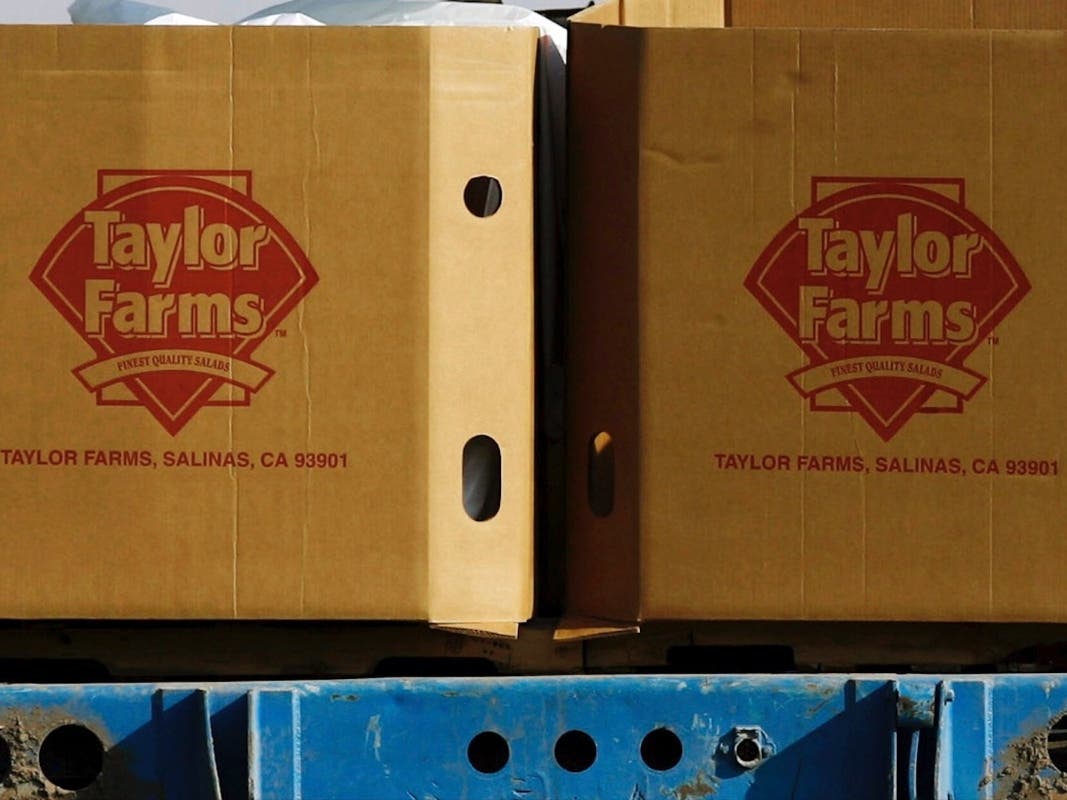
SALINAS, CA — Federal officials confirmed Thursday that lettuce recalled by Taylor Farms after it was linked to a widespread cyclospora outbreak may have also been distributed to California, as well as six more states and two jurisdictions.
For weeks, the Golden State consumers were not informed of the potential exposure.
On Thursday, the Food and Drug Administration announced the recalled iceberg lettuce may have been distributed to California, Delaware, North Dakota, Rhode Island, South Dakota, Vermont and Washington state, as well as Washington D.C. and Puerto Rico. Earlier this month, the FDA confirmed distribution to 31 states.
Find out what's happening in Across Californiafor free with the latest updates from Patch.
The FDA said the items should no longer be available for purchase at stores or restaurants it may have been distributed to because the best-by dates of the recalled products have passed.
Officials advised consumers who previously purchased or received food items with the recalled lettuce to carefully clean and sanitize any surfaces or containers that may have come into contact.
Find out what's happening in Across Californiafor free with the latest updates from Patch.
"Since the last update on August 13, 2026, state and local health officials have continued to interview additional sick people with cyclosporiasis and CDC has added them to this multistate outbreak," the FDA said.
The FDA said the outbreak includes people who reported exposure to processed iceberg lettuce from Taylor Farms de Mexico served or purchased at various locations, including people who previously reported eating at Taco Bell. Most of these illnesses began before the Taylor Farms de Mexico iceberg lettuce recall on July 17, 2026.
According to the FDA, the total cases associated with this multistate outbreak is currently 10,930 illnesses reported from 17 states.
Taylor Farms, an Salinas-based manufacturer, describes itself as one of the leading global products of salads and healthy fresh foods, according to its website.
The company has production facilities across the U.S., Canada, Mexico and Western Europe.
In 2024, Taylor Farms made headlines as a potential source of an E. coli outbreak found in slivered onions sold at McDonald's restaurants across the country.
Last month, officials announced that an outbreak of cyclosporiasis, an intestinal infection, has been linked to shredded iceberg lettuce supplied by Taylor Fresh Foods and used in Taco Bell menu items.
The fast-food chain removed the affected lettuce from its national supply chain, and Taylor Farms has issued a nationwide recall of iceberg lettuce sourced from Mexico. Sysco, the nation’s largest food distributor, withdrew all Taylor Farms iceberg lettuce from Mexico at the supplier's request.
Cyclosporiasis infections most often occur when people consume food or water contaminated with feces. The cyclospora parasite is commonly transmitted through contaminated produce.
While lettuce is at the center of the current investigation, no single product has been blamed for all cases. Raspberries, basil, cilantro, snow peas and mesclun lettuce have been linked to previous cyclosporiasis outbreaks — notably one in 1997 that sickened 1,000 people in North America linked to Guatemalan raspberries and a 2019 outbreak linked to Mexican basil that sickened more than 2,400.
How To Handle Produce
- To reduce the risk of getting sick from cyclospora, the CDC advises:
- Wash all fruits and vegetables thoroughly under running water before eating, cutting, or cooking. It is important to thoroughly wash produce even if it is labeled as pre-washed.
- Scrub firm fruits and vegetables, such as melons and cucumbers, with a clean produce brush.
- Raspberries require extra care. Rinsing may reduce cyclospora contamination, but it cannot guarantee removal because the berries’ uneven surface can trap the parasite. Place them in a colander and rinse gently under cool running water just before eating.
- Cut away any damaged or bruised areas on fruits and vegetables before preparing and eating.
- Cooking can kill the parasite. Since washing alone cannot guarantee the parasite's removal, you can cook produce to a temperature of at least 158 °F (70°C)
- Refrigerate cut, peeled, or cooked fruits and vegetables as soon as possible (within two hours).
- Leave off raw garnishes and toppings such as cilantro, parsley, salsa, slaw or other uncooked greens, which have been linked to past outbreaks.
- Avoid precut fruit, salad bars and self-serve toppings, where the source and handling may be harder to verify.
If You Have Symptoms
The CDC recommends logging restaurant visits, as symptoms typically manifest about a week following exposure.
These may include watery diarrhea, stomach cramps, bloating, nausea, fatigue, and a loss of appetite. Some individuals might also experience a low-grade fever, vomiting, headaches, or body aches.
For a faster recovery and to prevent further complications, it is advisable to get a medical evaluation if symptoms persist. Contact a doctor if your symptoms worsen, continue for more than a few days, or if you run the risk of becoming dehydrated.
Patch Local Editors Miranda Ceja and Fernando Haro contributed to this report.
Get more local news delivered straight to your inbox. Sign up for free Patch newsletters and alerts.