Health & Fitness
'Most Transmissible' COVID Subvariant XBB.1.5 Reaches CA: What To Know
Global health officials call XBB.1.5 the "most transmissible" descendant yet of the omicron variant. Should Californians worry?


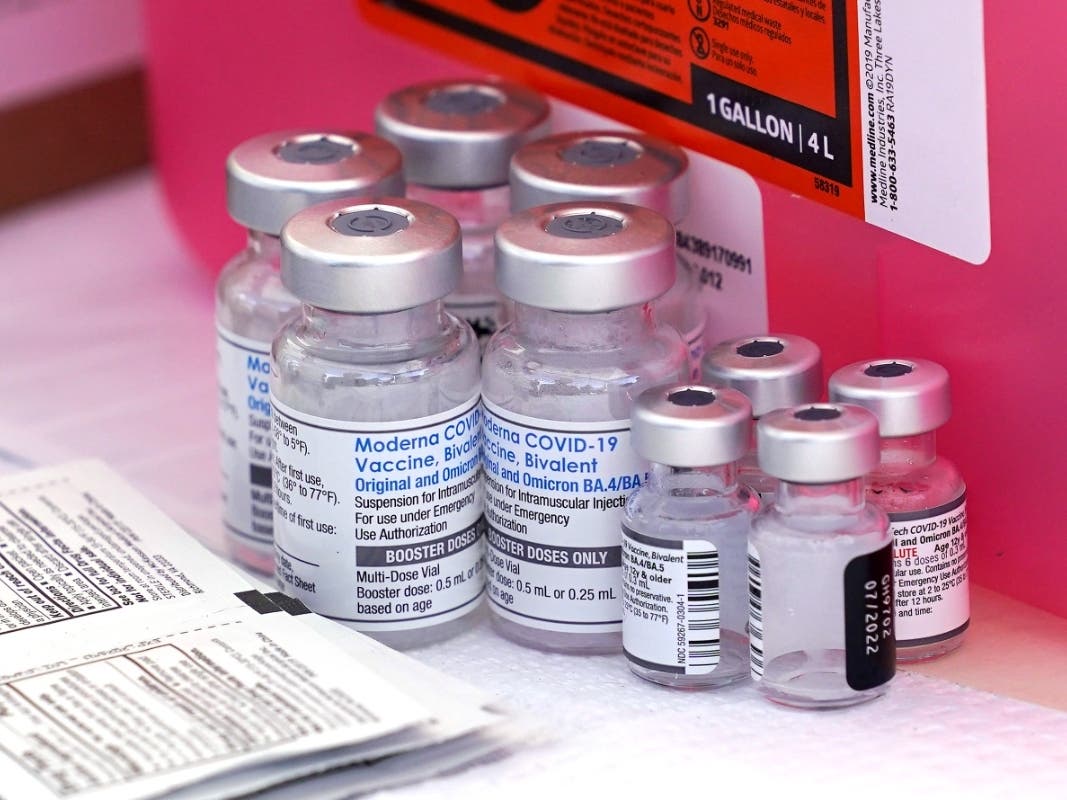
CALIFORNIA — The new coronavirus subvariant XBB.1.5 — one global health officials call the “most transmissible” descendant yet of the omicron variant — could fuel new cases of COVID-19 in the Golden State, according to health officials
In the United States, XBB was responsible for more than 27 percent of cases last week, up from about 2 percent the first week of December, according to the Centers for Disease Control and Prevention. Its spread on the East Coast offers a glimpse of what may be in store for California.
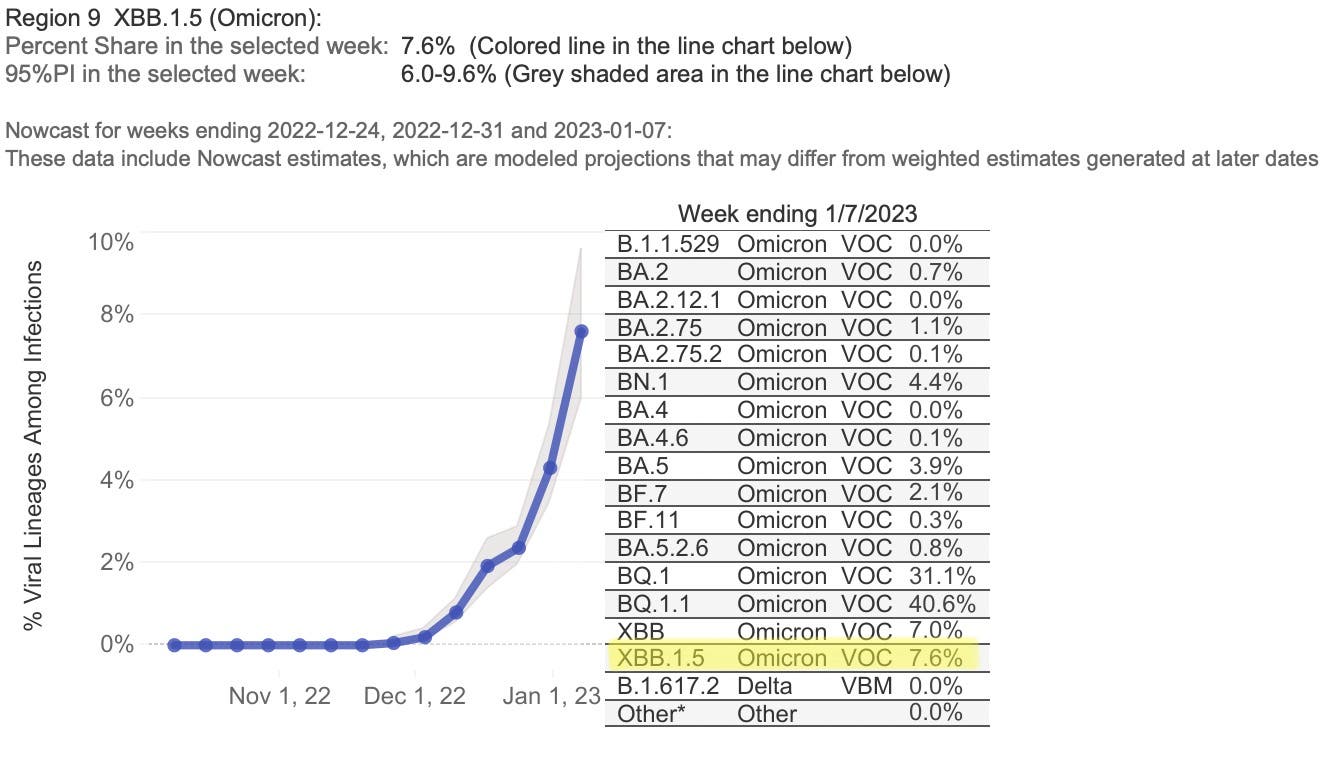
Already, in the Northeast, more than 70 percent of cases are believed to be XBB, according to the CDC COVID-19 tracker. In California and nine other states and territories including Arizona, Nevada and Hawaii, about 7 percent of cases are XBB.1.5. That's up from the first week of December when the CDC recorded 0.8 percent of cases in the region.
Find out what's happening in Across Californiafor free with the latest updates from Patch.
“That’s a stunning increase,” White House COVID-19 response coordinator Dr. Ashish K. Jha tweeted last week of the rapid rise in XBB cases, at the same time telling Americans it’s “critical” that Americans are up-to-date on bivalent booster shots.
Only about 15 percent of eligible Americans have gotten their bivalent booster shots. That includes 38 percent of older Americans, who are most at risk of a serious illness.
Find out what's happening in Across Californiafor free with the latest updates from Patch.
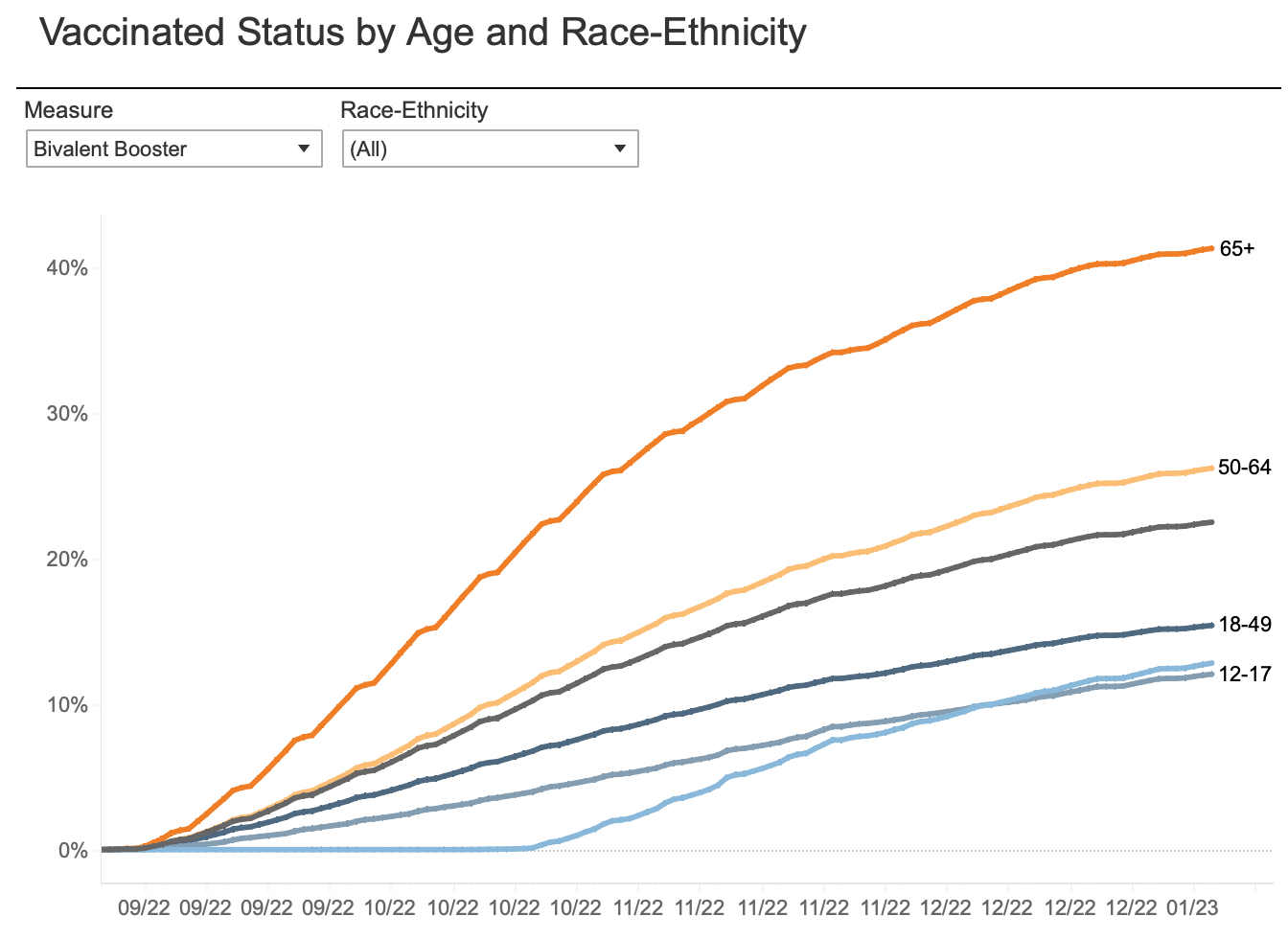
Of all California residents, about 22 percent have gotten their boosters. Residents aged 50 to 64 make up 26.2 percent of that total and people older than 65 had the highest percentage of people boosted at 41.1 percent.
“For folks without a very recent infection or a bivalent vaccine, you likely have very little protection against infection. And for older folks, diminishing protection against serious illness,” Jha tweeted.
XBB.1.5 combines traits of previous mutations, which health experts say make it spread more easily, even among previously infected or vaccinated people.
It’s more transmissible because of the mutations it has that allow the “virus to adhere to the cell and replicate easily,” Dr. Maria Van Kerkhove, technical lead on COVID-19 for the World Health Organization, told reporters last week. “The more this virus circulates, the more opportunities it will have to change.”
There is no evidence XBB is more severe than other omicron strains, Van Kerkhove said.
“We are concerned about its growth advantage, in particular, in some countries,” Van Kerkhove said, singling out Europe and the Northeast U.S., “where XBB.1.5 has rapidly replaced other circulating variants.”
COVID-19 infections have declined over the past year, to 470,699 weekly cases on Jan. 4, down from last year’s high of more than 5.6 million cases a week on Jan. 19, 2022.
California's infections have followed a similar trend, with a recorded 55,358 cases on Jan. 4, drastically lower than the state's peak around the same time last year of 788,494 cases.
Since then, cases steadily declined, though they slightly picked up during the 2022 summer months when the highest case rate was recorded July 20 with 149,725 cases and at the end of the year on Dec. 21 with 80,727 cases. Overall, data shows COVID-19 infections in the Golden State decreasing.
Jha said he’s concerned about XBB, but “Am I worried this represents some huge set back?” he said. “No.”
Besides getting a bivalent vaccine, Jha said Americans should take COVID-19 tests before large gatherings or if they will be seeing someone who is vulnerable. Also, he said, wear high-quality facemasks in crowded indoor spaces, and “work to improve ventilation/filtration in indoor spaces.”
Anyone showing symptoms should get tested right away. The Paxlovid Molnupiravir treatments “should work fine based on what we know,” he said.
Get more local news delivered straight to your inbox. Sign up for free Patch newsletters and alerts.