Health & Fitness
Will Bird Flu Reach CA? What To Know About The Deadly U.S. Outbreak
Millions of birds have died nationwide from a highly pathogenic flu and the deadly flu threatens to invade the Golden State.


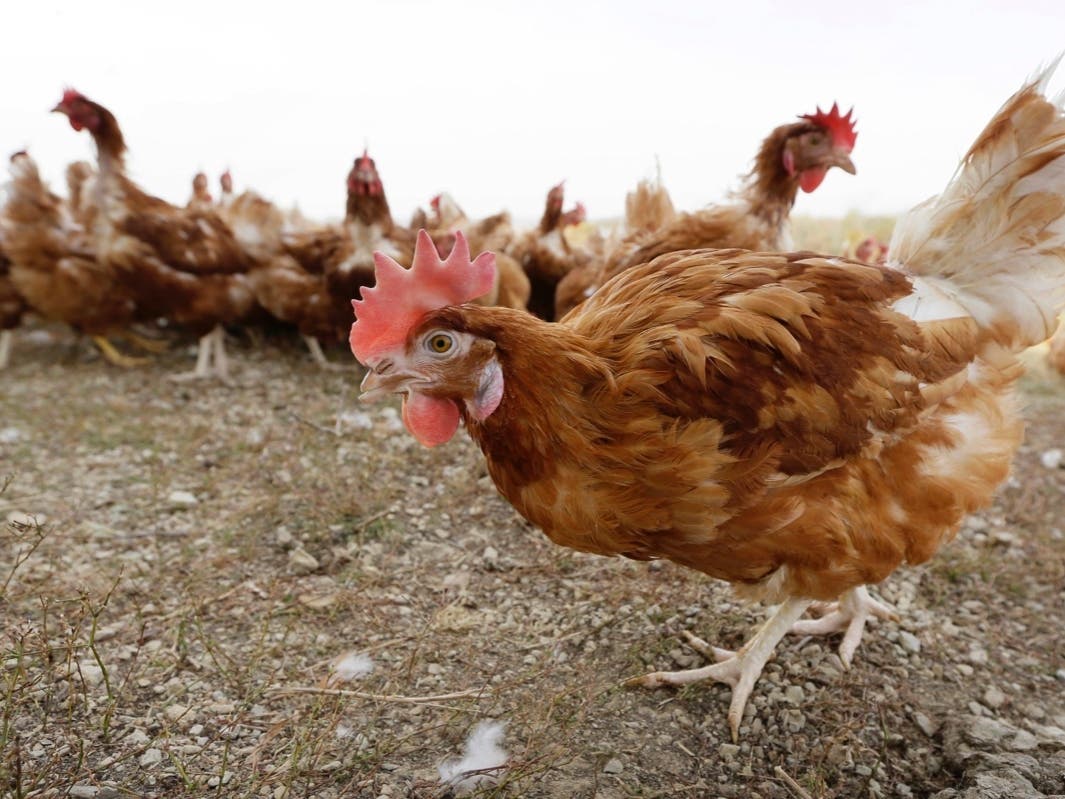
CALIFORNIA — Some 23 million birds have been destroyed nationwide to control a highly pathogenic bird flu virus causing disease in commercial and backyard poultry in about half of U.S. states. While the deadly virus hasn't reached the Golden State, it continues to creep further west and could eventually arrive.
The bird flu outbreak, first reported in a commercial turkey flock in Indiana and the worst since 2015, is further driving up prices for eggs and chickens, which are already high due to inflation.
In California a quarantine and precautionary entry requirements were issued in February for "all live poultry, hatching eggs and poultry products" coming from regions in 24 states where outbreaks have been reported.
Find out what's happening in Across Californiafor free with the latest updates from Patch.
California poultry and egg producers have also upped "biosecurity" measures, the San Francisco Chronicle reported.
Producers are conducting perimeter control procedures and keeping chickens away from wild birds. Employees have also been required to use sanitized and dedicated clothing, gloves and masks while working with poultry. Those who visit farms, including feed truck drivers, must wear hazmat suits, the newspaper reported.
Find out what's happening in Across Californiafor free with the latest updates from Patch.
California is known for its expansive agricultural economy, and the state's poultry industry produces sales in excess of $2.5 billion annually, according to the California Poultry Association.
“It’s a big deal,” Bill Mattos, president of the California Poultry Federation told the San Francisco Chronicle. “We really don’t want to get (avian influenza) here.”
The outbreak is concentrated mainly in the Eastern and Central United States, but cases have been reported in the Dakotas and Wyoming as the bird flu makes its way west, the U.S. Department of Agriculture said.
Also among the 24 states with bird flu outbreaks are Connecticut, Delaware, Illinois, Indiana, Iowa, Kansas, Kentucky, Maine, Maryland, Massachusetts, Michigan, Minnesota, Missouri, Nebraska, New Hampshire, New York, North Carolina, North Dakota, Ohio, South Dakota, Texas, Virginia, Wisconsin and Wyoming.
Here are five things to know about bird flu:
1. Eggs And Chickens Are Pricier
It’ll cost you more to put them on the table, but eggs and chickens are still safe to eat.
For example, the Agriculture Department said the cost of boneless, skinless chicken breasts increased to about $5.11 a pound, compared with $3.41 a pound the previous year. In California and other southwestern states, the cost of boneless, skinless chicken breasts cost between $3.98 and $7.99 as of April 1.
Egg prices are increasing as well. Nationally, they cost about $2.88 a dozen, up 52 percent since the first confirmed case of the bird flu in February, according to the USDA.
2. It’s Safe To Eat Chickens And Eggs, But …
The U.S. Centers for Disease Control and Prevention says there is no risk to humans who eat eggs and chickens from infected flocks as long as they’re properly handled and thoroughly cooked. Cooking to an internal temperature of 165 degrees Fahrenheit kills bacteria and viruses, including bird flu viruses. The CDC has long advised against eggs cooked sunny side up or over-easy.
And while you should avoid eating meat or eggs from poultry infected with bird flu, the Agriculture Department says there’s little chance infected poultry products will enter the food chain.
USDA Inspection Service personnel are assigned to every federally inspected meat, poultry and egg production plant in America as part of the agency’s avian flu response program.
“All poultry products for public consumption are inspected for signs of disease both before and after slaughter,” the agency said. “The ‘inspected for wholesomeness by the U.S. Department of Agriculture’ seal ensures the poultry is free from visible signs of disease.”
3. There’s Not Much Risk To Humans
The CDC stops short of saying there’s no risk to humans from avian flu viruses.
“Based on available epidemiologic and virologic information about these viruses, CDC believes that the risk to the general public’s health from current H5N1 bird flu viruses is low,” the agency said, adding, “however some people may have job-related or recreational exposures to birds that put them at higher risk of infection.”
As is the case with all viruses, bird flu can mutate, and the CDC said it is monitoring it for “genetic or epidemiologic changes suggesting they might spread more easily to and between people.”
4. Backyard Chickens Are At Risk
Backyard chickens are egg producers, but also pets in many cases. To protect them from the avian flu, the extension service at Minnesota State University advises:
Separate your flock from diseases sources, including wild birds and other wildlife.
Make sure chicken houses, coops and other areas where chickens spend time are clean.
When introducing new birds to your flock, or returning birds to the flock, keep them separated for at least 30 days.
Never share chicken handling equipment with neighbors.
5. Wild Birds Spread Avian Flu
The current outbreak of avian flu is traced to wild birds that showed no signs of illness but likely carried the disease to new areas during migration, the Agriculture Department said.
The agency anticipates additional avian influenza outbreaks in more states as it continues wild bird surveillance into the spring.
The surveillance program "provides an early warning system for the introduction and distribution of avian influenza viruses of concern in the United States,” the agency said, allowing it and the poultry industry “to take timely and rapid action to reduce the risk of spread to our poultry industry and other populations of concern.”
Get more local news delivered straight to your inbox. Sign up for free Patch newsletters and alerts.