Politics & Government
Voter Anger Over Affordability, Corruption Fuels High-Stakes Midterm Showdown
Millions have voted, record campaign spending is flooding the airwaves, and questions arise about what happens after Election Day.


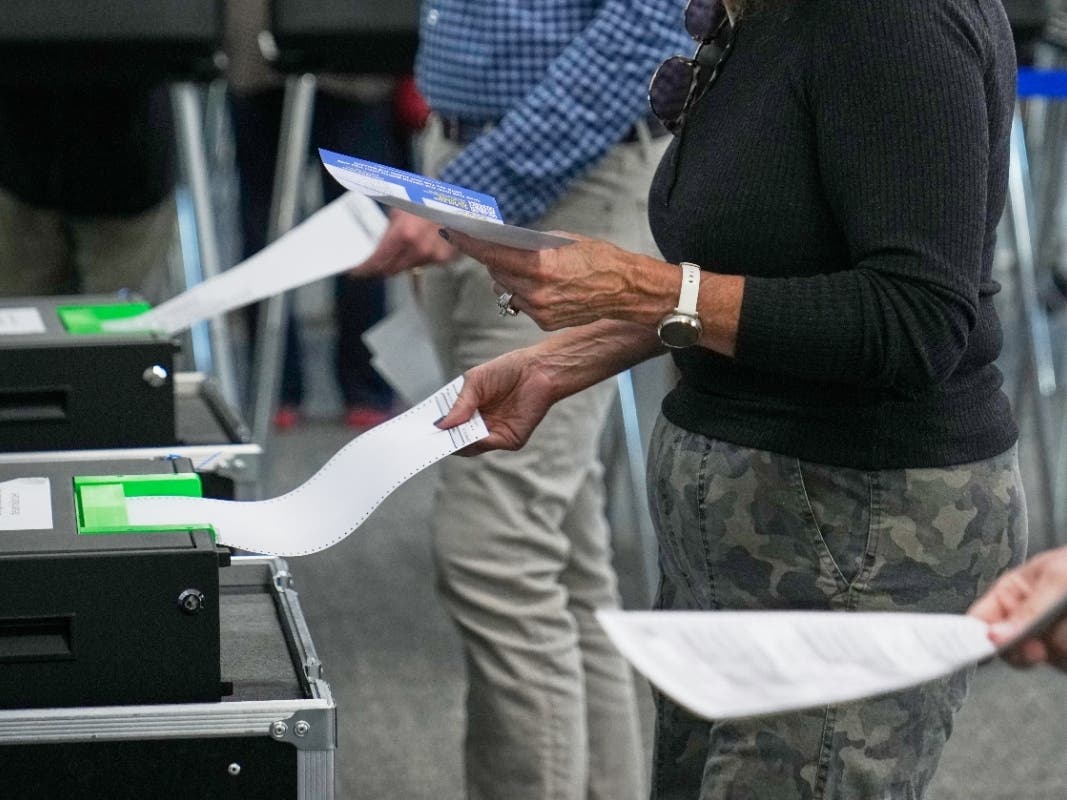
Driven by concerns over the cost of groceries, gasoline and other necessities, voters could turn out in record numbers Tuesday for midterm elections that will shape the nation’s political future.
At stake is control of Congress, the future of President Donald Trump’s agenda and the balance of power in statehouses across the country.
Millions have already voted in contests that will decide whether Republicans retain control of Washington or Democrats gain the power to block legislation, launch investigations and challenge the administration’s priorities.
Find out what's happening in Across Americafor free with the latest updates from Patch.
With all 435 U.S. House seats, 35 Senate seats, 36 governorships and more than 6,100 state legislative seats on the ballot, voters will also help determine policies affecting taxes, schools, abortion rights, public safety and the cost of living.
What’s On Voters’ Minds
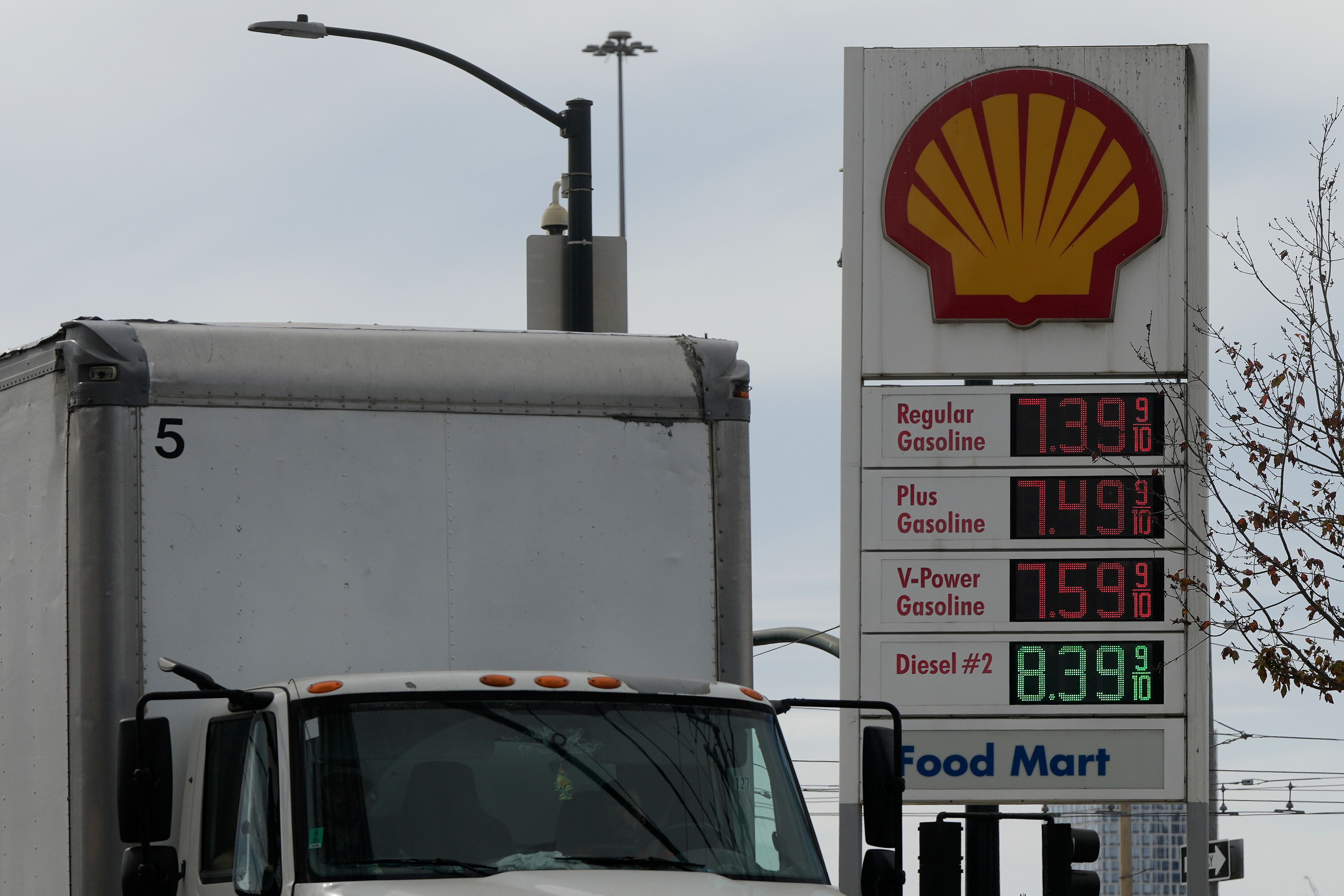
Voters say they’re struggling to afford basics like fuel and groceries, and many blame Trump for higher costs, pointing to his aggressive tariffs and the ongoing, unpopular war with Iran.
Find out what's happening in Across Americafor free with the latest updates from Patch.
Record-high diesel prices have driven up shipping and farming costs, creating trouble for Republicans in typically conservative states such as Iowa, Kansas, Ohio and Texas, where Democrats are unusually competitive.
“The costs of things are absolutely the first thing people talk about, but also it’s their pay not keeping up with the cost,” AFL-CIO President Liz Shuler told The Associated Press. “It’s a double whammy.”
Stephen Moore, a former Trump economic adviser, said gasoline prices have become particularly troublesome for Republicans.
“People hate paying more money for gas, and the prices have gone up a lot,” Moore told The AP. “It’s frustrating because Trump’s done so many good things for the economy. But with the Iran situation, that’s really had a big effect on the economy, and Republicans may pay a high price for that.”
Government corruption ranks second only to the cost of living among voters’ concerns, according to a new Harris Poll conducted for The Guardian.
Nearly 9 in 10 Americans said corruption is a problem, and 76 percent said elected officials care more about enriching themselves than improving the economy for ordinary Americans. Asked to name their most important election issue, 36 percent cited the cost of living, followed by government corruption at 12 percent and immigration at 9 percent.
Partisan differences were striking: 40 percent said Republicans have a bigger corruption problem, compared with 21 percent who pointed to Democrats. Another 32 percent blamed both parties equally.
The online poll surveyed 2,065 U.S. adults, including 1,481 likely midterm voters, Oct. 22-24.
Millions Have Already Voted
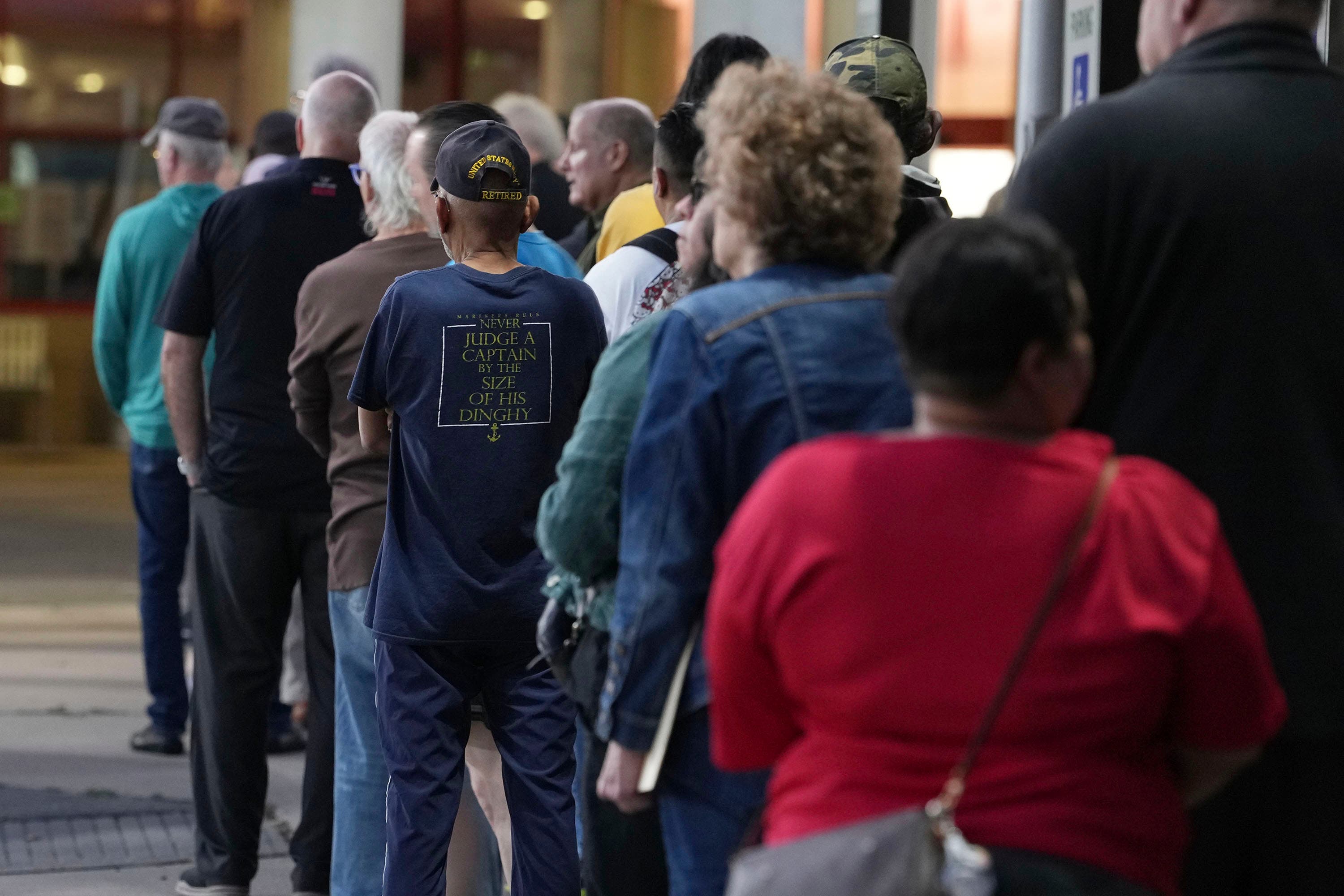
More than 50.8 million Americans have already voted in Tuesday’s midterm elections, about 15 percent ahead of the 2022 pace, according to On Point Politics’ early voting tracker, updated Monday. The figures cover 47 states, with about 27.1 million ballots cast in person and 23.7 million returned by mail.
In the 24 states reporting voters’ party affiliations, registered Democrats account for 40.5 percent of early ballots, compared with 32.9 percent for Republicans. The figures do not indicate which candidates received those votes, and the tracker uses estimates for party breakdowns in states that do not report them.
Election experts caution that a big early-voting lead doesn’t guarantee record turnout or victory. Republicans historically have been more likely to vote on Election Day, when the gap could narrow significantly.
Early voting has surged in states with competitive Senate races, particularly Texas, where voters are deciding closely watched Senate, House and governor’s contests.
More than 6.3 million Texans had voted early as of Wednesday, compared with 4.2 million at the same point four years ago, a 50 percent increase.
Advance voting also increased more than 30 percent in Maine, Michigan, North Carolina and Kansas. In South Carolina, where voters are choosing a successor to the late Republican Sen. Lindsey Graham, early voting is up 83 percent.
Control Of Congress On Ballot
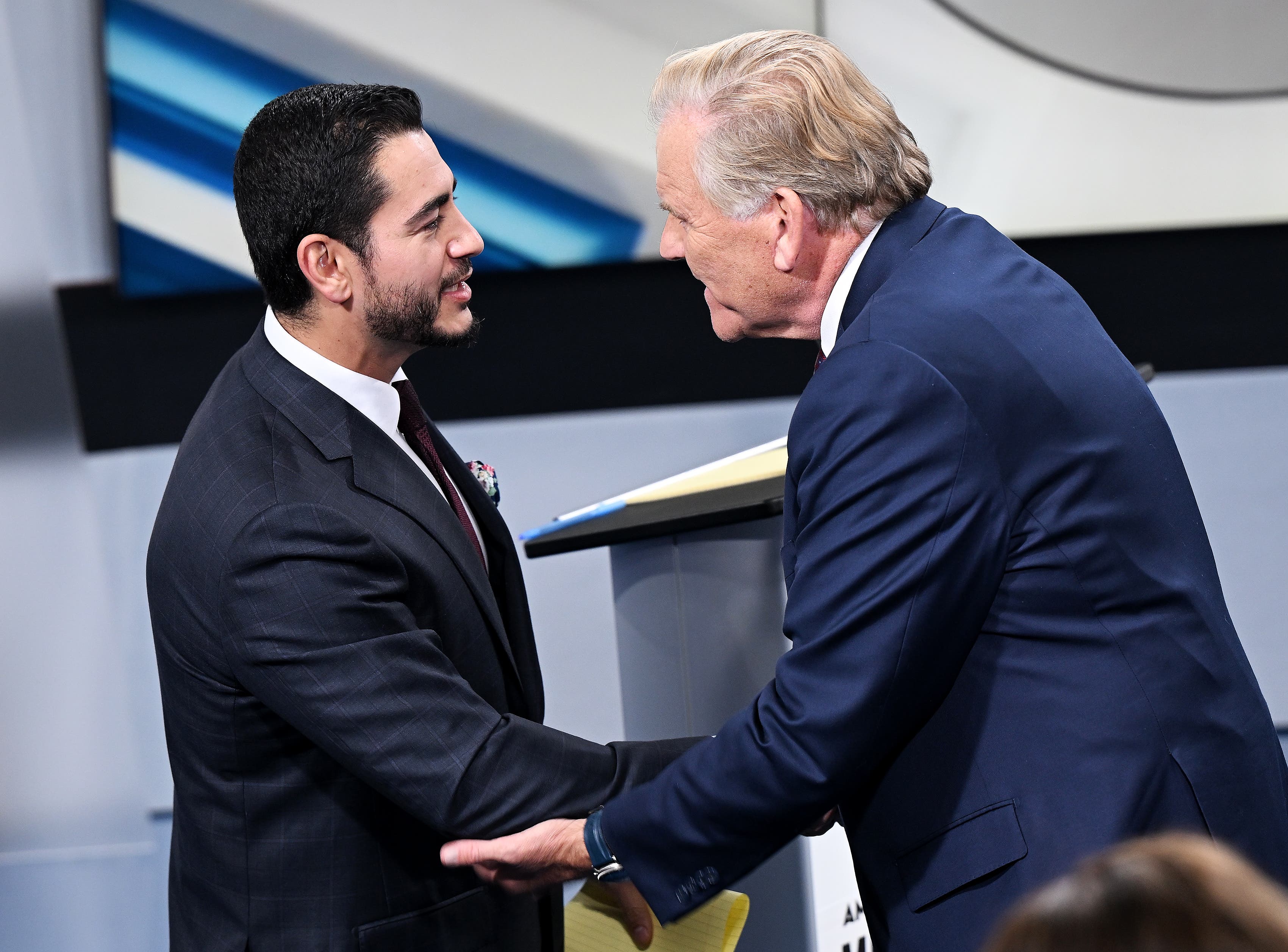
Republicans hold a six-seat Senate edge, but the independent Cook Political Report said Friday that seven races are within the margin of error, giving both parties a path to the majority in 2027.
Cook called Democrats “slight favorites” to recapture the chamber but rated races in Alaska, Iowa, Kansas, Maine, Michigan, Ohio and Texas a “Toss Up.”
Races to watch are:
- Alaska: Dan Sullivan (R, incumbent) vs. Mary Peltola (D)
- Iowa (open): Ashley Hinson (R) vs. Josh Turek (D)
- Kansas: Roger Marshall (R, incumbent) vs. Adam Hamilton (D)
- Maine: Susan Collins (R, incumbent) vs. Troy Jackson (D)
- Michigan (open): Mike Rogers (R) vs. Abdul El-Sayed (D)
- Ohio: Jon Husted (R, appointed incumbent) vs. Sherrod Brown (D)
- Texas (open): Ken Paxton (R) vs. James Talarico (D)
The nonpartisan forecaster also moved a dozen more House seats toward Democrats and said the party could win as many as 240 races, comfortably above the 218 needed for a majority.
Democrats currently hold 214 seats, and Cook favors them in 222 races. Another 18 could go either way, including contests in Pennsylvania and Colorado that previously leaned Republican. Two races in Indiana and Florida shifted from Likely Republican to the more competitive Lean Republican category.
“If the bottom completely falls out for Republicans, Democrats could flip some seats in the Lean Republican and Likely Republican columns as well,” Erin Covey, Cook’s House analyst, wrote. “Republicans are particularly concerned about turnout in places like North Carolina and Pennsylvania, where Democrats are poised to win statewide races by comfortable margins.”
Can Polls Be Trusted?
Election polling has never been an exact science, but the 2026 midterms pose unusual challenges, according to the nonpartisan Pew Research Center.
Beyond predicting who will vote, pollsters must contend with cheaper, less transparent online surveys, sophisticated fake respondents, and even artificial intelligence-generated polls that don’t survey real people at all.
Other wild cards include changing election laws, widespread redistricting, an unusually large number of open seats and emerging issues such as AI and data centers that don’t necessarily divide voters along party lines.
Pew President Michael Dimock cautioned against putting too much stock in any single poll, especially an outlier. Reliable polling can reveal what voters think, he wrote, but predicting how they’ll vote is another matter.
Most Expensive Election Ever
Political advertising is nearly impossible to escape this election cycle, with spending on often back-to-back spots surpassing even the 2024 presidential race.
Campaigns, political parties and outside groups had spent or reserved more than $11.2 billion in advertising as of this week, according to political ad-tracking firm AdImpact.
That’s up from $8.9 billion in the 2022 midterms and slightly exceeds spending for the entire 2024 presidential election cycle.
The Texas Senate race alone has attracted more than $560 million in advertising spending and reservations.
Leading the spending spree is Elon Musk, who has become the largest individual political donor in modern American history, contributing $446 million to this year’s midterms, mostly to help Republicans retain control of Congress.
Musk has directed about $216 million to his America PAC, which is running a voter-turnout operation, and $168 million to the Senate Leadership Fund, the main super PAC supporting Republican Senate candidates. His spending comes after a public falling-out with Trump and a subsequent reconciliation. Musk had previously said he intended to scale back his political donations.
The billionaire is hardly alone. The 50 largest political donors have poured more than $2.7 billion into the midterms, with Republican-aligned contributors giving about twice as much as Democratic-aligned donors. Super PACs, which can accept unlimited contributions, are receiving much of that money.
And the tab is still growing. AdImpact projects spending will reach $11.6 billion by the end of the election cycle.
Election Security Concerns Grow
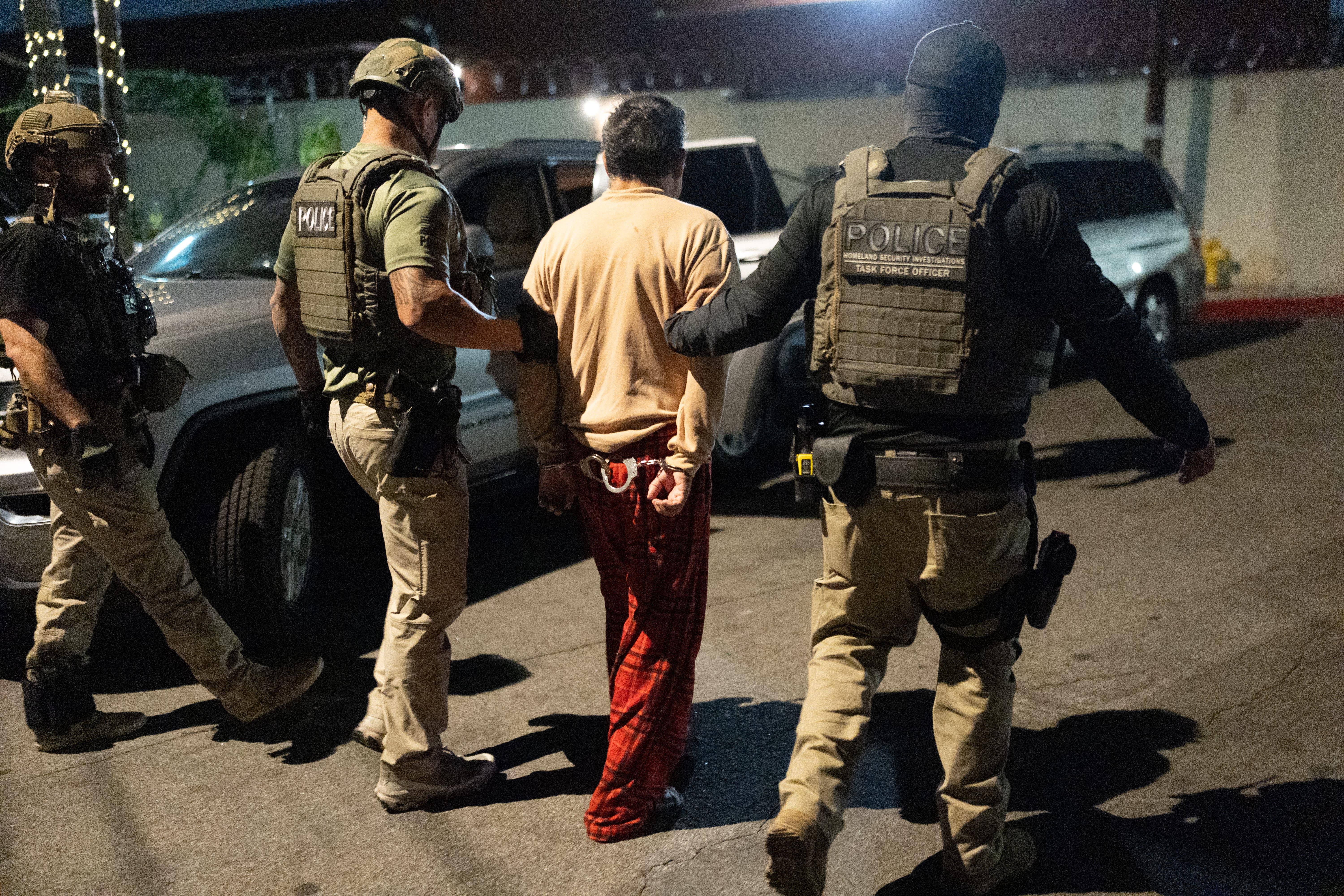
Voters may encounter an unusually large contingent of observers Tuesday, including federal election monitors, partisan watchdogs and clergy members trained to defuse confrontations.
The Justice Department plans to deploy about 1,000 election monitors across all 50 states, the largest such operation in department history. Federal officials say the monitors will protect ballot security, ensure compliance with voting laws and promote public confidence.
Federal monitoring isn’t new. The Justice Department has sent observers to polling places for decades, typically to enforce voting rights protections and guard against discrimination and intimidation. Monitors generally document potential violations rather than intervene.
But the Trump administration’s expanded operation has raised concerns among election officials and voting-rights advocates about possible federal interference or voter intimidation. The Justice Department says its monitors will obey applicable laws and won’t interfere with voting.
The department has notified officials in numerous states, including Michigan, Pennsylvania, Florida, Minnesota, Texas and Georgia. In Michigan, federal personnel are expected in Detroit, Flint, Lansing, East Lansing and Grand Rapids, among other communities.
Political parties and voting-rights organizations also have trained thousands of observers to watch for irregularities, intimidation and other problems.
Some observers, however, will be there to calm tensions rather than document violations.
A nonpartisan interfaith coalition called Faiths United in Saving Democracy has recruited more than 1,200 volunteer poll chaplains and peacekeepers in Arizona, Michigan, Georgia, Ohio, Pennsylvania, North Carolina, Wisconsin, Virginia and Texas.
Representing Christian, Jewish, Muslim, Buddhist and other religious and secular communities, the volunteers will wear identifying clothing and remain outside polling locations. They’re trained to ease tensions, respond to potential intimidation and reassure voters.
The effort comes amid concerns that political hostility, threats of violence and fears of immigration enforcement could keep some eligible voters away. Federal officials say immigration agents won’t be deployed to polling places.
Election observers can watch and report problems, but they cannot interfere with voting, intimidate voters or assume election workers’ duties. State and local officials remain responsible for running elections.
When Will Results Be Known?
Polls begin closing at 6 p.m. Eastern time Tuesday, Nov. 3, in parts of Indiana and Kentucky, with the first results expected shortly afterward.
Most states finish voting between 7 p.m. and 9 p.m. Eastern, while the final polls in Alaska close at 1 a.m. Wednesday.
Results could come quickly in Florida, Georgia, North Carolina and Texas, but close contests elsewhere may take days to resolve as officials count mail-in and other ballots, The Hill reported.
Americans may know which party will control Congress by Wednesday morning, but some closely contested races could take considerably longer.
Will Results Be Certified?
False claims about election rigging and voter fraud are also spreading online as Election Day approaches, according to an Associated Press fact check. Among them are claims that holes in California mail ballot envelopes expose voters’ choices, that New York City ballots are missing candidates and that touchscreen voting machines are switching votes.
Election officials have debunked the allegations, explaining that the envelope holes serve legitimate purposes, the New York ballots have multiple pages and reported touchscreen problems generally stem from user error or correctable calibration issues. Officials urge voters to check with local election offices rather than rely on social media claims.
Trump has stopped short of promising to accept the midterm results regardless of the outcome.
Asked Tuesday whether he would respect the results even if Republicans lost control of Congress, Trump replied, “I will if they’re honest elections.”
He made a similar statement in February, telling NBC News he would accept the results if the elections were honest.
Trump has repeatedly made unfounded allegations of widespread election fraud, including claims that the 2020 presidential election was stolen. His conditional statements have fueled concerns about challenges to the midterm results.
Even after states count and certify ballots, close congressional races could face weeks or months of litigation.
The U.S. Constitution gives the House and Senate final authority to decide who gets seated in contested elections, potentially affecting which party controls Congress.
Congressional committees typically review challenges before the full House or Senate decides. If enough races remain unresolved when the new Congress convenes in January, some seats could remain vacant, complicating the balance of power.
Challenges Already Filed

Election Lawsuits Mount
The Trump administration suffered two major courtroom setbacks in the final days before the midterm elections, as judges rejected attempts to interfere with ballot counting in California and certification of a closely watched U.S. Senate race in Alaska.
On Monday, the U.S. Supreme Court rejected the administration’s emergency request to set aside about 20,000 California mail-in ballots that federal officials claim may belong to noncitizens. The justices did not explain their decision.
The ruling followed a 2-1 decision by the 9th U.S. Circuit Court of Appeals Friday rejecting the Justice Department’s request to keep the ballots from being counted until voters’ citizenship could be verified.
California officials say the federal government’s list is unreliable and includes eligible voters. A lower court judge warned that setting aside the ballots could disenfranchise citizens and disrupt the election. At a separate hearing, a Justice Department attorney acknowledged a high error rate in the government's data.
In Alaska, a federal judge Sunday dismissed a Justice Department lawsuit seeking to block certification of the Senate election results if Republican incumbent Dan Sullivan loses to Democrat Mary Peltola. The Justice Department immediately filed notice that it would appeal.
The dispute centers on another candidate, retired schoolteacher Daniel J. Sullivan Jr., whose nearly identical name Republicans say could confuse voters and siphon votes from the incumbent.
The senator appears on the ballot as “Dan S. Sullivan,” identified as a Republican and incumbent, while the retired teacher appears as “Daniel J. Sullivan Jr.,” without a party affiliation. Republicans previously failed to remove him from the ballot in a case that reached the Alaska Supreme Court.
The controversy has escalated beyond the courtroom. Federal investigators have issued grand jury subpoenas and FBI agents have questioned people who donated to the retired teacher’s campaign. Republicans allege he was recruited to help Peltola, while her campaign denies involvement.
Trump said Friday that he personally directed the Justice Department to bring the lawsuit, declaring, “I’m the one who said do it.”
U.S. District Judge Sharon Gleason rejected the administration’s request, saying it had offered no workable way to determine voters’ intentions without compromising ballot secrecy. She also cited the Constitution’s assignment of election authority to states.
Other election-related lawsuits remain pending across the country.
In Texas, a local Republican Party is seeking to block certification of federal election results until every paper ballot is counted by hand, although it has offered no evidence of inaccurate vote counts.
Other litigation seeks to prevent armed federal agents from appearing at polling places, challenges the Justice Department’s election monitoring plans and contests federal efforts to obtain states’ voter registration records. Courts have dismissed many voter-data lawsuits brought by the administration, but appeals and other cases remain unresolved.
Trump Raises The Stakes
The stakes for Trump are high as he fights to preserve Republican control of Congress, promising billions in government assistance and cash payments if his party wins while warning that Democratic victories could cost states federal help.
Trump has pledged $5,000 checks to every adult American if Republicans retain both chambers, along with $8 billion in payments to farmers struggling with high diesel prices. The proposed $5,000 payments would cost about $1.2 trillion and require congressional approval, raising questions about how they would be funded.
At campaign rallies, he has suggested withholding federal assistance if Democrats win, including disaster relief in North Carolina and compensation for veterans exposed to contaminated water at Camp Lejeune. In Kansas, he has tied permanent year-round sales of ethanol-blended gasoline to the reelection of Republican Sen. Roger Marshall. He has also suggested he would be less inclined to help states led by Democrats.
“When you are president, you have a lot of power over states,” Trump told an Ohio crowd, underscoring how he is making federal assistance part of his pitch for Republican candidates.
Both Parties In Flux
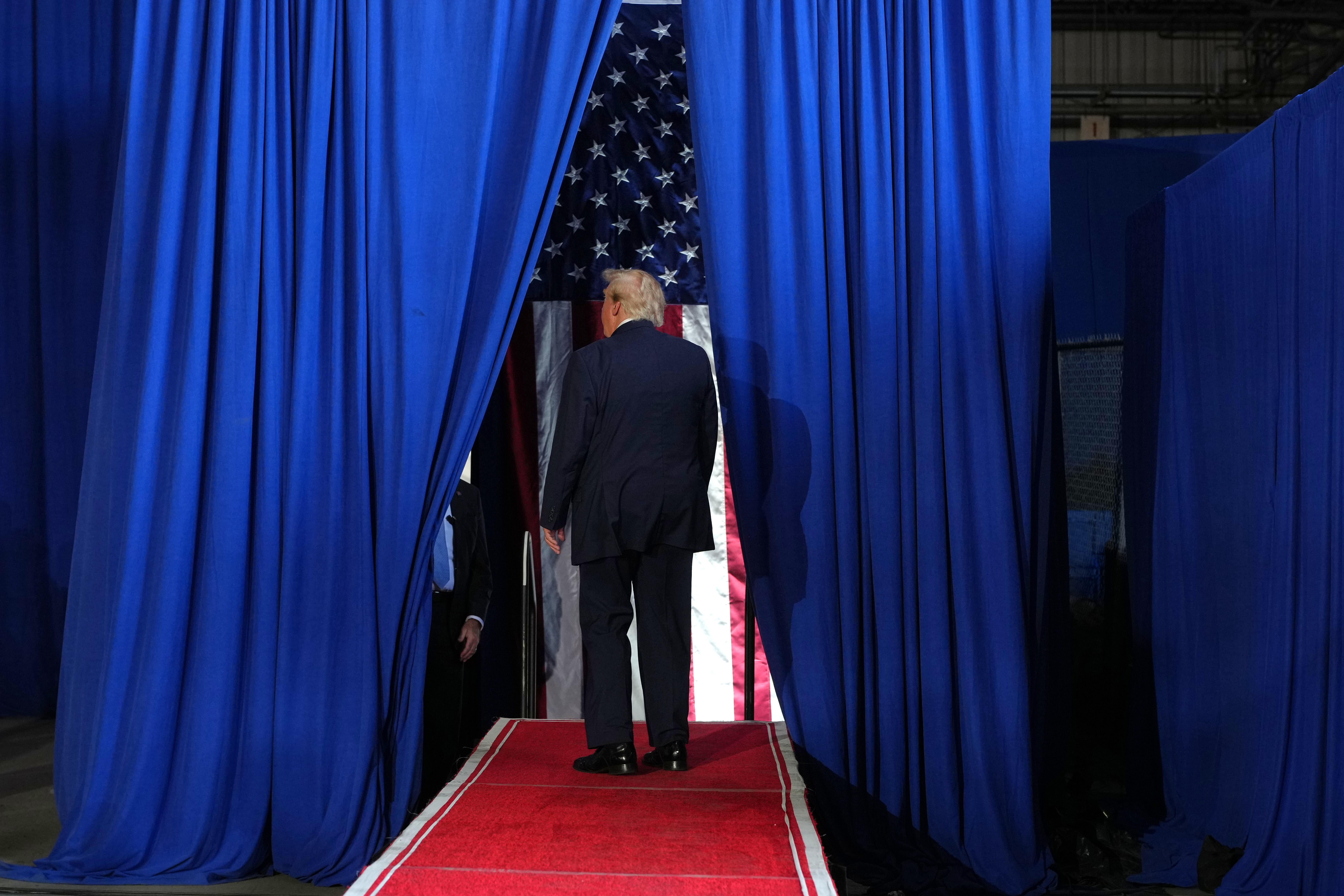
Beyond control of Congress, the midterms could help determine the political future of both parties, according to an Associated Press analysis.
Republicans face questions about whether the working-class coalition Trump assembled will endure after he leaves office, while Democrats face demands from progressives for new leadership and sweeping changes.
Tuesday’s results could reshape the field of potential 2028 presidential contenders, although even a bruising Republican defeat is unlikely to end Trump’s influence over the GOP anytime soon.
“When President Trump leaves office, it’s going to create a tremendous vacuum. And I ask the question, where does the country go next?” former Republican Sen. John E. Sununu, who is running for the New Hampshire Senate seat he lost in 2008, told The AP.
Republican strategist David Urban is watching closely to see whether Trump’s coalition turns out.
“When we see that, that’ll tell you a lot about the future,” Urban told The AP. “Look, if all those folks stay home — they’re disaffected because of the economy, or the war, or pick your exit polling issue — that then leaves a lot of questions of who’s going to be the next standard-bearer for the party.”
Maryland Gov. Wes Moore, a potential Democratic presidential contender facing reelection Tuesday, declined to say whether he welcomes Democrats aligned with the Democratic Socialists of America into his party.
Instead, he called for “commonsense leaders that are prepared to disrupt the status quo and know how to move fast in order to get things done.”
“I don’t want to be a party of no and slow. I want to be a party of yes and now,” Moore told The AP. “I want to be a party that is deeply impatient to be able to deliver the kind of results that we’re hoping for and the things that we’re hoping to see for our families.”
The Associated Press contributed to this report.