Neighbor News
Butt No Excuses
Is litter toxic? : an Earth Day call to action to prioritize tobacco waste.
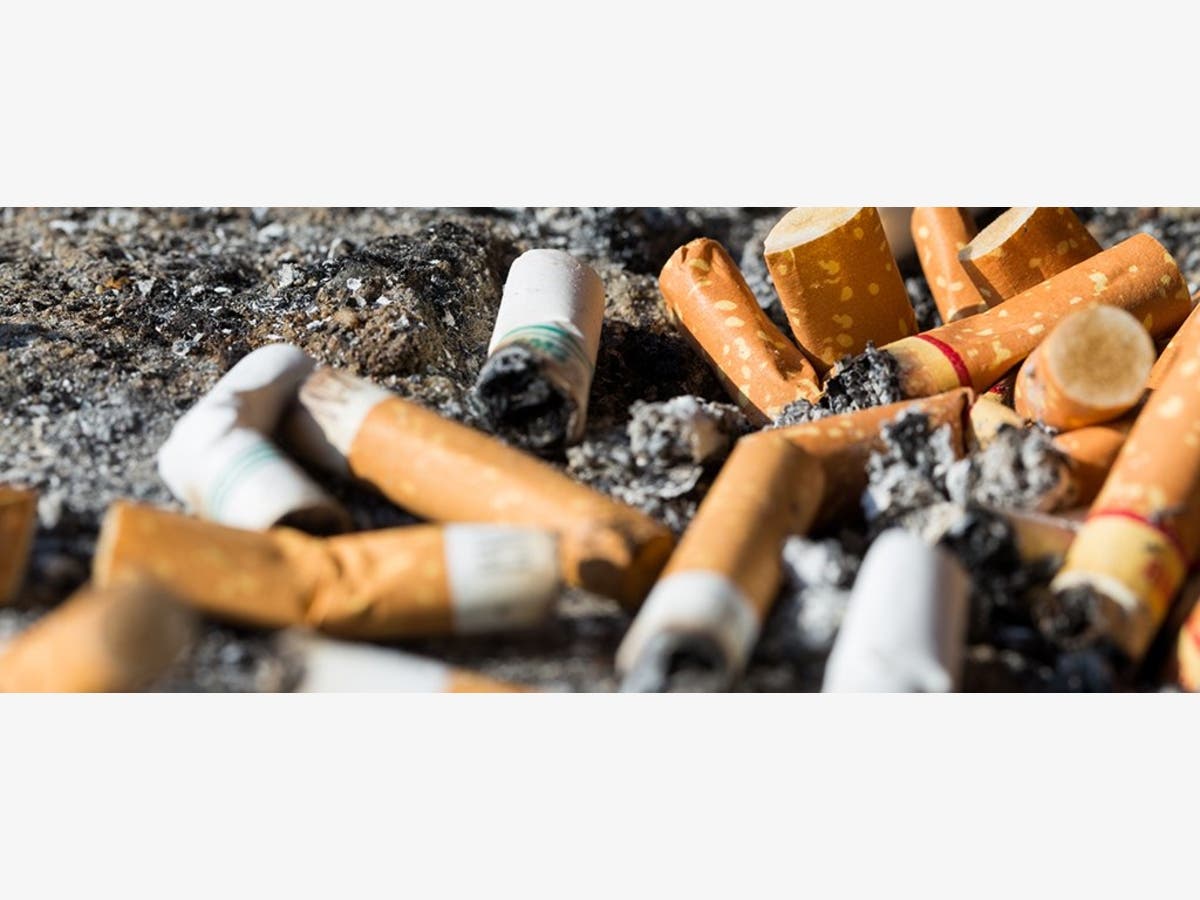
April 22 is the day that millions of people worldwide unite to show support for environmental protection. And though numerous events are hosted on this day annually throughout the globe, Earth Day has yet to explicitly challenge the most commonly collected waste item found on urban and beach clean-ups worldwide[1]: tobacco litter.
Along with lead (which at one point was used in paint), cigarette butts also contain arsenic (a substance previously used in rat poison) and nicotine (formerly used as insecticide): all toxic chemicals that have required environmental interventions, due to the extent to which they caused pollution and threatened the health and wellbeing of individuals. Such chemicals are just three out of the 43[2] toxins found in a cigarette butt that leach into the environment when cigarette butts are disposed of in inappropriate locations (ex. waterways, the ground, planters, etc.). And to make matters worse, cigarettes also contain plastic filters that make them a non-biodegradable item. When cigarette butts are littered, these toxins and plastic particles enter the environment and continue to leach chemicals for up to 10 years1, increasing the chances of bioaccumulation, the prevalence of toxic environments, and disease in communities.
As a member of the Alameda County Tobacco Control Program, I have participated in numerous litter audits that have exposed me to the prevalence of tobacco litter in some of the most healthy and environmentally conscious communities of the Bay. In just under a year, I along with other County coworkers and La Clinica de La Raza, collected nearly 12,000 cigarette butts that were littered across 22 parks, commercial areas and transit routes in the City of Oakland. There were numerous instances in which I collected 100 cigarette butts under 15 minutes, and a couple hundred under 30 minutes. There were also times that I wanted to keep collecting litter beyond the one-hour time allocated for a litter audit because of how much litter had accumulated in some areas; to say the experience taught me a lot is an understatement. Conducting litter audits not only helped me comprehend that the littering of cigarette butts is a ubiquitous problem of toxic waste, it also brought to my attention how urgently we need interventions.
Find out what's happening in Alamedafor free with the latest updates from Patch.
Looking for lessons in other solutions addressing environmental harm can help guide next steps. For example, in the field of waste management, we find that the Extended Producer Responsibility (EPR) principle holds those who make a toxic waste product accountable, financially and physically, for its cleanup. EPR laws have successfully required industries to collect and safely dispose of other hazardous waste products, including unused pharmaceuticals, unused paint, and used batteries. This approach has helped minimize the environmental impact of these hazardous products while providing a solution to the economic burden that local communities suffer from cleanup costs. So why not try the same approach to eliminate tobacco product waste? An EPR model would not only hold tobacco manufacturers responsible for creating solutions to help eliminate this toxic form of trash, but it would also alleviate the financial burden of cleanup costs that the tobacco industry has placed on our communities.
Lastly, public awareness about the toxicity that tobacco litter brings to our communities needs to increase if we want to see solutions. This is an excellent opportunity for the tobacco control and environmental change movements to join forces to successfully implement policies that prevent and mitigate the environmental burden[1] of tobacco litter.
Find out what's happening in Alamedafor free with the latest updates from Patch.
This year, Earth Day’s campaign is to “End Plastic Pollution,” and though the growth of plastics in our planet is threatening its survival, tobacco litter still remains at the top of the list of littered items worldwide. As a member of Alameda County’s Tobacco Control Program, I challenge with love the many of us who will participate in Earth Day this year to partner with tobacco control and find solutions to this all too common environmental blight.
[1] Novotny, Thomas E. Slaughter, Elli. Tobacco Product Waste: An Environmental Approach to Reduce Tobacco Consumption. Springerlink, 2014.
[2] Ginzel, K.H. Have you ever wondered what’s in a cigarette? QuitSmokingSupport.
Novotny, Thomas E., et al. “Tobacco Product Waste: An Environmental Approach to Reduce Tobacco Consumption.” National Center for Biotechnology Information, 2014.
Kleinman, Lowell. Have You Ever Wondered What’s In a Cigarette? Cigarette Ingredients. QuitSmokingSupport.com, www.quitsmokingsupport.com/whatsinit.htm . Accessed 5 February 2018.
Healton, Cheryl G., et al. “Butt Really? The Environmental Impact of Cigarettes.” The BMJ, 2011.
Earth Day site. Earth Day Network, www.earthday.org/earthday/ . Accessed February 2018.