Politics & Government
County Mounts Mosquito Eradication Operations
The location was targeted for anti-mosquito spraying after large numbers of the insects were discovered during seasonal trapping efforts.


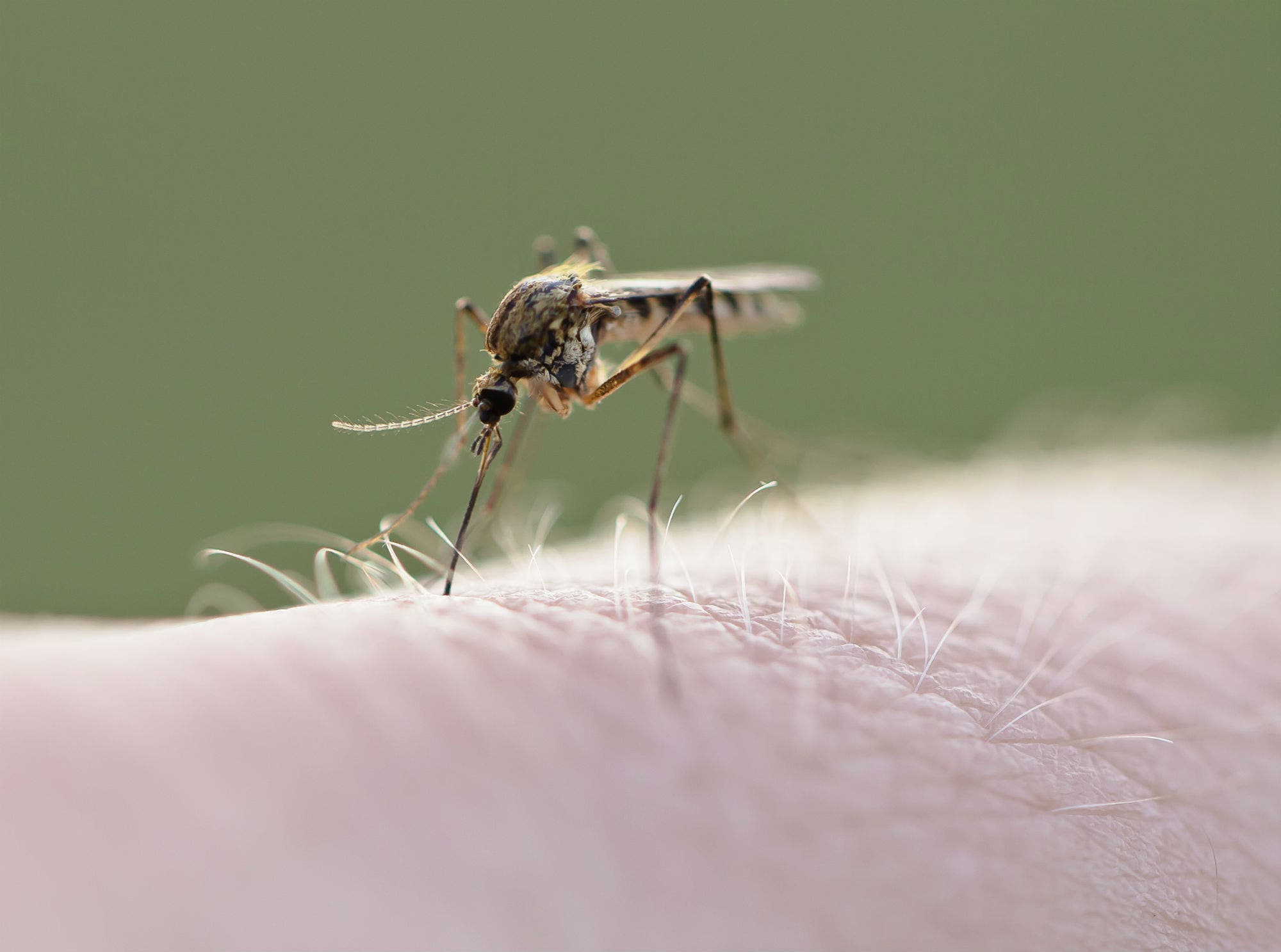
Operations to eliminate mosquito infestations in western Riverside County got underway Thursday in Nuevo.
County Vector Control officials said chemical “fogging treatments” were conducted between 5 a.m. and 7 a.m. south of the Ramona Expressway, in the area of Tenth Street and Reservoir Avenue, east of Perris.
The location was targeted for anti-mosquito spraying after large numbers of the insects were discovered during seasonal trapping efforts to detect infestations.
Find out what's happening in Banning-Beaumontfor free with the latest updates from Patch.
Vector Control is planning to continue eradication operations tomorrow and Tuesday in Moreno Valley. Between 5 and 7 a.m. Friday, chemical fogging is planned in the area of Kalmia Avenue and Kitching Street -- north of the Moreno Valley (60) Freeway -- and during the same hours Tuesday near Cottonwood Avenue and Kitching Street, south of the freeway.
Pesticides are emitted as a mist dispersed from machines anchored in the backs of pickup trucks, officials said.
Find out what's happening in Banning-Beaumontfor free with the latest updates from Patch.
The county is stepping up mosquito eradication following the first recorded West Nile virus-related death locally in seven years.
A 77-year-old man from the west county region died after falling ill in August. The victim, who had underlying health problems, later tested positive for WNV.
A total of 16 human cases, including the most recent one, have been confirmed countywide this year.
In 2014, 14 human WNV cases were recorded by the Department of Public Health. The county maintains an online map showing West Nile hotspots: http://www.rivcoph.org/Home/WestNileMap.aspx.
There were 801 cases throughout California last year -- the second- highest figure on record -- resulting in 31 deaths, according to state officials.
Mosquitoes typically become carriers of the virus after feeding on an infected bird and can then spread the potentially lethal strain to animals and humans.
Those at greatest risk include seniors and individuals with compromised immune systems.
Symptoms may never materialize, but can include fever, headache, nausea, body aches, skin rashes and swollen lymph nodes.
Mosquito season in Southern California generally spans the months of May to October. To reduce exposure to West Nile virus, residents are urged to:
- spend as little time as possible outdoors at dawn or dusk, when mosquitoes are generally on the move;
- wear pants and long-sleeved shirts during outdoor activity;
- use insect repellent;
- ensure door and window screens are fitted properly to keep bugs out; and
- get rid of standing water, aside from pools properly treated with chemicals.
Anyone with concerns about WNV, mosquitoes, neglected pools or standing water can contact the Riverside County Vector Control office at (951) 766-9454. More information is also available at www.rivcoeh.org/Programs/vector .
--City News Service, photo via Shutterstock
Get more local news delivered straight to your inbox. Sign up for free Patch newsletters and alerts.