Politics & Government
Inland State Senator Doubts Strength of Governor's Drought Relief Plan
Jeff Stone's criticism followed Brown's announcement of a $1 billion drought relief package.


By City News Service:
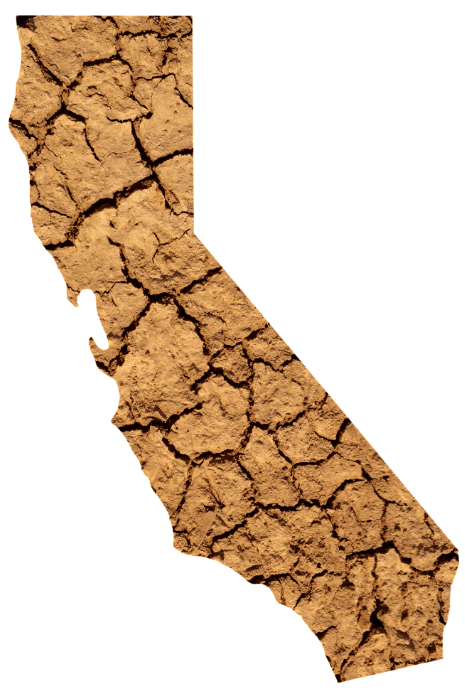
A Riverside County lawmaker expressed skepticism about steps announced Thursday to combat California’s worsening drought, characterizing Gov. Jerry Brown’s $1 billion relief package as a partisan plan that amounts to “throwing money” at a dilemma that requires bold action.
“The proposal today will fast-track water infrastructure already planned for which I support, but it will only benefit us once we have water to navigate,” said Sen. Jeff Stone, R-Palm Desert. “The entire proposal was conceived, crafted and announced with no input from Republicans, which is unfortunate given that water should never be a partisan issue.”
Find out what's happening in Banning-Beaumontfor free with the latest updates from Patch.
Stone’s criticism followed Brown’s announcement that he would be disbursing $128 million from his office budget for drought relief programs and working with the Legislature to expedite the issuance of $272 million in bond funding authorized under Proposition 1, the Water Bond Act, approved by voters in November for the purpose of water infrastructure improvements statewide.
Brown and Senate President pro Tempore Kevin de Leon, D-Los Angeles, also announced that in the ensuing months, they’ll be working to free up $660 million in funding for flood control projects in urban and rural areas -- all of which was approved in 2006 under Prop 1E.
Find out what's happening in Banning-Beaumontfor free with the latest updates from Patch.
“This unprecedented drought continues with no signs yet of letting up,” the governor said during a briefing in Sacramento. “The programs funded by the actions announced today will provide direct relief to workers and communities most impacted by these historic dry conditions.”
Senate Minority Leader Bob Huff, R-Diamond Bar, acknowledged that his Democrat counterparts had come up with what “sounds like a good approach,” but he underscored the need for further scrutiny of the drought relief proposals.
“We were briefed on this just this morning,” he said. “There’s no question California’s drought crisis has worsened, as once again we’ve experienced a dry winter. With the hot summer months approaching, it’s incumbent on all Californians to be responsible with how they use water. It’s critical that we act now.”
Stone said the measures advanced by the governor do “nothing to magically bring water to the tap for our taxpayers, and merely seems to be throwing money at the problem with little thought.”
“The fact is that we must build more water storage, turn the pumps on in the north and free up available water and send it to our fertile Central Valley farms that feed the nation,” he said. “We also need to engineer the (Bay) Delta infrastructure to stop sending potable water to the ocean.
“We need more leadership and less rhetoric to solve our present water crisis and begin to solve our future water needs with realistic solutions,” Stone said. “Most of all, Republicans need to be a part of the discussion at the beginning of the process.”
Brown declared a Drought State of Emergency in January 2014, a month after finalizing a Water Action Plan which mapped out strategies for securing water resources.
The emergency declaration enabled the State Water Resources Control Board to implement regulations aimed at curbing water waste. Initial enforcement measures included compelling local water agencies to enact restrictions on outdoor water usage.
Earlier this week, the board added a new layer of regulations to encourage a reduction in water consumption. Under the amended provisions, watering landscapes in a manner that creates runoff is prohibited; restaurants and other establishments are required to ask customers whether they want water - - instead of automatically serving it; and motels must give guests the option of having towels and linens washed daily.
Perhaps the most significant aspect of the state edict focuses on urban water suppliers, which will be required to develop drought contingency plans aimed at capping outdoor irrigation, possibly limiting customers to outdoor watering only twice a week.
Violators would face fines of up to $500.
RELATED ON PATCH:
- California “Has Only About One Year of Water Supply Left in its Reservoirs”
- Drop That Hose! California Implements Drought Restrictions, Daily Fines Up to $500
— Image via Shutterstock.
Get more local news delivered straight to your inbox. Sign up for free Patch newsletters and alerts.