Politics & Government
Riverside County's First West Nile Infections of 2015 Confirmed
Two people in western Riverside were infected with the mosquito-born virus.


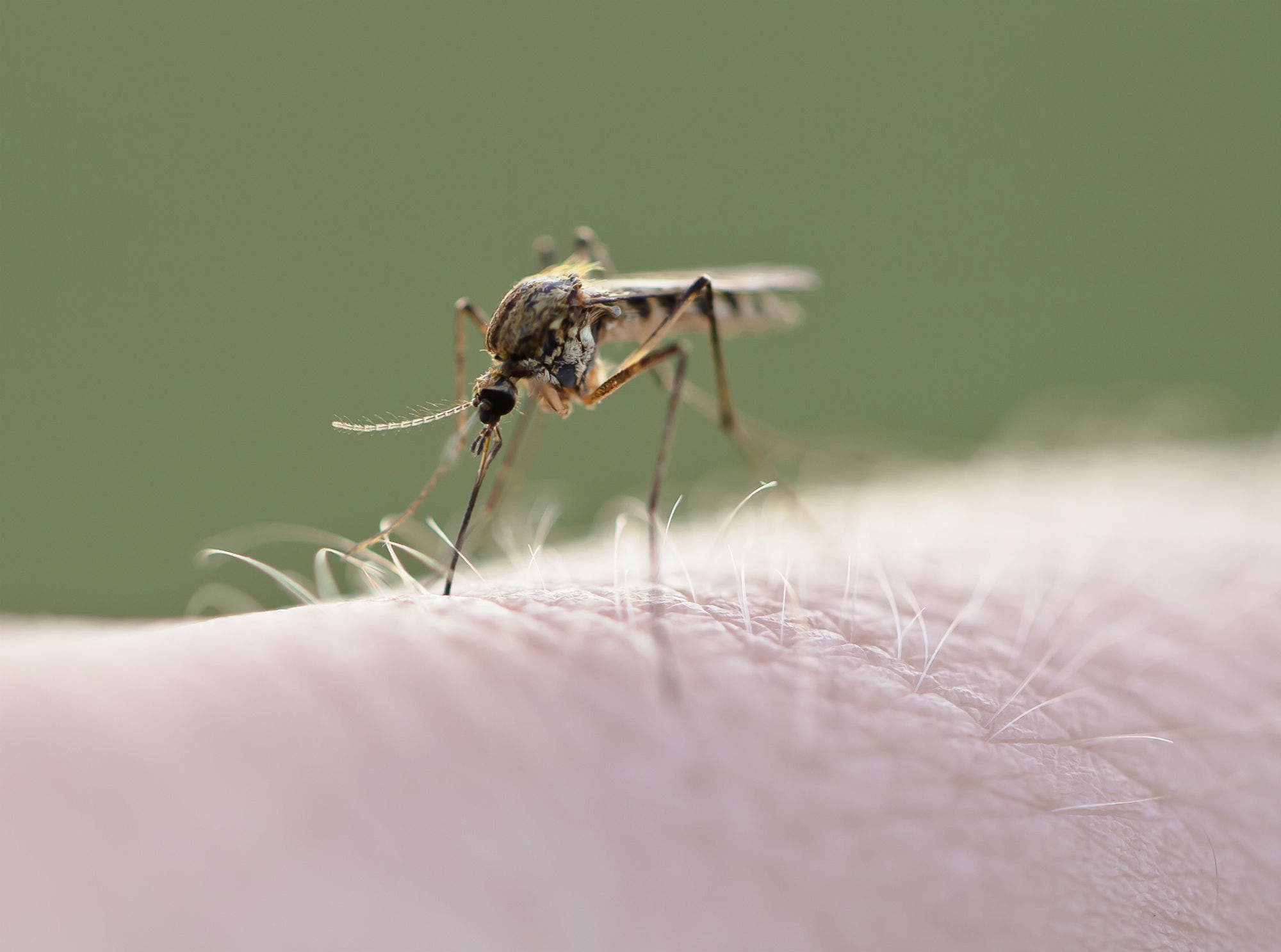
Photo via Shutterstock
By City News Service
Riverside County’s first confirmed human cases of West Nile virus in 2015 were confirmed Wednesday by health officials.
Find out what's happening in Banning-Beaumontfor free with the latest updates from Patch.
According to the Department of Public Health, a 37-year-old man and a 53-year-old woman from the western county region were hospitalized recently and are continuing to receive treatment for WNV-related complications. Both are expected to recover.
“While West Nile is rarely life-threatening, it can be occasionally serious,” said Dr. Cameron Kaiser, the county’s public health officer. “Unlike the common cold which is easily transmitted, the West Nile virus can only be spread by mosquito bites, and there are easy steps to take to reduce your risk of getting bitten.”
Find out what's happening in Banning-Beaumontfor free with the latest updates from Patch.
According to the California Department of Public Health, one person in Nevada County died last month from complications related to WNV. Seven other human infections have been reported this summer, in addition to the two new ones in the Riverside area.
Riverside County vector control officials have netted dozens of mosquito colonies where the virus was present.
In 2014, 14 human WNV cases were recorded countywide, none of which were fatal. There were 801 cases throughout California last year -- the second- highest figure on record -- resulting in 31 deaths, according to state officials.
Mosquitoes typically become carriers of the virus after feeding on an infected bird and can then spread the potentially lethal strain to animals and humans.
Those at greatest risk include seniors and individuals with compromised immune systems.
Symptoms may never materialize, but can include fever, headache, nausea, body aches, skin rashes and swollen lymph nodes.
Mosquito season in Southern California generally spans the months of May to October. To reduce exposure to West Nile virus, residents are urged to:
- spend as little time as possible outdoors at dawn or dusk, when mosquitoes are generally on the move;
- wear pants and long-sleeved shirts during outdoor activity;
- use insect repellent;
- ensure door and window screens are fitted properly to keep bugs out; and
- get rid of standing water, aside from pools properly treated with chemicals.
Anyone with concerns about WNV, mosquitoes, neglected pools or standing water can contact the Riverside County Vector Control office at (951) 766-9454. More information is also available at http://www.rivcoeh.org/Programs/vector .
Get more local news delivered straight to your inbox. Sign up for free Patch newsletters and alerts.