Schools
Rosa Parks Elementary Students Look at Plastic Waste Differently
Environment Lessons in the Classroom (4-part series)




By Ann Krueger Spivack
Kindergartners in Rosa Parks Elementary School held a LEGO brick in one hand and a natural object – a rock, leaf, twig, or acorn – in the other hand. How did the two differ? The children considered the question, and then shouted out answers: The LEGO was smoother and brighter but the acorns smelled better.
This lesson is a first step in teaching children about plastic, where it comes from and where it goes. Where plastic goes is of particular concern to Colleen Mahoney, the founder of A Kid By Nature, the nonprofit group sponsoring this lesson about plastic’s impact on the environment. Mahoney explains why she brings environmental projects such as this one into classrooms.
Find out what's happening in Berkeleyfor free with the latest updates from Patch.
“Plastic is so common in our daily lives that we often don’t even notice it,” Mahoney said. “It occurred to me that if we pointed out how much plastic we use and what plastic does to our environment, we could influence behavior and maybe inspire the next environmental hero – the next John Muir, Sylvia Earle, Jacques Cousteau or Rachel Carson.”
A full-time architect who owns her own architecture firm, Mahoney has worked on green-building projects for years. While becoming certified as a Biomimicry Specialist, Mahoney felt she had to take action to somehow reduce the amount of plastic discarded every day.
Find out what's happening in Berkeleyfor free with the latest updates from Patch.
“As a mom, I wanted to connect my own two kids with nature. I became frustrated with the disconnect I saw between children and the outdoors. How can children care about stewardship if they haven’t experienced the kind of magic we find in nature?”
This idea inspired Mahoney to found A Kid By Nature, to create lessons about how humans impact our environment and to make these lessons available to schools, at no cost.
Mahoney found the ideal classroom in Kim Beeson’s kindergarten at Rosa Parks School. Mahoney calls Beeson, “a hero.” She said, “Kim is so engaged with her students and she has a background in science and the environment.”
Beeson said, “I liked that the project was hands on. The kindergartners needed a lot of help attaching the toys to the screens [but even so] they had a great time.” The art pieces now hang in the Rosa Parks library, and Beeson said that she sees both students and their parents examining the artworks curiously. “I’m interested to see what happens next,” she said, noting Mahoney’s desire to inspire more children with these projects.
When asked why she brings these lessons to elementary schools, Mahoney said, “The next generation will have to figure out ways to repair the environmental harm that we’re doing right now. We have so much plastic pouring into our landfills and waste streams. At some point, we have to take steps to slow it down. It helps all of us if kids learn about these issues from a very young age; kids have an enormous capacity to care and we’re trying to engage them, increase awareness, have fun collaborating, and give kids the skills to make a difference.”
Teachers interested in learning more about these programs can contact Mahoney at www.akidbynature.com or email her at colleen@akidbynature.com.
Next: more about the eco-art
PHOTOS:
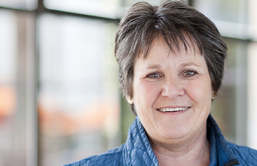
- Colleen Mahoney, founder of A Kid By Nature [photo by Paige Green]
- Rosa Parks kindergarten teacher Kim Beeson
- Rosa Parks kindergarten teacher Kim Beeson works with a student
- Broken toys being repurposed as art
- Eco-art made from broken toys
Get more local news delivered straight to your inbox. Sign up for free Patch newsletters and alerts.