Business & Tech
Jean Franklin Makes Fashion Sustainable, Versatile And Empowering
Inspired by her parents' style in the '60s and '70s, Amanda Singh created a made-to-order sustainable fashion brand right here in LA.




BEVERLY HILLS, CA – The founder of the Los Angeles-based clothing brand Jean Franklin is looking to make a difference. Amanda Singh wants to reduce waste in the fashion industry, empower women, pay her workers fair wages, make clothes for a wide variety of body types and even help the homeless.
Jean Franklin, a combination of Singh's parents' middle names, is a brand that focuses on sustainable fashion by selling vintage clothing and creating made-to-order pieces from deadstock fabric – leftover fabric at textile mills and garment factories that would otherwise go to a landfill – to reduce waste.
Sustainable fashion is important because fashion is one of the industries that's polluting the most and leaving the most damaging effects on the environment, Singh said. In fact, the textile industry emits more green house gas emissions than international shipping and aviation combined, according to a recent report. The amount of waste, along with how much water and resources the fashion industry uses is increasing, so creating clothing that's versatile and high quality is important to her.
Find out what's happening in Beverly Hillsfor free with the latest updates from Patch.
"We’re producing so many materials in an unsustainable way, that it’s having a negative impact on the environment and on people," she said. "Buying less and wearing clothing for longer because it's made to last is important, instead of fast fashion that will fall apart or that you’ll get sick of wearing because it's out of style."
With a degree in writing and a background in marketing, Singh heavily researched sustainable and ethical fashion before starting the brand. Eighty percent of garment workers worldwide are women, she said, and even in the United States and Los Angeles there are women in the industry who aren't paid a fair wage.
Find out what's happening in Beverly Hillsfor free with the latest updates from Patch.
Although she shopped for vintage clothes, sometimes it didn't fit right or wasn't practical for every day wear, she said. She was frustrated because she was also stuck buying fast fashion – cheap clothing that's unethically made – so she could still feel good and be on trend. Eventually, she found that even though she owned all of this "stuff," it wasn't making her feel fulfilled as a person, she said.
"The more digging I did, I realized how much of an issue pollution, waste, and women's rights were in the fashion industry," she said. "I wanted to highlight those issues more and be part of the solution. I realized I could help in a really local way by supporting women in the area by paying them fair wages, sourcing materials locally, and buying deadstock fabric that would have otherwise gone to the landfill."
Her goal of empowering women extends beyond paying her workers fair wages. On her way to pick up new deadstock fabric, she drove through L.A.'s infamous Skid Row and was "sad and overwhelmed" at the amount of homeless people living in that area. In her quest to be part of the solution, Jean Franklin partnered with another independent womenswear designer to donate a portion of their profits to provide reusable menstruation cups to homeless women in L.A.
Another facet of empowering women is acknowledging that everyone is built differently, so Singh's made-to-order model made sense for more than just sustainability.
"Giving pieces to women that are adjustable or expandable is important, and creating pieces that are versatile and can be worn in different seasons means you can buy less and wear it more," she said.
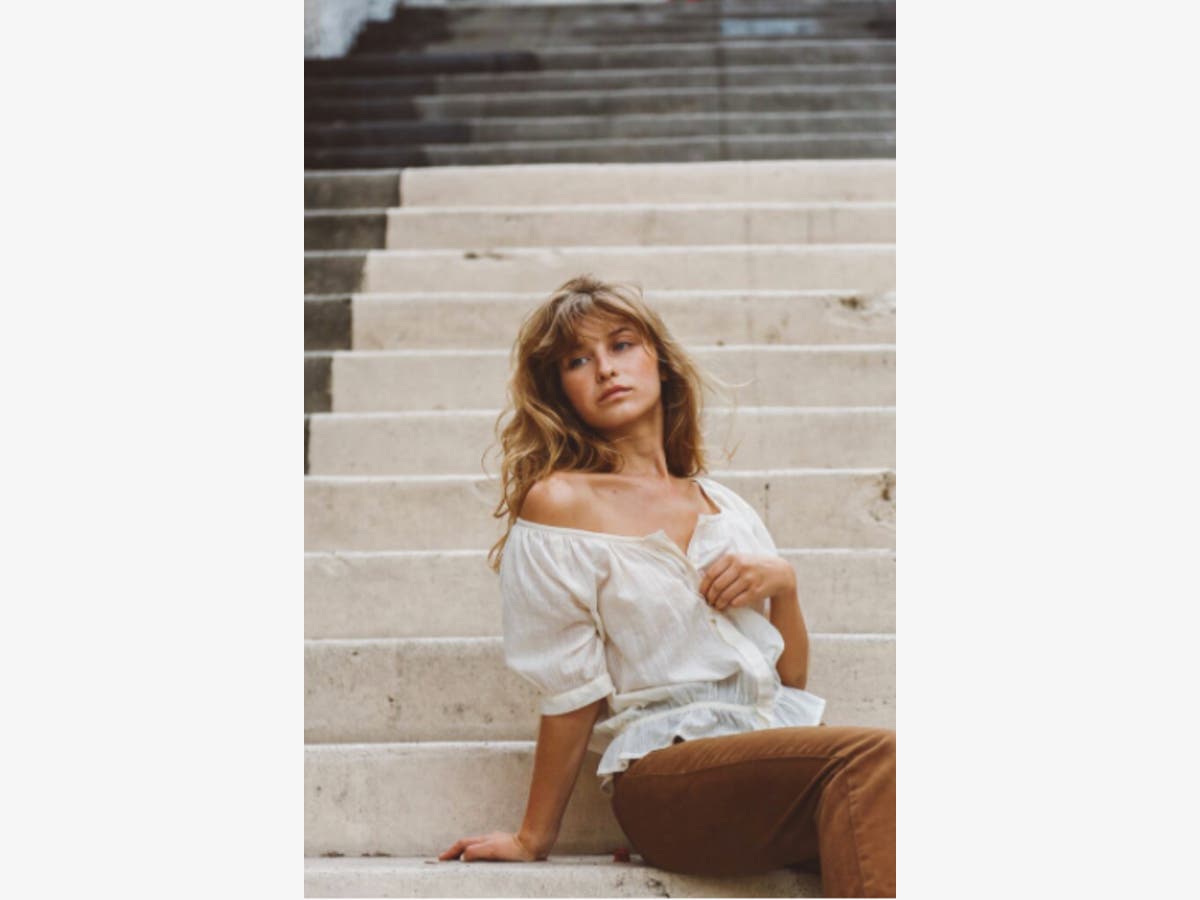
Although the brand was founded on sustainability and the promise to produce less waste, Singh's dreamy designs are timelessly on-trend. The '60s and '70s prints and cuts with a modern twist come from inspiration she draws from her parents – similar to the Jean Franklin name.
Singh looks at old photographs for design inspiration that will either "spur something similar," or spin her design off into a totally different direction, but the inspiration from her parents remains steady. In the event a design doesn't work out, no materials are wasted.
"I always keep the fabric, and there have been a few chances where I've been able to reuse them for a different piece," she said. "Scraps are made for rag rugs, quilts, and other home goods."
To read more information or to shop Jean Franklin, visit their website.
Photos courtesy of Michelle Terris for Jean Franklin
Get more local news delivered straight to your inbox. Sign up for free Patch newsletters and alerts.