Community Corner
Beekeeping Becomes Latest Undertaking By Peninsula Humane Society
The Burlingame-based organization says they have taken up beekeeping to help educate the public about the importance of bees.


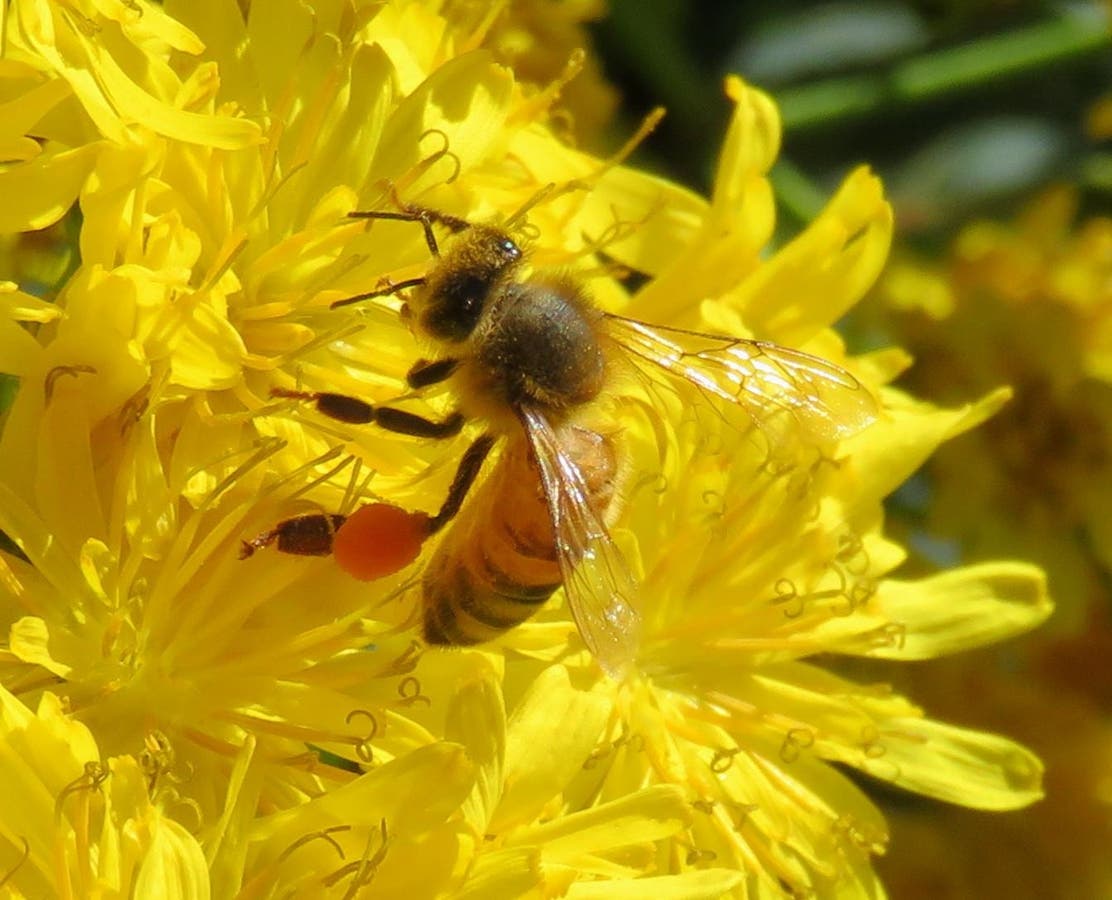
BURLINGAME, CA — Peninsula Humane Society & SPCA (PHS/SPCA) is keeping a honey bee colony at their Tom and Annette Lantos Center for Compassion in Burlingame as way to help educate the public about the necessity of bees.
“For the last three years we’ve kept a honey bee colony at our shelter to illustrate the need for bees and the uphill plight they face attempting to thrive in an environment riddled with pesticides and loss of food sources,” said PHS/SPCA Communications Manager Buffy Martin Tarbox. “Unlike most Humane Society’s, we include all animals in our charitable mission and our educational beehive is a logical extension of our commitment to native wild animals.”
The beehive is kept on the second floor of the Burlingame shelter and is cared for by volunteer beekeeper Steve Nori. The hive box was built by Nori of pine and is constructed with a plastic tube secured to the side of the box that connects to outside of the PHS/SPCA building which serves as a tunnel for the bees to venture outside to gather nectar and pollen to bring back into the hive box.
Find out what's happening in Burlingame-Hillsboroughfor free with the latest updates from Patch.
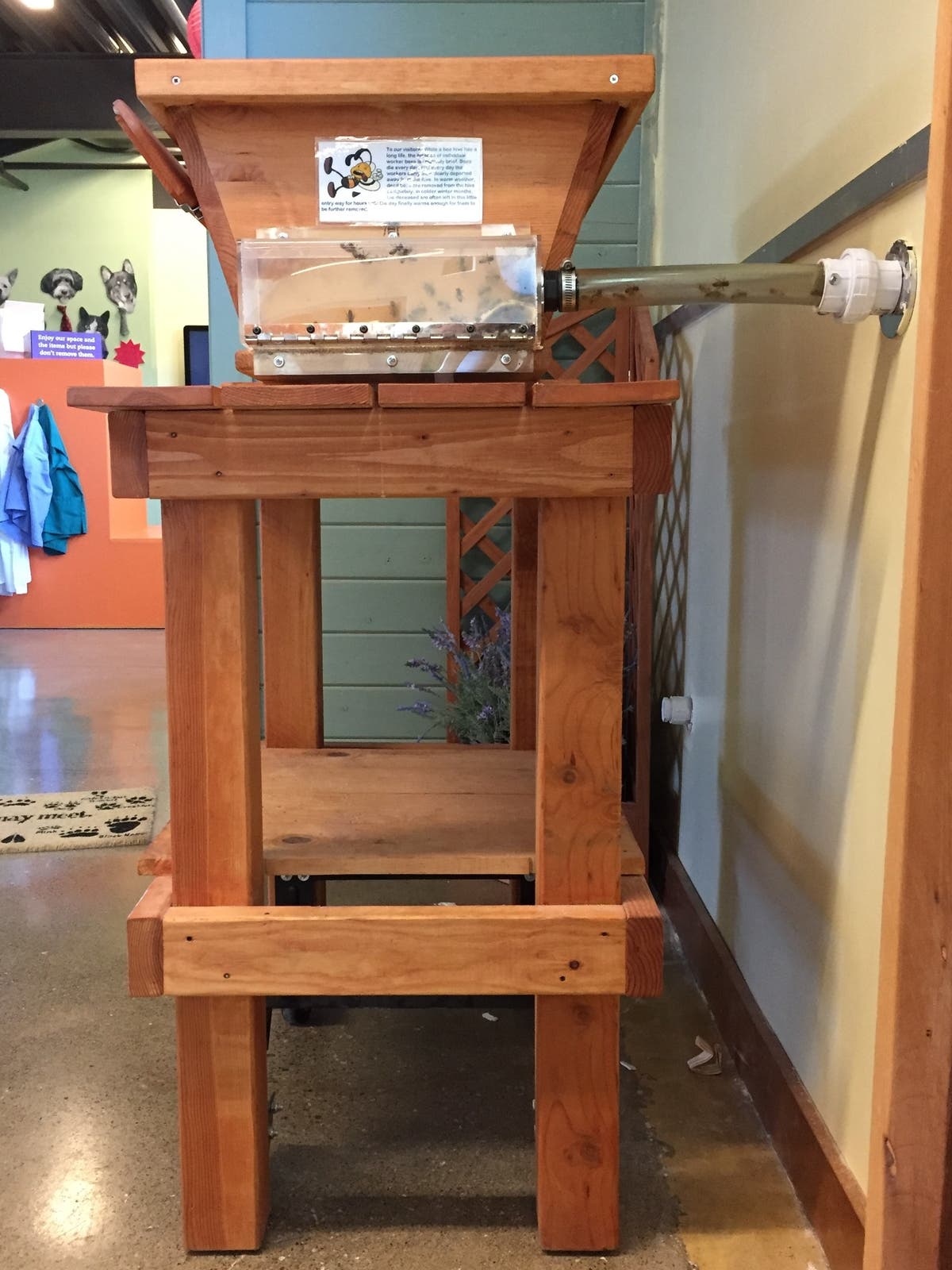
“Our honey bee colony is just one small hive, but we are hoping through education, people will come to see bees not as a nuisance, but necessary partners in our eco-system and food supply,” according to Tarbox.
Honeybee colonies are 90 percent female and consist of a queen, female workers, male drones and developing young bees. The workers have a variety of jobs including tending to the queen, housekeeping, building the honeycomb, guarding the hive and foraging for nectar and pollen.
Find out what's happening in Burlingame-Hillsboroughfor free with the latest updates from Patch.
Bees also have extremely important roles in food supply. More than $15 billion a year in U.S. crops are pollinated by bees. These tiny workers help produce many crops including apples, oranges, lemons, onions, carrots, almonds, cucumbers, avocados, blueberries, and cherries, just to name a few.
“Unfortunately bee colonies are struggling and they need our help. Increased use of pesticides and habitat loss brought about by development are causing grave harm to bees,” said Tarbox. “Planting native flowers and plants and using organic methods of pest control can help bee colonies survive and thrive.”
The PHS/SPCA bee colony can be visited seven days a week during shelter open hours at 1450 Rollins Road in Burlingame.
— SUBMITTED FOR PUBLICATION BY: Peninsula Humane Society & SPCA / Photos attached are of the PHS/SPCA beehive and a honey bee collecting pollen. Photo credit: Buffy Martin Tarbox.
Get more local news delivered straight to your inbox. Sign up for free Patch newsletters and alerts.