Health & Fitness
Keeping Kids Balanced in the Age of Electronics
Get a pediatrician's perspective on the benefits and pitfalls of electronics exposure.
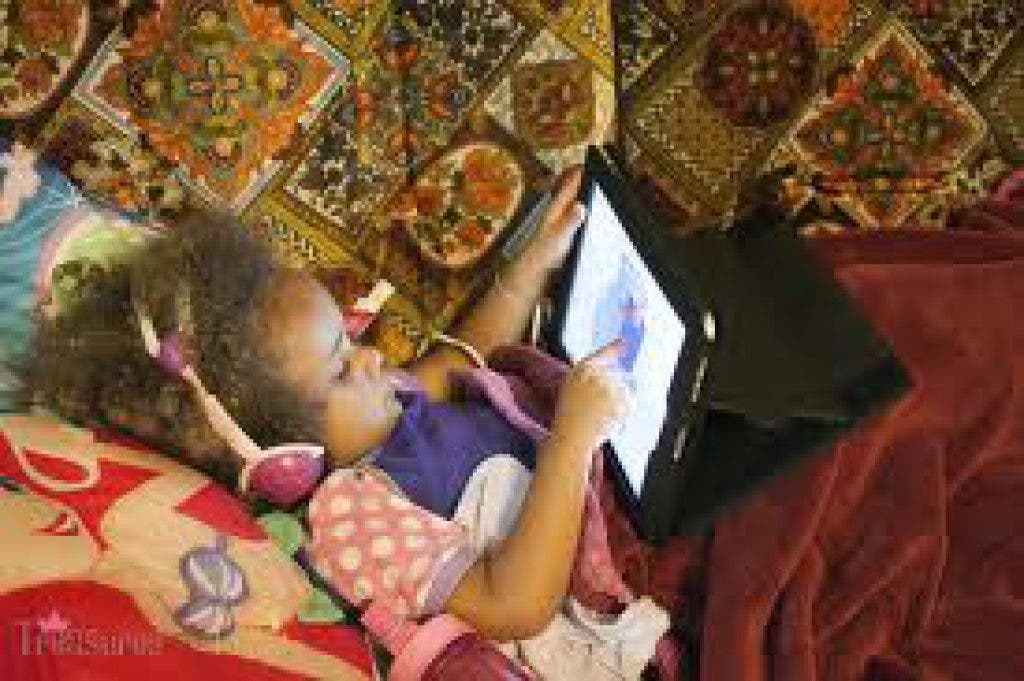
The plethora of media and technology options today dwarfs what was available when I was young. Between TV, MP3 players, video games, computers, cell phones and portable electronic devices, kids’ lives could easily be consumed by electronic devices.
According to a study published by the Kaiser Foundation, kids ages 8 to 18 years old average eight hours of media time every day. I learned about some of the benefits and pitfalls of this exposure from Dr. James Ferrara, a pediatrician at the Palo Alto Medical Foundation (formerly Bay Area Pediatrics) in San Mateo.
Benefits
Find out what's happening in Burlingame-Hillsboroughfor free with the latest updates from Patch.
The entertainment options are varied, and as any parent will tell you, an iPad or laptop is a lifesaver when taking small children on long plane rides. Dr. Ferrara sees other upsides to this media exposure.
“For children, technology is like a second language. They learn how to use it early and are not intimidated by it,” says Dr. Ferrara.
Find out what's happening in Burlingame-Hillsboroughfor free with the latest updates from Patch.
He sees iPads as invaluable for kids with learning disabilities. He thinks that all children can gain computer literacy and stay connected with parent with Skype, email and texting.
Concerns
Lack of physical activity is one of the biggest drawbacks. If your children are watching TV, listening to their MP3 players or on the computer, they are probably not doing anything physically active.
“For many kids, screen time takes the place of physical play,” Dr. Ferrara says. “It can also inhibit smaller children’s ability to participate in imaginative and interactive play.”
While the Internet offers easy access to educational material, it can also expose kids to potentially inappropriate material, online predators and digital bullying.
Dr. Ferrara recommends that parents support kids’ understanding of technology and know what their kids are doing online.
“Children need supervision of their online experience, because often they lack the judgment to filter out inappropriate or erroneous material,” says Dr. Ferrara.
Solutions
The American Academy of Pediatrics recommends limiting screen time to two hours or less every day. How do you do this?
- Schedule time for media and enforce the screen-time limit
- Create a media-free environment for your children to do homework
- Keep all media out of your children's bedrooms
So turn off the electronics and…
- Go ride a bike or scooter or talk a walk
- Play board games or cards
- Take up a new hobby: learn to draw, bead, make model planes or cars
- Go to the library
- Visit local museums or zoos, or
- Volunteer