Health & Fitness
Survivor's Guilt: How an "Airport Shrink" Works With Complicated Grief and the Traumatized
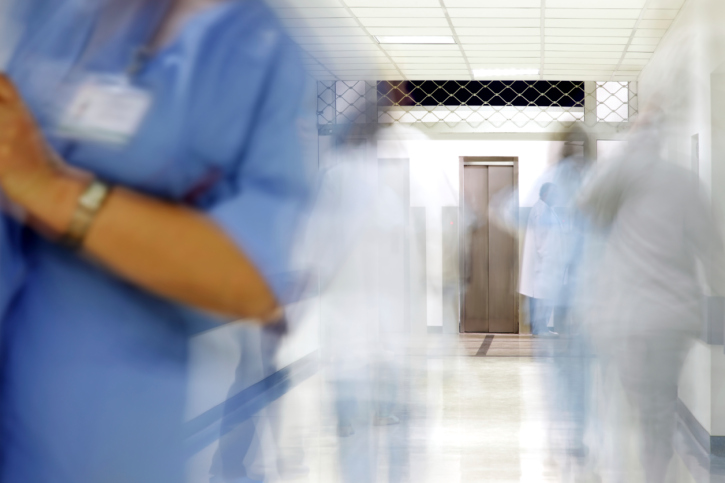
Through a highly staged simulation, emergency responders proved that, once again, they can respond with great efficiency to a Carlsbad Airport air disaster. From the balcony attached to the “big conference room” which is above the terminals my colleagues, the media, professionals from the county of San Diego, and select students from Palomar College got to see the simulated response to an airplane crash with mass casualties. “Victims” were transported to area hospitals to ensure that they too can properly handle a catastrophe of this magnitude. As a therapist I deal with the “emotional carnage” that such a trauma can cause survivors who lose loved ones. I am the “airport’s shrink” and as an observer of the mock drill my mind was focused on looking for the unseen, overlooked or forgotten victims of the “crash.” Those actors who were lucky enough to limp, hobble or crawl away are going to go through “survivor’s guilt.” When a plane crashes killing some passengers the survivors may develop a symptom of Post traumatic Stress Disorder (PTSD) which makes them feel guilty that they were “spared” while others were not. This is known as “survivor’s guilt” and can lead to clinical depression, anxiety, nightmares, and a drop off in work performance, weight loss or gain, suicidal ideation, drug or alcohol abuse, and problems with interpersonal dynamics — especially in close personal relationships. It is important that an expert who is qualified to deal with grief and complicated grief intervenes before these symptoms coalesce into the constellation known as PTSD—or even Post Traumatic Panic Disorder (PTPD). A person’s ability to control his or her environment needs to be restored so the sufferer can progress through the stages of grief to restore a healthy enthusiasm for life. The work I do with traumatized clients aims to restore their ability to successfully negotiate life’s messy details on life’s terms. We all go through unpleasant things from time to time—and some suffer more than others in the process, indeed. However, we can all benefit from compassion, space, and the necessary coping tools that restore our equilibrium when we are off balance. I hope there is never the kind of catastrophe at the Carlsbad Airport that emergency responders practiced for today (and practice for every three years). I hope that all flights take off and land safely and that all passengers arrive at their destinations in good health and with a sound mind. With that said, I take comfort in knowing how prepared our police and fire departments, and local hospital emergency staff are in the event of an air disaster. In the mean time, I am very proud to be a member of the McClellan-Palomar Airport family and a resident of Carlsbad.