Politics & Government
Less Children in L.A. County Drinking Sugary Drinks, Study Finds
According to the study, the percentage of county children who drank one or more sugary beverages daily dropped from 43.3 percent in 2007 to 38.3 percent in 2011.


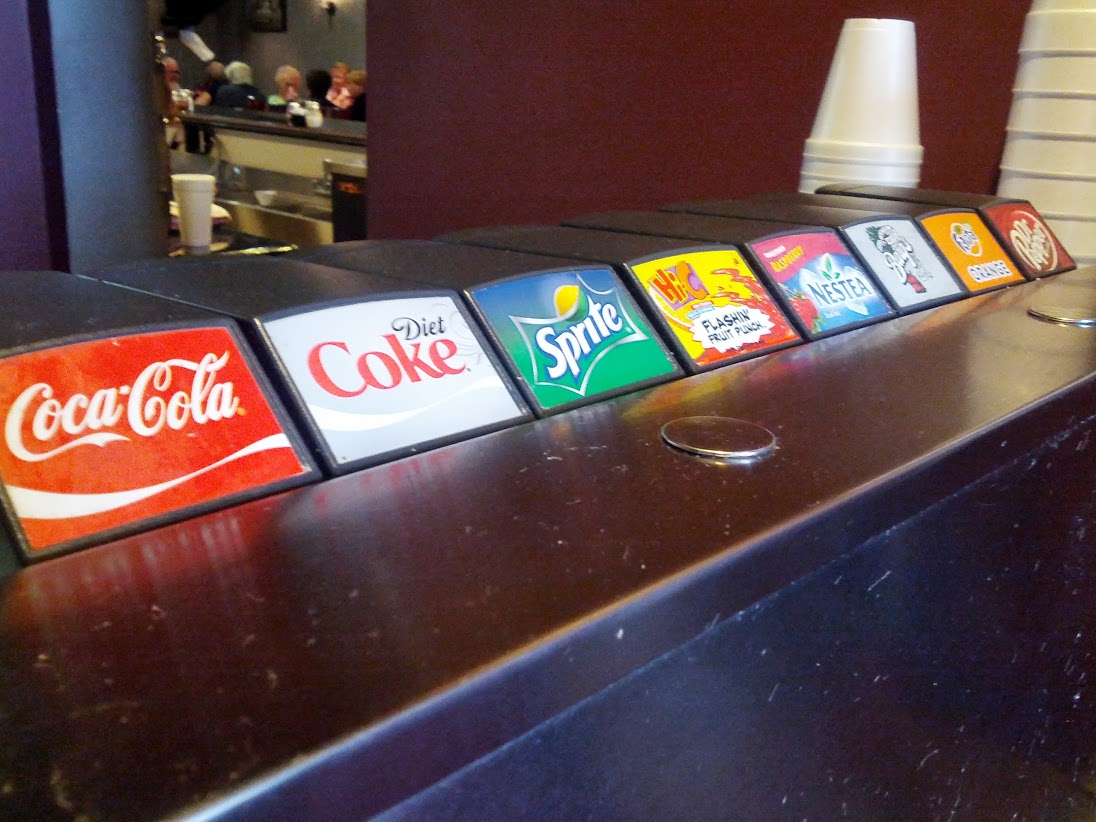
The percentage of Los Angeles County children who consumed at least one sugar-sweetened drink each day dropped between 2007 and 2011, but was still high enough to be a concern in the fight against childhood obesity, according to a report released Monday by the county Department of Public Health.
According to the study done by the U.S. Centers for Disease Control, the percentage of county children who drank one or more sugary beverages daily dropped from 43.3 percent in 2007 to 38.3 percent in 2011. The percentage was highest among kids and teens aged 12 to 17, and lowest among those aged 5 or younger.
Latino and black children were more likely to have a daily sugary drink than white and Asian/Pacific Islanders, the study found.
Find out what's happening in Claremont-La Vernefor free with the latest updates from Patch.
"While the slight decline in consumption demonstrates that we're going in the right direction, there is still significant work to be done when more than one in three of our children is drinking a sugary drink every day, and more than one in five children is obese," according to Dr. Jonathan Fielding, director of the county Department of Public Health.
Fielding noted that obesity rates have increased over the past three decades in tandem with growing consumption of sodas and sports and energy drinks.
Find out what's happening in Claremont-La Vernefor free with the latest updates from Patch.
The drop in consumption can likely be attributed in part to 2007 legislation restricting the sale of sugary drinks on school campuses, along with a variety of public education campaigns, according to the county health department.
"Community education, accompanied by environmental strategies to reduce demand for sugary drinks, including interventions in schools and child-care settings, are likely to have the greatest effect, as are efforts to counter the influence of beverage industry marketing practices," Fielding said.
Here are some of the efforts the public health department has made over the past several years, along with other national, state and local efforts:
Over the past several years, national, State, and local efforts have included:
- California enacted legislation in 2007 to prohibit the sale of most sugar-sweetened beverages on school campuses. In LA County, this policy was accompanied by intensive education on sugary drinks in schools, preschools, childcare sites, and other community settings.
- The "Rethink Your Drink" public education campaign launched in 2009 and encouraged individuals to be more aware of nutrition facts labels and the calories consumed from sugar-sweetened beverages.
- The Nutrition Program for Women, Infants, and Children (WIC), which serves more than 50% of children younger than 5 years of age in the county, has provided intensive bilingual education on sugary drinks since 2007.
- In 2012, Los Angeles County Department of Public Health began a "Sugar Pack" public education campaign, asking residents "You Wouldn't Eat 22 Packs of Sugar, Why Are You Drinking Them?" that includes an online Sugar Calculator that allows residents to learn how many packs and pounds of sugar they consume in sugary drinks each week, as well as how much these drinks cost over time.
- Additionally, Los Angeles County Department of Public Health is working closely with childcare providers, schools, cities and employers to increase access to healthy foods and beverages in high-need communities.
– City News Service contributed to this report.
Get more local news delivered straight to your inbox. Sign up for free Patch newsletters and alerts.