Community Corner
Contra Costa City First To Halt Data Centers: Report
Oakley first Bay Area city to block AI-driven data centers but officials give a green light to converting farmland for industrial project.


CONTRA COSTA COUNTY, CA — City leaders slammed the brakes on one of California’s fastest-growing industries, extending a moratorium on data centers after mounting fears that artificial intelligence infrastructure could drain local water supplies, overload the power grid and transform the rural edge of eastern Contra Costa County.
A unanimous vote by Oakley city councilmembers put the town at the center of a widening fight over the environmental cost of the AI boom and makes it the first in the Bay Area to formally freeze new data center proposals while officials craft permanent zoning rules.
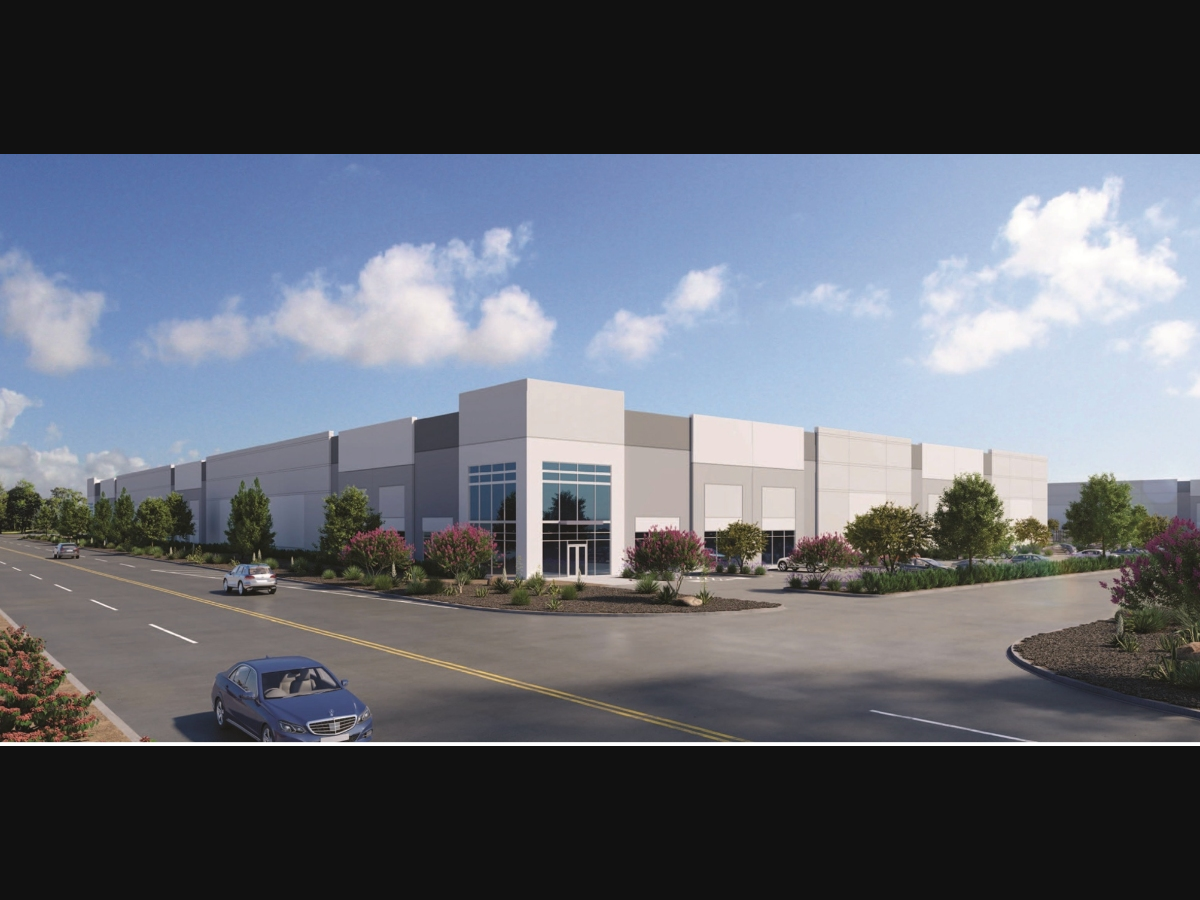
The decision followed months of backlash tied to the proposed 164-acre Bridgehead Industrial Project, a sprawling development planned near the San Joaquin Delta in northwest Oakley, according to reports.
Find out what's happening in Concordfor free with the latest updates from Patch.
Developers stripped data centers entirely from the project in March after residents and environmental advocates warned the facilities would consume enormous amounts of electricity and water.
Instead, the Oakley City Council approved the site for warehouses and logistics uses, according to reports.
Find out what's happening in Concordfor free with the latest updates from Patch.
The Bridgehead property sits beside single-family neighborhoods and borders Big Break Regional Shoreline Park. The land, currently planted with vineyards owned by vintner Fred Cline and Oxfoot Oakley LLC, is expected to be cleared for redevelopment. The family has said the vines have reached the end of their productive lifespan, according to reports.
Council members first enacted a 45-day emergency pause in April, blocking the city from accepting or processing land-use applications connected to data centers.
Tuesday’s action stretches that ban for nearly a year as planners study how the facilities could affect Oakley’s infrastructure, land use and environmental resources, according to reports.
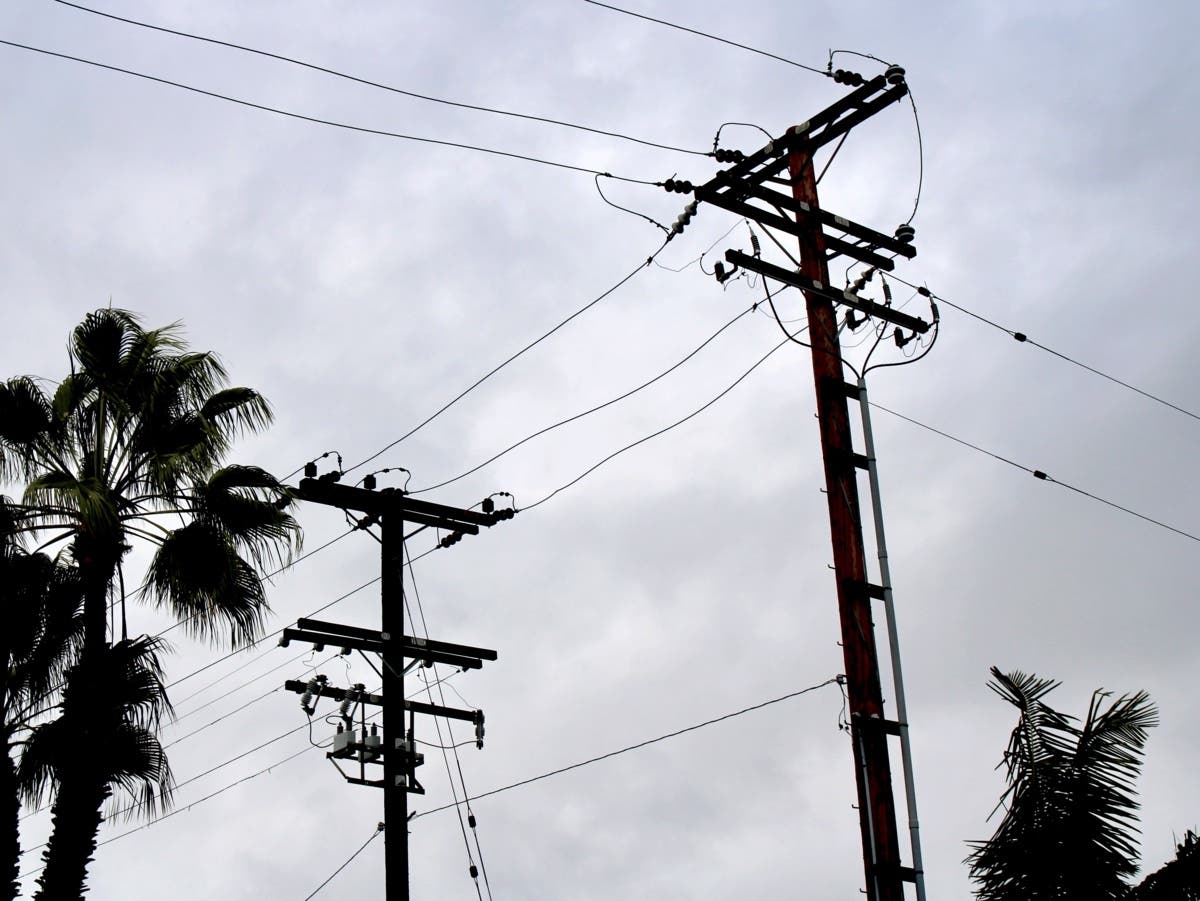
The move reflects growing unease across California as cities confront the demands of AI-powered server farms, which require massive cooling systems and round-the-clock electricity to run advanced computing operations.
Oakley’s decision could now ripple across other Bay Area communities facing similar proposals as local governments begin questioning whether the economic promise of AI infrastructure outweighs the strain such projects place on water supplies, electrical systems, and surrounding neighborhoods.
Get more local news delivered straight to your inbox. Sign up for free Patch newsletters and alerts.