Health & Fitness
BLOG: Campaign Spending and What Really Matters
The Davis Enterprise just released the latest Davis School Board campaign spending figures. I decided to take stock of how far the campaign has come.
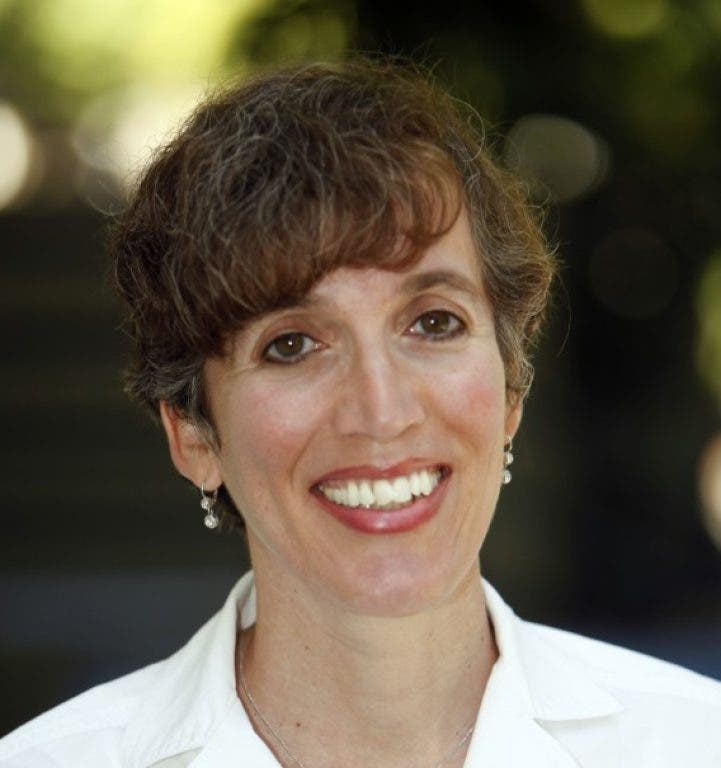


NOTE: Patch blogs are opinion pieces by local writers. Click here to blog on Patch or share your thoughts in the comments below.
Now that the campaign is in the last week, and the Davis Enterprise just released the latest Davis School Board campaign spending figures, I decided to take stock of how far the campaign has come.
I have 106 “likes” on my Facebook page, compared to 96 for Alan Fernandes, 70 for Susan Lovenburg, and 113 for Nancy Peterson. (Jose Granda isn’t using Facebook for his campaign).
Find out what's happening in Davisfor free with the latest updates from Patch.
Given that I’ve spent about $300 dollars on my campaign (leaving out the fee for the county’s voter guide), compared to $19,000 for candidates Fernandes and Ms. Peterson, $15,000 for candidate Lovenburg, and $3,000 for candidate Granda, I’d have to say that I know how to stretch a dollar better than anyone else in this campaign! It is quite interesting that the two people who have had the most experience actually doing teaching in classrooms are the ones who have spent by far the least in this election, but that’s another story.
What really matters, though, is how much each candidate spends overall, and how that translates to votes. There’s no way to know before the election what the real cost of getting elected is going to be, but I’d like to propose one way of thinking about it for the benefit of future candidacies and candidates. We’ll use the last Davis City Council election results as an example.
Find out what's happening in Davisfor free with the latest updates from Patch.
The top three vote-getters in the City Council race got 8,708, 5,827, and 5,368 votes and got elected. Not far behind were candidates with 5,138 and 4,880 votes.
If we consider what has been spent in the School Board race through October 20 as corresponding to these votes, then that would work out to about $2.66 per vote for the three winners. Right? Not exactly. Because let’s say I was the person in 4th pace with 5,138 votes. Now a completely different story emerges, because each vote would have cost me only about six cents. OK, so we’ve established that I get the most votes for my money.
So what? So this: what it really means is that I would have gotten over 5,000 votes by doing nothing more than talking about the issues, no matter how controversial, and doing everything I can to get voters to talk about them in a public setting.
Think about that: most of the voters couldn’t care less about lawn signs, glossy mailers sent to every address in the district, endorsements from public figures, and whatever else all that campaign money buys. They want issues, and they want someone bold enough to talk about them even at the risk of creating controversy and losing support.
So what do those expenditures north of $15,000 (by October 20; by now, a week away from the election, they are probably a lot more) really buy? Let’s subtract off my 5,138 votes from the three winners. That leaves 3,570, 689, and 230 votes, respectively. That’s what those expenditures really bought: from $5.32 per vote for the top candidate to $65 per vote for the third-place candidate (which was still elected to the City Council). That’s what it would really cost per vote to get elected.
Now I hope you can see where I’m headed. Although the numbers above are based on real votes and expenditures in Davis, I can’t predict who is going to get how many votes.
But think of how little those campaign expenditures really buy. We’re already above $50,000 to buy little more than paper and plastic disguised as lawn signs and mailers destined for landfill.
That money could have fed countless families through Davis Community Meals, or provided clothing and presents for innumerable Yolo County families in need through STEAC. So the next time you want to donate to someone’s campaign, please think twice, and consider directing it instead to an organization that can use it to really do some good.
You wouldn’t sell your vote, so don’t let a candidate use your money to buy someone else’s.